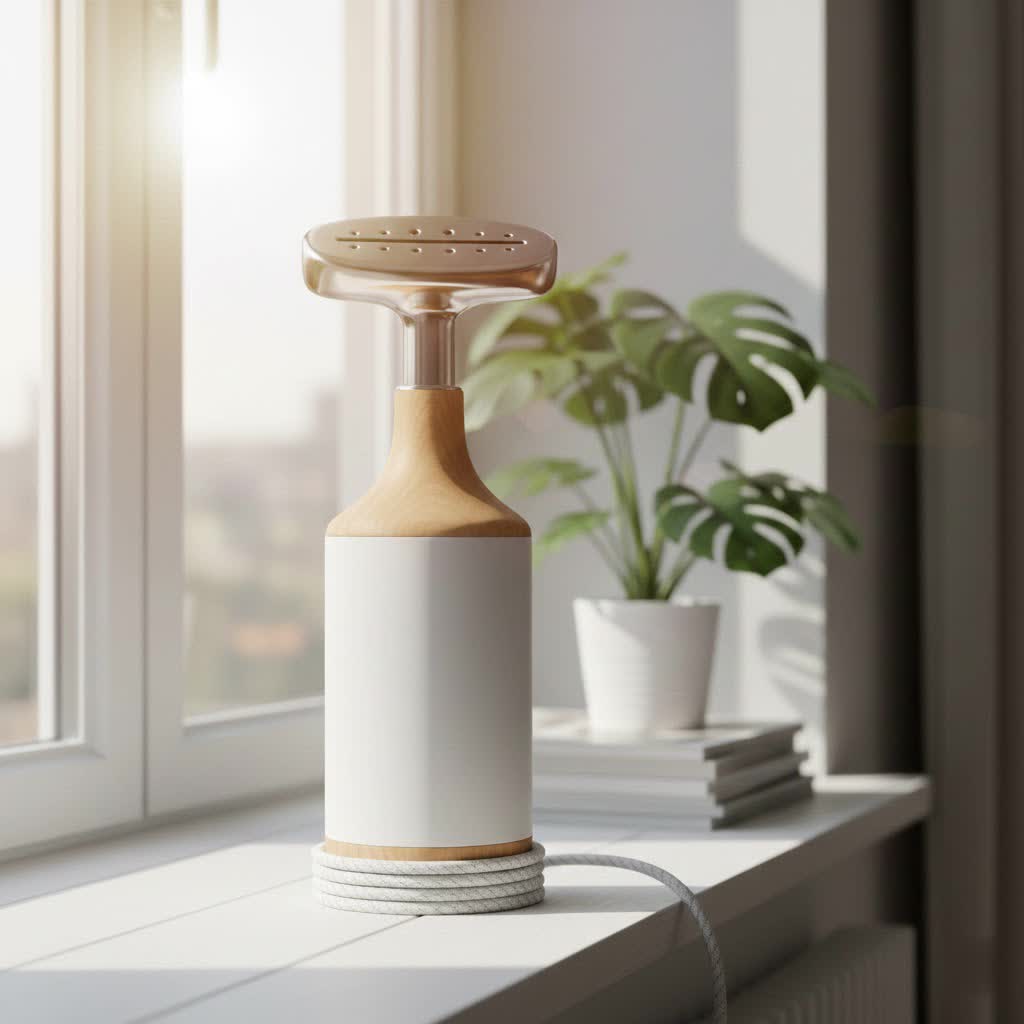
Maintaining a polished appearance while on the go can be a challenge, especially when faced with wrinkled clothes pulled straight from a suitcase. From my decade of experience specializing in garment steamers, I’ve witnessed firsthand how these devices have revolutionized portable garment care, transforming from bulky, inefficient machines into sleek, powerful companions for any traveler. This guide aims to demystify Travel Garment Steamers, helping you understand their benefits, key features, and how to use them to keep your wardrobe impeccably fresh, no matter your destination.
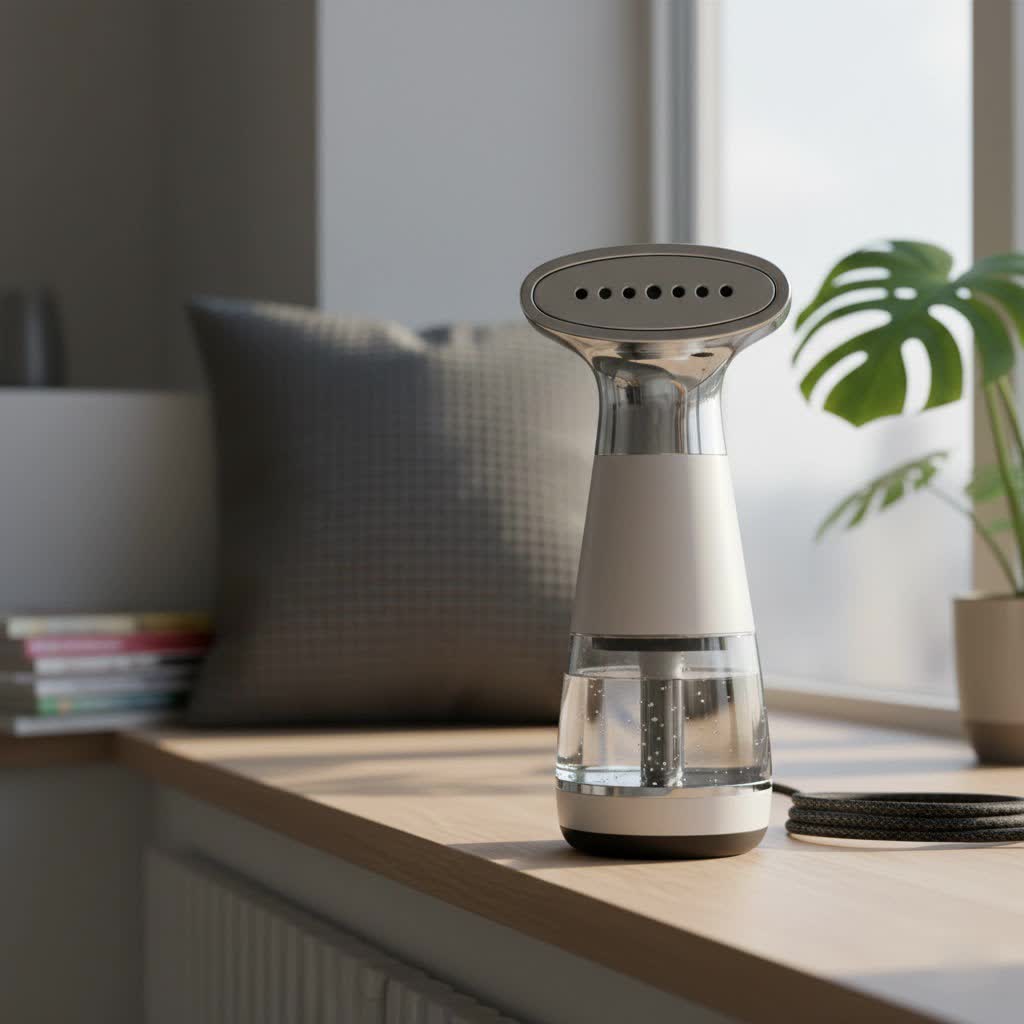
The Undeniable Advantages of a Travel Garment Steamer
A travel garment steamer isn’t just a luxury; it’s a practical essential that offers significant benefits over traditional ironing, especially when you’re away from home.
- Speed and Convenience: Unlike irons that require an ironing board and a heating-up period, most travel steamers are ready in seconds, offering quick wrinkle removal without the fuss. This is perfect for last-minute touch-ups before a meeting or dinner.
- Fabric Protection: Steamers are incredibly gentle on fabrics. The moist heat relaxes fibers, effectively removing wrinkles without the risk of scorching, shine marks, or damaging delicate materials like silk, chiffon, and even embellished garments, which can be prone to damage with direct iron heat.
- Odor Elimination and Sanitization: The hot steam not only smooths wrinkles but also penetrates fabric fibers to kill odor-causing bacteria and refresh clothes. This is particularly useful for items that have been packed for a while or worn briefly and need a quick refresh before another wear.
- Versatility for Various Garments: From delicate blouses and tailored jackets to casual t-shirts and even curtains, a travel steamer can tackle almost any fabric type, offering a versatile solution for your entire travel wardrobe.
|
Our Picks for the Best Garment Steamer in 2026
We may earn a commission when you use one of our links to make a purchase.
|
||
| Num | Product | Action |
|---|---|---|
| 1 | Jack & Rose Travel Steamer for Clothes,100-220V Portable Iron,15s Heat Up,Steamer & Iron 2 In 1, Travel Size,Large Ceramic Heat Panel,for Global and Europe |

|
| 2 | HiLIFE Upgraded Steamer for Clothes, Handheld Portable Design, 1100W Powerful Steam, 300ml Larger Tank & No Leak Design, 30S Fast Heat-up, Quick Wrinkle Remover, Compact Size for Travel, ONLY 120V |
|
| 3 | Conair Turbo Extreme Steam Hand Held Fabric Steamer, GS59X, 1875W, 15 min, 7.3 oz, White/Champagne |
|
| 4 | Conair Handheld Garment Steamer for Clothes, Turbo ExtremeSteam 1875W Fabric Clothes Steamer, Portable Handheld Design, Strong Penetrating Steam, Blue |
|
| 5 | Rowenta Handheld Steamer for Clothes, Pure Force 2in1 Steamer & Iron, 1875W, Vertical/Horizonal Steaming & Ironing, Lightweight, Auto-off, XL power, 1875 Watts, DR8822 |
|
| 6 | HiLIFE Steamer for Clothes, Portable Handheld Clothing Steamer, 240ml Big Capacity, 700W, Strong Power, Fabric Quick Wrinkle Remover with Brush for Home, Office, Travel (ONLY 120V) -Blue |
|
| 7 | Riakrum Over-the-door Steaming Station 38" x 19" Clothes Steamer Station with Ironing Glove 100% Cotton Cover with an Aluminum Vapor Protection Layer for Home and Travel Use |
|
| 8 | OGHom Steamer for Clothes, Handheld Clothing Steamer for Garment, 240ml Big Capacity 700W Portable Travel Steam Iron (Blue) |
|
| 9 | Conair Handheld Garment Steamer for Clothes, Turbo ExtremeSteam 1875W Fabric Steamer, Portable Handheld Design, Strong Penetrating Steam, Amazon Exclusive, Black |
|
| 10 | Steamer for Clothes, 2-in-1 Portable Handheld Travel Steamer & Steam Iron, 1200W Powerful Wrinkle Remover, Smart Steam with 4 Modes, 10-Second Heat-Up, Perfect for Home & Travel. |
|
Understanding Travel Garment Steamer Types
While the market offers various garment steamer types, travel needs specifically highlight the handheld category.
-
Handheld Travel Steamers: These are the quintessential travel companions. Designed for portability, they are compact, lightweight, and often feature foldable handles for easy packing into luggage.
- Pros: Highly portable, quick heat-up, easy to store, generally more affordable.
- Cons: Smaller water tanks require more frequent refills, may have less continuous steam time compared to upright models.
- Ideal for: Frequent travelers, quick touch-ups, small apartments, and those who prioritize portability.
-
Upright (Full-Size) Garment Steamers: While offering larger water tanks, stronger steam output, and extended steaming times, these are typically too cumbersome for travel. They provide context for why handheld options are specifically designed for portability.
Essential Features: Your Buying Guide to Travel Garment Steamers
Choosing the right travel garment steamer means balancing portability with performance. Here’s what to look for:
- Portability and Design: The primary consideration for a travel steamer. Look for models that are:
- Compact and Lightweight: Easy to fit into carry-on luggage or backpacks.
- Foldable Handle: A common feature that significantly reduces the steamer’s footprint for packing.
- Ergonomic Grip: Comfortable to hold and maneuver for extended steaming sessions.
- Power (Wattage) and Heat-Up Time: Higher wattage typically means faster heat-up times and stronger, more consistent steam output. For travel, a wattage between 1000-1500W usually strikes a good balance between performance and portability. A steamer that heats up in 25-45 seconds is ideal for quick use.
- Water Tank Capacity and Continuous Steam Time: Travel steamers have smaller tanks, ranging from 3 to 7 ounces. This affects how long you can steam before refilling. A larger tank offers longer continuous steam (e.g., 10-15 minutes), which might be beneficial if you plan to steam multiple items. Smaller tanks are lighter but require more frequent refills.
- Dual Voltage Capability: Absolutely crucial for international travelers. Most North American devices operate on 120 volts, while many other parts of the world use 220-240 volts. A dual-voltage steamer automatically adjusts to the local voltage, requiring only a simple plug adapter. Without dual voltage, you risk damaging the steamer or creating a safety hazard abroad.
- Leak-Proof Design: One of the most common frustrations with travel steamers is spitting or leaking water, which can stain clothes. Look for models specifically advertised as leak-proof or designed to operate at various angles without dripping.
- Steam Output and Settings: Consistent steam flow is key to effective wrinkle removal. Some steamers offer multiple steam settings (e.g., for delicate fabrics vs. heavy cotton), providing greater control and versatility.
- Safety Features: An automatic shut-off feature provides peace of mind, turning off the steamer if it runs out of water or overheats.
- Accessories: Useful attachments include fabric brushes (to help loosen fibers and remove lint), creaser tools for sharp lines, and heat-resistant travel pouches for immediate packing after use.
Mastering Your Travel Garment Steamer: A Step-by-Step Guide
Using a travel garment steamer correctly ensures the best results and prolongs the life of your device.
-
Preparation is Key:
- Water Choice: Always use distilled water. This prevents mineral buildup, which can cause spitting, white mineral deposits on your clothes, and damage your steamer over time.
- Filling the Tank: Fill the water tank to the indicated maximum line, ensuring the cap is securely sealed to prevent leaks.
- Garment Hanging: Hang your garment on a hanger. For best results, hang it on a door, shower rod, or garment rack where you can easily access all sides and pull the fabric taut.
-
The Art of Steaming:
- Heat-Up: Plug in your steamer and allow it to fully heat up until a consistent stream of steam is produced. This usually takes less than a minute for travel models.
- Technique: Hold the steamer head a few inches from the fabric. Gently pull the bottom of the garment taut with your free hand. Move the steamer in slow, vertical strokes, from top to bottom. Allow the steam to penetrate the fibers and relax the wrinkles.
- Steaming Both Sides: For heavier fabrics, steaming both the inside and outside of the garment can be more effective.
- Delicate Fabrics: For very delicate materials like silk, chiffon, or velvet, hold the steamer 1-2 inches away from the fabric or steam from the inside to avoid direct contact with steam, ensuring gentle wrinkle removal.
-
Post-Steaming Care:
- Cool Down: Once steamed, allow the garment to cool and air dry completely for 5-10 minutes while still hanging. This helps the fibers set in their new, smooth state and prevents new wrinkles from forming if packed immediately.
- Empty and Store: After each use, empty any remaining water from the tank to prevent mineral buildup and mold growth. Allow the steamer to cool completely before storing it, ideally in its travel pouch.
Troubleshooting Common Travel Steamer Issues
Even the best travel steamers can encounter minor glitches. Here’s how to address them:
- No Steam or Weak Steam:
- Check Water Level: Ensure the tank has sufficient water.
- Allow Full Heat-Up: Make sure the steamer has reached its operating temperature. A light indicator usually confirms this.
- Mineral Buildup: If using tap water, mineral deposits can clog the steamer. Regular descaling or switching to distilled water can resolve this.
- Water Leaking or Spitting:
- Overfilling: Avoid exceeding the maximum fill line.
- Not Hot Enough: Steamers can spit water if they haven’t fully heated up. Wait for the indicator light to show it’s ready.
- Tilting: Some non-leak-proof models may drip if tilted excessively. Keep the steamer upright as much as possible.
- Fabric Remaining Damp:
- Too Close: Holding the steamer too close to the fabric can oversaturate it. Maintain a slight distance.
- Insufficient Drying: Allow garments ample time to cool and air dry after steaming.
Prioritizing Safety When Using Your Travel Steamer
Safety is paramount with any electrical appliance, especially one that uses hot steam.
- Keep Upright: Always keep the steamer upright to prevent water leakage and ensure proper steam generation.
- Away From Skin: Never direct steam at yourself or others, as it can cause burns.
- Children and Pets: Keep the steamer out of reach of children and pets.
- Water and Electricity: Do not use the steamer near water sources like sinks or bathtubs.
- Unplug After Use: Always unplug the steamer when you’re finished or when refilling the water tank. Never leave it unattended while plugged in.
- Do Not Overfill: Overfilling can lead to leaks and poor performance.
In essence, a travel garment steamer is a game-changer for maintaining a polished wardrobe on any trip. From its gentle effectiveness on delicate fabrics to its quick de-wrinkling power, it offers unmatched convenience. By understanding its features and following proper usage and safety guidelines, you can ensure your clothes always look their best, allowing you to focus on enjoying your travels with confidence.
Frequently Asked Questions
Can a travel steamer completely replace an iron?
While travel steamers are excellent for quickly removing wrinkles and are gentler on most fabrics, they generally cannot achieve the crisp, sharp creases that a traditional iron can, especially on heavy cottons or linens. They are best for freshening, de-wrinkling, and delicate items.
What kind of water should I use in my travel garment steamer?
Always use distilled water. Tap water contains minerals that can build up inside the steamer, leading to clogs, spitting, and white mineral deposits on your clothes, ultimately shortening the lifespan of your appliance.
How long does it take to steam a garment with a travel steamer?
Most travel steamers heat up in 25-45 seconds. Steaming a single garment usually takes 2-5 minutes, depending on the fabric type and the severity of the wrinkles.
Are travel steamers safe for all fabrics?
Travel steamers are safe for almost all fabrics, including delicate materials like silk, satin, wool, and synthetics, as the steam is less harsh than direct heat from an iron. However, always check the garment care label, and for very delicate items, steam from a slight distance or from the inside of the garment.
What does dual voltage mean for a travel steamer?
Dual voltage means the steamer can automatically adapt to different electrical voltages found in various countries (e.g., 120V in North America, 220-240V in Europe and Asia). This is essential for international travel, as it allows you to use your steamer safely with just a plug adapter, without needing a voltage converter.