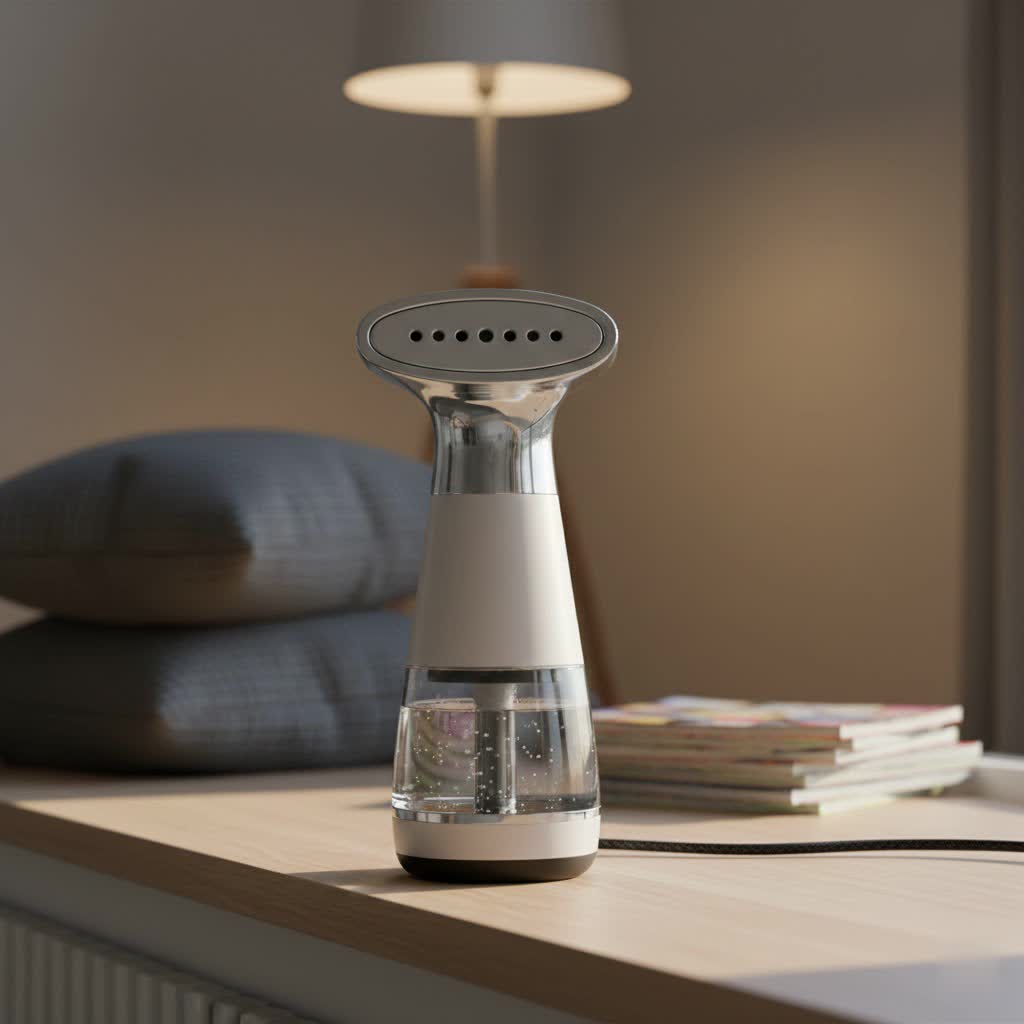
A garment steamer is a revolutionary tool that transforms clothing care by offering a faster, gentler, and more convenient way to achieve a perfectly polished look compared to traditional ironing. These devices quickly relax fabric fibers and smooth out creases using hot steam, making them ideal for delicate materials like silk, satin, chiffon, and wool, which irons might damage. Modern garment steamers range from compact handheld models, ready in 30-60 seconds, to powerful upright units with larger water tanks for extended use.
The Unmatched Benefits of a Steam Garment Steamer
Why are so many people making the switch to steam? The advantages of using a garment steamer over traditional ironing are compelling and diverse, catering to a range of fabric care needs and time constraints.
Faster and More Convenient
One of the most immediate benefits of a garment steamer is its speed and ease of use. Forget the cumbersome ironing board and the precise movements required with an iron. With a steamer, you simply hang your garment and let the hot steam do the work, quickly relaxing fabric fibers and smoothing out creases. This makes it perfect for those rushed mornings or last-minute outfit touch-ups.
Gentle on Delicate Fabrics
Steamers are inherently gentler on fabrics than irons, which apply direct heat and pressure. This makes them ideal for delicate materials like silk, satin, chiffon, lace, wool, and cashmere, where an iron might cause scorching, shine marks, or even permanent damage. The steam penetrates the fibers, releasing wrinkles without direct contact, preserving the integrity and texture of your clothing.
Beyond Wrinkles: Refreshing and Sanitizing
A garment steamer does more than just remove wrinkles. The hot steam helps to refresh fabrics by neutralizing odors, making it perfect for clothes that aren’t quite ready for a full wash but need a little revitalization. The high temperature of the steam can kill up to 99.9% of germs and bacteria, providing a sanitizing effect on clothes, upholstery, curtains, and even bedding.
No Ironing Board Required
The freedom from an ironing board is a significant perk. Garment steamers can be used on hanging clothes, drapes, or anything else that can be suspended, saving space and simplifying your routine. This convenience is particularly valuable for smaller living spaces or when traveling.
Exploring the Different Types of Garment Steamers
The market offers a variety of steam garment steamers, each designed with specific uses and user preferences in mind. Understanding the differences will help you choose the best fit.
Handheld Garment Steamers
|
Our Picks for the Best Garment Steamer in 2026
As an Amazon Associate I earn from qualifying purchases.
|
||
| Num | Product | Action |
|---|---|---|
| 1 | Conair Handheld Garment Steamer for Clothes, Turbo ExtremeSteam 1875W Fabric Clothes Steamer, Portable Handheld Design, Strong Penetrating Steam, Blue |

|
| 2 | Steamer for Clothes, 2-in-1 Portable Handheld Travel Steamer & Steam Iron, 1200W Powerful Wrinkle Remover, Smart Steam with 4 Modes, 10-Second Heat-Up, Perfect for Home & Travel. |
|
| 3 | HiLIFE Steamer for Clothes, Portable Handheld Clothing Steamer, 240ml Big Capacity, 700W, Strong Power, Fabric Quick Wrinkle Remover with Brush for Home, Office, Travel (ONLY 120V) -Blue |
|
| 4 | Conair Handheld Garment Steamer for Clothes, Turbo ExtremeSteam 1875W Fabric Steamer, Portable Handheld Design, Strong Penetrating Steam, Amazon Exclusive, Black |
|
| 5 | Rowenta Handheld Steamer for Clothes, Pure Force 2in1 Steamer & Iron, 1875W, Vertical/Horizonal Steaming & Ironing, Lightweight, Auto-off, XL power, 1875 Watts, DR8822 |
|
| 6 | Jack & Rose Travel Steamer for Clothes,100-220V Portable Iron,15s Heat Up,Steamer & Iron 2 In 1, Travel Size,Large Ceramic Heat Panel,for Global and Europe |
|
| 7 | Riakrum Over-the-door Steaming Station 38" x 19" Clothes Steamer Station with Ironing Glove 100% Cotton Cover with an Aluminum Vapor Protection Layer for Home and Travel Use |
|
| 8 | Conair Turbo Extreme Steam Hand Held Fabric Steamer, GS59X, 1875W, 15 min, 7.3 oz, White/Champagne |
|
| 9 | HiLIFE Upgraded Steamer for Clothes, Handheld Portable Design, 1100W Powerful Steam, 300ml Larger Tank & No Leak Design, 30S Fast Heat-up, Quick Wrinkle Remover, Compact Size for Travel, ONLY 120V |
|
| 10 | OGHom Steamer for Clothes, Handheld Clothing Steamer for Garment, 240ml Big Capacity 700W Portable Travel Steam Iron (Blue) |
|
These compact and lightweight devices are the most popular choice for quick touch-ups and portability.
- Pros: Highly portable, fast heat-up times (often under a minute), easy to store, generally more affordable.
- Cons: Smaller water tanks mean shorter continuous steaming times, less powerful steam output compared to upright models.
- Ideal for: Travelers, individuals with limited storage, quick wrinkle removal on a few items, and delicate fabrics.
Upright (Standing/Vertical) Garment Steamers
Also known as full-size steamers, these models offer greater power and capacity for more extensive steaming tasks.
- Pros: Larger water tanks for longer steaming sessions (30+ minutes), powerful and continuous steam output, often include integrated hangers and garment poles.
- Cons: Less portable, require more storage space, typically take longer to heat up (3-5 minutes), higher price point.
- Ideal for: Households with large wardrobes, frequent steaming needs, heavy fabrics like drapes and upholstery, or light commercial use.
Travel Garment Steamers
A subset of handheld steamers, these are specifically designed for life on the go.
- Pros: Ultra-compact, dual-voltage options for international travel, extremely fast heat-up.
- Cons: Very small water tanks, suitable only for emergency touch-ups rather than extensive steaming.
- Ideal for: Frequent travelers who need to keep clothes looking neat while away from home.
Hybrid Steamers (Steam & Iron Combos)
Some innovative models combine the best of both worlds, offering both vertical steaming and a heated plate for flat pressing.
- Pros: Versatility to handle both delicate steaming and more stubborn wrinkles requiring a press, saves space by combining two functions.
- Cons: May not perform as strongly as dedicated units for either function, can be more expensive.
- Ideal for: Users who want the flexibility of both steaming and light ironing without purchasing two separate appliances.
Garment Steamer vs. Traditional Iron: Which is Right for You?
The age-old debate between steaming and ironing often comes down to the fabric, the desired finish, and your personal preferences.
When to Embrace the Steamer
Opt for a garment steamer when you prioritize speed, convenience, and gentle care. Steamers excel at refreshing items between washes, removing light wrinkles from delicate fabrics like silk, rayon, or chiffon, and tackling garments with intricate details or embellishments that an iron might damage. They are also fantastic for smoothing out larger items such as curtains, tablecloths, or upholstered furniture where an ironing board is impractical.
When an Iron Still Reigns Supreme
For those who demand crisp creases on dress shirts, sharp pleats on trousers, or a completely flat finish on heavy fabrics like cotton, linen, or denim, a traditional iron (especially a steam iron) is often the superior choice. The direct heat and pressure of an iron can achieve a level of crispness and precision that steamers typically cannot. For stubborn, deep-set wrinkles, an iron might still be your go-to.
The Rise of Hybrid Solutions
Many modern households find value in owning both, or investing in a hybrid steamer-iron. This allows for ultimate versatility, using the steamer for quick touch-ups and delicates, and the iron for more structured garments and sharp finishes.
How to Choose the Best Garment Steamer: Your Buying Guide
Selecting the perfect steam garment steamer involves considering several key factors to match your specific needs and budget.
Assess Your Needs
Before shopping, think about how often you’ll use the steamer and for what types of items. Do you need something for daily outfits, occasional formal wear, frequent travel, or heavy-duty household tasks? This will guide your choice between handheld, upright, or travel models.
Power and Steam Output
The wattage of a steamer directly impacts its heat-up time and the strength of its steam. For effective wrinkle removal, look for models with at least 1000 watts, with many top-rated handhelds offering 1500-1700W and uprights often in the 900-1850W range. Higher wattage usually translates to faster heating and more powerful, consistent steam.
Water Tank Capacity and Run Time
A larger water tank means longer continuous steaming sessions without needing to refill. Handhelds typically have smaller tanks (e.g., 100-250ml) for 8-15 minutes of steam, while upright models boast capacities of 1.5-3 liters for 30 minutes or more. Consider your typical steaming load to decide how much capacity you need.
Heat-Up Time
If you’re always in a rush, a rapid heat-up time is crucial. Many handheld steamers are ready in 30-60 seconds, while upright models might take 3-5 minutes.
Portability and Design
For frequent travel or small living spaces, a lightweight, compact handheld design is essential. Upright steamers offer stability and often come with built-in features like adjustable poles and hangers, but they require dedicated storage space.
Attachments and Features
Look for useful accessories like fabric brushes (for thicker materials and lint removal), creasing tools, and steam bonnets (to protect delicate fabrics). Desirable features include automatic shut-off for safety, anti-drip technology to prevent water spots, and a continuous steam lock.
Durability and Build Quality
Invest in a steamer made from high-quality materials, such as stainless steel components, which resist mineral buildup and tend to last longer. A sturdy casing and ergonomic design contribute to overall durability and user comfort.
Budget Considerations
Garment steamers are available across a wide price range. Handheld models typically cost less (around $20-$70), while upright and feature-rich hybrid models can range from $100-$250 or more. Balance features with your budget, ing that a higher price often correlates with better performance and longevity.
How to Use Your Garment Steamer for Optimal Results
Using a garment steamer effectively is straightforward, but a few techniques can ensure perfectly smooth clothes every time.
- Preparation: Fill the water tank with clean, cold water. Distilled water is recommended, especially in hard water areas, to prevent mineral buildup and white residue on clothes. Hang your garment on a hanger in a convenient spot near an electrical outlet.
- Heat It Up: Plug in your steamer and allow it to fully heat up until a consistent stream of steam is produced. Don’t rush this step, as insufficient heat can lead to water sputtering.
- Keep Fabric Taut: Gently pull the bottom hem of the garment to keep the fabric taut. This stretches the fibers, allowing the steam to work more effectively in removing wrinkles.
- Steam Strategically: Move the steamer nozzle along the fabric, working from top to bottom, or even sideways. Hold the nozzle upright to avoid any potential drips. For most fabrics, steam the outside. For very delicate materials like silk or velvet, steam from the inside (underside) to prevent watermarks or crushing the pile. Keep the nozzle about an inch away from the fabric unless using an attachment like a brush.
- Allow to Dry: Once steamed, let the garment hang for 5-10 minutes to cool and dry completely before wearing or storing. This helps to set the wrinkle-free state.
Maintaining Your Garment Steamer for Longevity
Proper care ensures your garment steamer remains effective and lasts longer.
Cleaning and Descaling
Regularly empty the water tank after each use. If you live in an area with hard water, descaling is crucial to prevent mineral buildup, which can clog the steamer and reduce its efficiency. Follow the manufacturer’s instructions for descaling, often involving a vinegar solution.
Storage Tips
Ensure your steamer is completely cool and dry before storing it. Store it in an upright position in a clean, dry place, protecting it from dust and potential damage.
Common Garment Steamer Problems and Solutions
Even with the best steamer, you might encounter minor issues.
No Steam Output
- Solution: Check the water level; the tank might be empty. Ensure the steamer is plugged in and has had enough time to heat up. Check for clogs in the nozzle, which might require descaling.
Water Dripping/Spitting
- Solution: This often happens if the steamer hasn’t fully heated up or if the water tank is overfilled. Always allow ample heat-up time. Using distilled water can also reduce spitting caused by mineral deposits. Hold the nozzle upright.
Limescale Buildup
- Solution: This is prevented by using distilled water. If buildup occurs, descale your steamer according to the user manual. Regular descaling will keep your steamer running smoothly.
Conclusion
A steam garment steamer is a truly invaluable addition to any household, offering a quick, gentle, and effective solution for keeping your clothes and other textiles looking their best. Whether you’re a busy professional, a meticulous fashion enthusiast, or simply someone who appreciates a neat appearance, there’s a garment steamer perfectly suited to your needs. By understanding the types available, their benefits, and how to use and maintain them, you can confidently choose the right device to effortlessly banish wrinkles and refresh your wardrobe. So, are you ready to experience the ease and elegance of a wrinkle-free life?
Frequently Asked Questions
Is a garment steamer better than an iron for all clothes?
No, while garment steamers are excellent for delicate fabrics, quick touch-ups, and refreshing clothes, irons are generally better for achieving crisp creases on heavy fabrics like cotton dress shirts or linen trousers. Many find it beneficial to own both for complete garment care versatility.
What kind of water should I use in my garment steamer?
Using distilled water is highly recommended to prevent mineral buildup (limescale) that can clog the steamer and leave white marks on your clothes, especially if you live in an area with hard tap water.
How long does it take for a garment steamer to heat up?
Heat-up times vary by model. Most handheld steamers are ready in 30 to 60 seconds, while larger upright models may take 3 to 5 minutes to produce a consistent flow of steam.
Can a garment steamer sanitize clothes?
Yes, the high temperature of the steam produced by a garment steamer can effectively kill a significant percentage of germs, bacteria, and dust mites, helping to sanitize and freshen fabrics between washes.
Can I use a garment steamer on all types of fabric?
Garment steamers are safe for most fabrics, including delicate ones like silk, satin, wool, and synthetics. However, it’s always best to check the garment care label or test the steamer on an inconspicuous area first, especially for very sensitive materials or embellished items.
Frequently Asked Questions
Is a garment steamer better than an iron for all clothes?
No, garment steamers excel for delicate fabrics, quick touch-ups, and refreshing clothes, while irons are superior for crisp creases on heavy fabrics like cotton dress shirts or linen trousers. Many households benefit from owning both appliances for comprehensive garment care versatility.
What kind of water should I use in my garment steamer?
Using distilled water is highly recommended to prevent mineral buildup (limescale) that can clog the steamer and leave white marks on clothes. This is especially important in areas with hard tap water to maintain steamer efficiency and fabric cleanliness.
How long does it take for a garment steamer to heat up?
Heat-up times vary significantly by model. Most handheld steamers are ready to produce steam within 30 to 60 seconds, whereas larger upright models typically require 3 to 5 minutes to reach a consistent steam flow.
Can a garment steamer sanitize clothes?
Yes, the high temperature of the steam generated by a garment steamer can effectively kill up to 99.9% of germs, bacteria, and dust mites. This sanitizing effect helps to freshen fabrics and reduce odors between washes.
Can I use a garment steamer on all types of fabric?
Garment steamers are generally safe for most fabrics, including delicate materials like silk, satin, wool, and synthetics. However, it is always advisable to check the garment care label or test the steamer on an inconspicuous area first, particularly for very sensitive or embellished items.
How to Use Your Garment Steamer for Optimal Results
Follow these steps to effectively use your garment steamer and achieve perfectly smooth, wrinkle-free clothes every time.
Fill the water tank with clean, cold water; distilled water is recommended to prevent mineral buildup. Hang your garment on a hanger in a convenient location near an electrical outlet, ensuring it's ready for steaming.
Plug in your steamer and allow it to fully heat up until it produces a consistent stream of steam. Rushing this step can lead to water sputtering and less effective wrinkle removal.
Gently pull the bottom hem of the garment to keep the fabric taut, then move the steamer nozzle along the fabric from top to bottom, or sideways. Hold the nozzle upright and about an inch away from the fabric, steaming from the inside for delicate materials like silk or velvet.
Once steaming is complete, let the garment hang for 5-10 minutes to cool and dry completely. This crucial step helps to set the wrinkle-free state, ensuring your clothes remain smooth.
Get our weekly buyer guide
Practical specs, not advice. Unsubscribe anytime.

This post convinced me to finally get a garment steamer, and I’m so glad I did! I have a lot of chiffon dresses that are a nightmare to iron, but the steamer makes them look brand new in minutes. It’s so much faster and less effort than setting up the ironing board. My clothes have never looked better.
I used to dread ironing my silk blouses, but this guide really opened my eyes to garment steamers. I picked up a handheld model, and it’s been a game-changer! It heats up so fast, usually under a minute, and I can get my delicate tops looking perfect without any fear of scorching. Definitely recommend for anyone with a lot of tricky fabrics.
I’ve been using an upright steamer for a few weeks now, mostly for my work suits and curtains. It does a fantastic job on the wrinkles, much better than my old iron. My only minor complaint is that the water tank, while large, still needs refilling more often than I’d like when I’m doing a big batch of clothes. Still, it’s super effective and gentle on everything.
I got a compact steamer hoping to replace my iron entirely, especially for travel. It works okay on light wrinkles and refreshing clothes, but for really stubborn creases on thicker cotton, it just doesn’t quite cut it. I still find myself reaching for the iron for those items. It’s good for quick touch-ups though.