Are you tired of battling stubborn wrinkles with a traditional iron, or constantly running to the dry cleaner? Perhaps you’ve heard about garment steamers but aren’t sure which one is right for you. A quality garment steamer can revolutionize your wardrobe care, offering a fast, gentle, and effective way to refresh clothes and remove creases. Whether you’re a busy professional, a frequent traveler, or simply someone who values perfectly smooth fabrics, choosing the Best Garment Steamer can save you time, effort, and extend the life of your garments. This comprehensive guide will help you navigate the world of garment steamers, from understanding their benefits and types to selecting the ideal model and using it like a pro.
The Undeniable Benefits of a Garment Steamer
Garment steamers have become an indispensable tool in modern households, offering a superior alternative to traditional ironing for many reasons.
Compared to a conventional iron, a garment steamer provides a gentler touch. Irons apply direct heat and pressure, which can sometimes scorch delicate fabrics, create shine marks, or even damage intricate details. Steamers, on the other hand, relax fabric fibers with hot steam, smoothing wrinkles without direct contact, making them ideal for a wide range of materials from silk to wool.
Beyond gentleness, steamers offer remarkable time and effort savings. There’s no need for an ironing board, and steaming a garment often takes mere minutes compared to the setup and painstaking process of ironing. This convenience is particularly valuable for quick touch-ups before heading out the door.
One of the most significant advantages is fabric protection. Because steam doesn’t press down on fibers, it helps maintain the natural drape and integrity of your clothes, preventing the flattening and potential damage that irons can cause. This extends the lifespan of your garments and keeps them looking newer for longer. Furthermore, the hot steam effectively neutralizes odors, refreshing clothes between washes, and can even kill dust mites and some bacteria, promoting better hygiene for your wardrobe and home textiles.
Exploring the Popular Types of Garment Steamers
Garment steamers come in various forms, each designed to meet different needs and lifestyles. Understanding the distinctions between them is key to making the right choice.
Handheld Garment Steamers
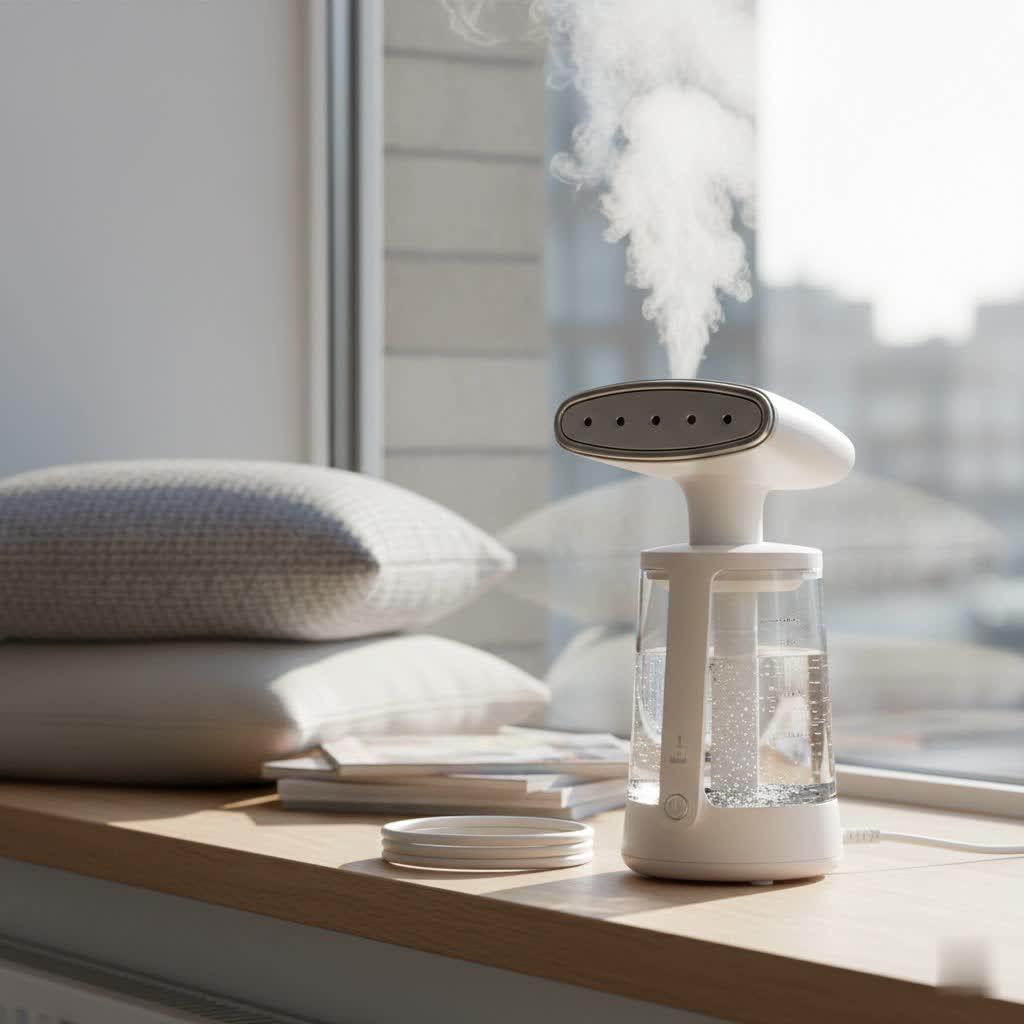
Handheld garment steamers are compact, lightweight, and perfect for quick touch-ups or smaller steaming tasks.
- Pros: Highly portable, easy to store, quick heat-up time, and generally more affordable. They are excellent for travelers or those with limited space.
- Cons: Smaller water tanks mean more frequent refills, and continuous steaming time is often limited. Their steam output may not be as powerful as upright models, making them less efficient for heavy fabrics or large loads of laundry.
- Best for: Travelers, students, quick daily wrinkle removal, delicate items, and light fabrics.
|
Our Picks for the Best Garment Steamer in 2026
We may earn a commission when you use one of our links to make a purchase.
|
||
| Num | Product | Action |
|---|---|---|
| 1 | Riakrum Over-the-door Steaming Station 38" x 19" Clothes Steamer Station with Ironing Glove 100% Cotton Cover with an Aluminum Vapor Protection Layer for Home and Travel Use |

|
| 2 | Rowenta Handheld Steamer for Clothes, Pure Force 2in1 Steamer & Iron, 1875W, Vertical/Horizonal Steaming & Ironing, Lightweight, Auto-off, XL power, 1875 Watts, DR8822 |
|
| 3 | Steamer for Clothes, 2-in-1 Portable Handheld Travel Steamer & Steam Iron, 1200W Powerful Wrinkle Remover, Smart Steam with 4 Modes, 10-Second Heat-Up, Perfect for Home & Travel. |
|
| 4 | OGHom Steamer for Clothes, Handheld Clothing Steamer for Garment, 240ml Big Capacity 700W Portable Travel Steam Iron (Blue) |
|
| 5 | Conair Handheld Garment Steamer for Clothes, Turbo ExtremeSteam 1875W Fabric Clothes Steamer, Portable Handheld Design, Strong Penetrating Steam, Blue |
|
| 6 | Conair Turbo Extreme Steam Hand Held Fabric Steamer, GS59X, 1875W, 15 min, 7.3 oz, White/Champagne |
|
| 7 | Jack & Rose Travel Steamer for Clothes,100-220V Portable Iron,15s Heat Up,Steamer & Iron 2 In 1, Travel Size,Large Ceramic Heat Panel,for Global and Europe |
|
| 8 | HiLIFE Steamer for Clothes, Portable Handheld Clothing Steamer, 240ml Big Capacity, 700W, Strong Power, Fabric Quick Wrinkle Remover with Brush for Home, Office, Travel (ONLY 120V) -Blue |
|
| 9 | HiLIFE Upgraded Steamer for Clothes, Handheld Portable Design, 1100W Powerful Steam, 300ml Larger Tank & No Leak Design, 30S Fast Heat-up, Quick Wrinkle Remover, Compact Size for Travel, ONLY 120V |
|
| 10 | Conair Handheld Garment Steamer for Clothes, Turbo ExtremeSteam 1875W Fabric Steamer, Portable Handheld Design, Strong Penetrating Steam, Amazon Exclusive, Black |
|
Upright Garment Steamers
Upright garment steamers, also known as full-size or standing steamers, are typically more robust and powerful.
- Pros: Large water tanks offer extended steaming sessions, powerful and continuous steam output, often feature a hanger for convenience, and are highly effective on a wide variety of fabrics, including heavy materials like denim and upholstery.
- Cons: Less portable due to their size and weight, require more storage space, and are generally more expensive than handheld models.
- Best for: Regular home use, steaming large volumes of clothing, drapery, upholstery, and tackling heavy-duty fabrics.
Travel Garment Steamers
Travel garment steamers are a subcategory of handheld steamers, specifically designed with portability as the top priority.
- Pros: Extremely compact and lightweight, often dual voltage for international travel, and can easily fit into luggage.
- Cons: Very small water tanks, limited steam output and duration, and may not be as effective on heavily wrinkled or thick fabrics.
- Best for: Business trips, vacations, and anyone needing a compact solution for quick garment freshening on the go.
Best Garment Steamers: A Detailed Comparison Guide
Choosing the “best” garment steamer depends heavily on your individual needs. Here’s a comparative look at some top models across different categories, highlighting key specifications and features to help you decide.
| Model | Type | Power (Watts) | Water Tank Capacity (oz) | Heat-up Time | Continuous Steam Time | Key Features | Price Range |
|---|---|---|---|---|---|---|---|
| Conair Turbo Extreme Steam | Handheld | 1875 | 7.3 | 40 seconds | 15 minutes | Dual heat, 4 steam settings, built-in creaser | $$$ |
| PurSteam PS-910 | Upright | 1500 | 61 | 60 seconds | 60 minutes | Fabric brush, hanger, automatic shut-off | $$ |
| Hilife Steamer for Clothes | Handheld | 700 | 8.1 | 130 seconds | 15 minutes | Lightweight, compact, auto shut-off | $ |
| Rowenta Master Valet IS6300 | Upright | 1550 | 81 | 60 seconds | 60 minutes | Integrated hanger, foot-operated pedal | $$$$ |
| Lemontec Portable Travel Steamer | Travel | 900 | 4.6 | 70 seconds | 7-9 minutes | Ultra-compact, leak-proof design | $ |
| Philips GC557/99 Garment Steamer | Upright | 2000 | 63 | 45 seconds | 60 minutes | FlexHead, StyleBoard, multiple steam settings | $$$$ |
- Conair Turbo Extreme Steam (Handheld): This model stands out for its powerful dual-heat technology, delivering exceptional wrinkle removal for a handheld unit. It’s a great all-rounder for those needing handheld convenience with enhanced performance.
- PurSteam PS-910 (Upright): Offering great value, the PurSteam PS-910 is a popular choice for its large capacity and long steaming time, making it suitable for larger households or frequent use without constant refills.
- Hilife Steamer for Clothes (Handheld): An excellent budget-friendly option for light use and travel, known for its rapid heat-up and ease of use. While not the most powerful, it handles basic wrinkle removal effectively.
- Rowenta Master Valet IS6300 (Upright): Rowenta is synonymous with quality, and this upright model offers professional-grade steaming with features like a large water tank and a unique built-in hanger system for maximum convenience.
- Lemontec Portable Travel Steamer (Travel): For the ultimate in portability, the Lemontec is a favorite. Its leak-proof design ensures hassle-free travel, though its capacity is small, requiring more frequent refills for multiple items.
- Philips GC557/99 Garment Steamer (Upright): A premium choice, the Philips steamer offers advanced features like a flexible steam head and an integrated style board, providing extra support for more precise steaming, almost like ironing.
Your Comprehensive Buying Guide to Garment Steamers
Selecting the ideal garment steamer involves more than just picking a popular model. Consider these factors to ensure your choice perfectly aligns with your needs.
Define Your Usage Needs
Start by assessing how and how often you’ll use the steamer.
- Fabric Types: Do you primarily steam delicate silks and synthetics, or heavy cottons and linens? More powerful steamers with higher wattages are better for tougher fabrics.
- Frequency: For occasional touch-ups, a handheld steamer might suffice. For daily use or large batches of clothes, an upright model with a larger tank is more practical.
- Portability: Do you need to travel with it, or will it stay in one spot? Handheld and travel steamers are designed for portability, while upright models are stationary.
Power (Wattage)
Wattage directly correlates with steam output and effectiveness.
- Lower wattage (600-1000W): Typically found in handheld and travel steamers, suitable for light fabrics and quick refreshes.
- Higher wattage (1500-2000W): Common in upright models, these offer more powerful and consistent steam, making them ideal for heavier fabrics and faster wrinkle removal. Opt for higher wattage if tackling tough creases is a priority.
Water Tank Capacity
The size of the water tank dictates how long you can steam continuously without refilling.
- Small tanks (4-8 oz): Ideal for handheld and travel units, offering 5-15 minutes of continuous steam. Perfect for 1-2 garments.
- Large tanks (50-100+ oz): Found in upright steamers, providing 60-90+ minutes of continuous steam, suitable for steaming multiple outfits or larger household items like curtains.
Essential Features to Look For
Modern garment steamers come with a range of features that enhance convenience and performance.
- Automatic Shut-off: A crucial safety feature that turns the steamer off when the water runs out or if it overheats.
- Anti-drip/Leak-proof Design: Prevents water from spitting out and potentially staining garments, especially important for handheld and travel models.
- Quick Heat-up Time: Most steamers heat up within a minute, but some can take longer. Faster heat-up is beneficial for quick morning routines.
- Multiple Steam Settings: Allows you to adjust steam intensity for different fabric types, from delicate to heavy-duty.
- Attachments: Look for accessories like fabric brushes (for lint and pet hair), creasers (for sharp pleats), and steaming pads.
- Integrated Hanger/Telescopic Pole: Upright steamers often include these for ease of use, allowing you to steam clothes directly on a hanger.
Reputable Brands
Investing in a steamer from a well-known brand often ensures better quality, durability, and customer support. Some of the most trusted brands in the garment steamer market include Conair, Rowenta, PurSteam, Philips, and Steamfast.
Price Point
Garment steamer prices vary widely based on type, power, features, and brand.
- Budget-friendly ($20-$50): Mostly basic handheld models suitable for light, occasional use.
- Mid-range ($50-$150): Offers a good balance of performance and features, including more powerful handhelds and entry-level upright steamers.
- Premium ($150-$300+): Top-tier upright models with advanced features, large capacities, and professional-grade performance.
Compare prices across different retailers to find the best deal, but be wary of excessively cheap models that might compromise on quality or safety.
How to Use Your Garment Steamer Effectively
Mastering your garment steamer ensures the best results and prolongs its life.
Preparation Before Steaming
- Fill the Water Tank: Use distilled water to prevent mineral buildup, which can clog the steamer and leave deposits on your clothes.
- Hang Your Garment: For best results, hang your item on a sturdy hanger. Upright steamers often come with integrated hangers.
- Heat Up: Plug in your steamer and wait for it to heat up completely. This is usually indicated by a light turning off or a change in sound.
- Test a Small Area: For delicate or unfamiliar fabrics, test a small, inconspicuous area first to ensure it reacts well to the steam.
Steaming Techniques for Different Fabrics
- General Technique: Hold the steamer head a few inches away from the fabric. Glide the steamer nozzle downwards, from top to bottom. Use your free hand to gently pull the fabric taut to smooth wrinkles.
- Delicate Fabrics (Silk, Rayon, Chiffon): Keep the steamer slightly further away (4-6 inches) and use a light touch. Avoid direct contact.
- Heavy Fabrics (Denim, Wool, Linen): You can hold the steamer closer to the fabric (1-2 inches) and move it slower to allow the steam to penetrate deeply.
- Pockets & Linings: Steam the inside of pockets and linings first, then the exterior.
- Collars & Cuffs: For a crisp look, use a creasing attachment if your steamer has one, or gently press the fabric against a flat, heat-resistant surface with the steam.
Cleaning and Maintaining Your Garment Steamer
Regular maintenance is crucial for longevity and performance.
- Empty Water Tank: After each use, empty any remaining water from the tank to prevent mineral buildup and mold.
- Decalcify Regularly: Depending on your water hardness and frequency of use, decalcify your steamer every few months. Many manufacturers recommend a solution of equal parts white vinegar and distilled water. Run this solution through the steamer until the tank is empty, then follow with a couple of tanks of plain distilled water to rinse thoroughly.
- Clean Nozzle: Use a cotton swab or a soft brush to clean any residue from the steam nozzle.
- Store Properly: Store your steamer upright in a cool, dry place.
Common Garment Steamer Problems and Solutions
Even the best garment steamers can encounter issues. Here’s how to troubleshoot them.
Steamer Not Producing Steam
- Check Water Level: Ensure the water tank is full.
- Heat-Up Time: Wait for the steamer to fully heat up. Most have an indicator light.
- Clogged Nozzle: Mineral buildup can block the nozzle. Decalcify the steamer following the manufacturer’s instructions.
- Kinked Hose (Upright Models): Ensure the hose isn’t bent or twisted, obstructing steam flow.
Water Leaking or Spitting
- Overfilling: Do not overfill the water tank beyond the “max” line.
- Not Hot Enough: If the steamer hasn’t fully heated, it might spit water instead of steam. Wait for the indicator light.
- Tilting Too Much (Handhelds): Some handheld steamers are designed to be used upright. Tilting them too much can cause water to leak.
- Mineral Buildup: Decalcify the steamer as hard water deposits can interfere with proper steam generation.
Steamer Clogging
- Using Tap Water: The most common cause of clogging is using regular tap water, which contains minerals. Always use distilled water.
- Infrequent Cleaning: Regular decalcification (every 1-3 months, depending on use) is essential to prevent mineral buildup.
Important Safety Notes When Using a Garment Steamer
Safety should always be a priority when operating any electrical appliance that produces heat and steam.
- Keep Out of Reach of Children and Pets: The hot steam and surfaces can cause severe burns.
- Never Use Near Water: Avoid using the steamer near sinks, bathtubs, or any water source to prevent electrical shock.
- Do Not Overuse: Do not leave the steamer running unattended or operate it for excessively long periods without checking the water level or for overheating.
- Direct Steam Away from Body: Always direct the steam nozzle away from yourself and others. Never place your hand in front of the steam path.
- Unplug When Not in Use: Always unplug the steamer from the outlet when refilling the water tank, cleaning, or storing. Allow it to cool completely before putting it away.
- Use on Appropriate Surfaces: Ensure the garment you are steaming is hung on a secure hanger, away from heat-sensitive surfaces.
“A garment steamer is not just a tool for wrinkle removal; it’s a fabric rejuvenator. It breathes new life into clothes, extending their wearability and making them look impeccably fresh without the harshness of an iron.” – Sarah Chen, Textile Care Specialist
Conclusion
Choosing the best garment steamer is an investment in the longevity and appearance of your wardrobe. By understanding the different types available, recognizing key features, and following proper usage and maintenance guidelines, you can find a device that perfectly fits your lifestyle and needs. Whether you opt for a compact handheld for quick touch-ups or a powerful upright model for extensive fabric care, a garment steamer will quickly become an indispensable part of your home. Ready to say goodbye to wrinkles and hello to effortlessly fresh garments?
Frequently Asked Questions
Is a garment steamer better than an iron?
For many fabrics, yes. Garment steamers are gentler on clothes, prevent scorching, and are faster for wrinkle removal without an ironing board. Irons provide sharper creases and are better for heavy, crisp fabrics.
Can I use tap water in my garment steamer?
It is strongly recommended to use distilled water in your garment steamer. Tap water contains minerals that can cause buildup, clog the steamer, and leave white marks on your clothes, shortening its lifespan.
How long does a garment steamer take to heat up?
Most modern garment steamers heat up very quickly, typically within 40 seconds to 2 minutes, depending on the model and power.
Can I steam all types of fabrics?
Garment steamers are safe for almost all fabrics, including delicate materials like silk, chiffon, lace, and even velvet, as well as heavier fabrics like cotton, wool, and linen. Always test in an inconspicuous area first.
How do I clean my garment steamer?
Regularly empty the water tank after each use. Decalcify your steamer every 1-3 months (depending on use) by running a solution of equal parts white vinegar and distilled water through it, followed by plain distilled water rinses.