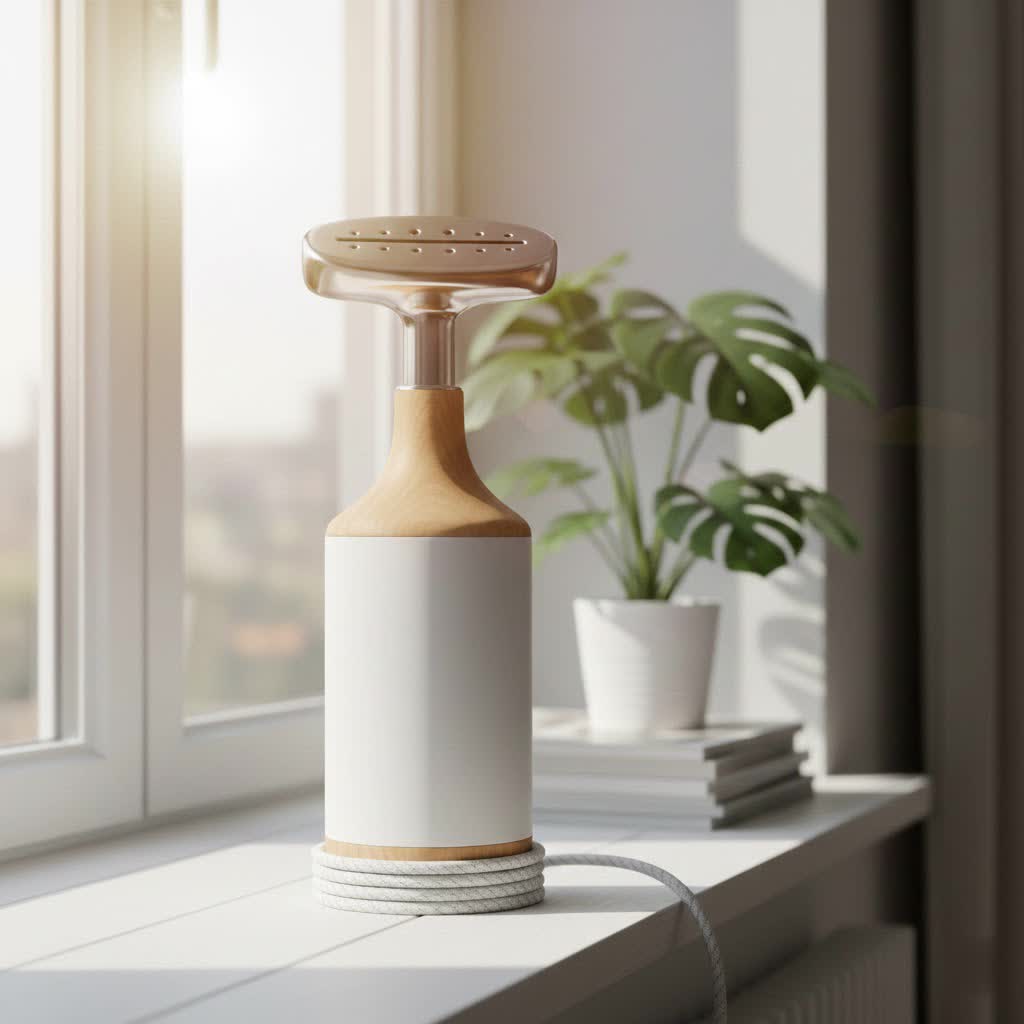
Tired of battling stubborn wrinkles with traditional irons, wishing for a more convenient solution that saves you time and effort? The evolution of garment care has brought forth the Automatic Garment Steamer, a revolutionary device designed to transform your routine. Moving beyond manual effort, these advanced steamers offer a “hands-off” approach, delivering pristine, wrinkle-free clothes with unparalleled ease. This comprehensive guide will delve into the world of automatic garment steamers, exploring their benefits, diverse types, essential buying considerations, and tips for optimal use, ensuring your wardrobe always looks its best.
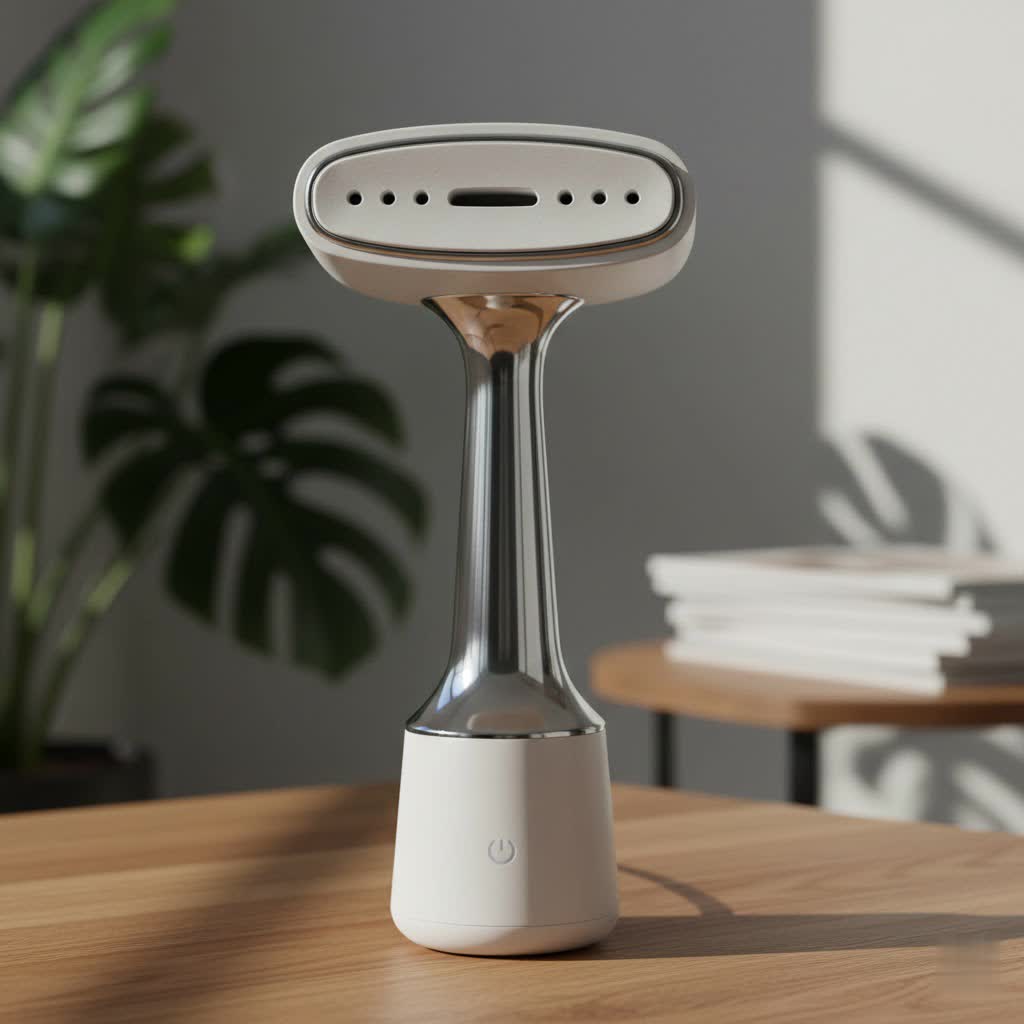
Why Choose an Automatic Garment Steamer? The Benefits
Automatic garment steamers offer a compelling alternative to conventional ironing, providing numerous advantages that streamline your fabric care. Unlike irons that press fabrics, steamers relax the fibers with hot steam, gently releasing wrinkles without direct contact. This method is inherently kinder to your clothes, reducing the risk of scorching, burning, or flattening delicate weaves. Fabrics like silk, chiffon, wool, and rayon, which are often challenging to iron, benefit immensely from the gentle touch of steam, preserving their texture and longevity [1 – search 2].
Beyond wrinkle removal, these devices offer substantial time and effort savings. With rapid heat-up times—often just seconds—and the ability to de-wrinkle garments directly on a hanger, you can achieve a fresh look in minutes, perfect for busy mornings or last-minute touch-ups [4 – search 2]. The powerful steam also works as a natural sanitizer, reducing odors, killing bacteria, and refreshing clothes between washes, extending the life of your garments and cutting down on dry cleaning bills [1 – search 1; 2, 4 – search 2]. Moreover, the versatility of a garment steamer extends beyond your wardrobe; it can effectively refresh curtains, upholstery, and even sanitize mattresses, making it a multi-purpose household tool [1 – search 1; 2, 4 – search 2].
Understanding Automatic Garment Steamers
While all garment steamers aim to remove wrinkles with steam, the “automatic” aspect refers to models that prioritize convenience, efficiency, and a more hands-off user experience. These typically represent an advancement over basic handheld units, often found in upright or standing models with enhanced features.
An automatic garment steamer often includes:
- Continuous Steam Output: Unlike handheld models that might require holding a trigger, automatic steamers typically offer a consistent, powerful flow of steam without constant manual engagement [3 – search 1].
- Larger Water Tanks: Designed for extended use, these steamers boast generous water reservoirs, allowing for longer steaming sessions without frequent refills, which is a common drawback of smaller, portable units [2 – search 1; 2 – search 2].
- Hands-Free Operation: Some advanced models incorporate hanging systems or even enclosed chambers where garments can be placed, minimizing the need for manual manipulation during the steaming process [4 – search 1]. This allows you to attend to other tasks while your clothes are being refreshed.
- Multiple Steam Settings: Offering adjustable steam levels for various fabric types, from delicate silks to more robust cottons, ensures optimal care without damage [2 – search 2].
- Rapid Heat-Up: Quick preparation times mean you’re ready to steam in under a minute, enhancing efficiency [2 – search 1; 2 – search 2].
The key differentiator for an “automatic” steamer is its capacity to deliver a more seamless and less physically demanding experience, making it ideal for those who steam frequently or deal with large volumes of clothing.
Types of Garment Steamers
Garment steamers come in various forms, each suited to different needs and lifestyles. Understanding these types helps in appreciating where “automatic” features typically reside.
Handheld Garment Steamers
- Pros: Compact, lightweight, highly portable, excellent for travel and quick touch-ups on the go [3, 4 – search 2]. They heat up quickly and are easy to store.
- Cons: Smaller water tanks require frequent refills, less continuous steam output compared to larger models, and may not be as effective on heavier fabrics or deep wrinkles [5 – search 1; 1, 3 – search 2].
- Best For: Individuals with minimal steaming needs, travelers, or those seeking a supplementary tool for quick fixes. Examples include models from Conair, Philips, and CHI [2, 3, 5 – search 1; 1, 3, 4 – search 2].
|
Our Picks for the Best Garment Steamer in 2026
We may earn a commission when you use one of our links to make a purchase.
|
||
| Num | Product | Action |
|---|---|---|
| 1 | OGHom Steamer for Clothes, Handheld Clothing Steamer for Garment, 240ml Big Capacity 700W Portable Travel Steam Iron (Blue) |

|
| 2 | Conair Handheld Garment Steamer for Clothes, Turbo ExtremeSteam 1875W Fabric Steamer, Portable Handheld Design, Strong Penetrating Steam, Amazon Exclusive, Black |
|
| 3 | Steamer for Clothes, 2-in-1 Portable Handheld Travel Steamer & Steam Iron, 1200W Powerful Wrinkle Remover, Smart Steam with 4 Modes, 10-Second Heat-Up, Perfect for Home & Travel. |
|
| 4 | Conair Turbo Extreme Steam Hand Held Fabric Steamer, GS59X, 1875W, 15 min, 7.3 oz, White/Champagne |
|
| 5 | HiLIFE Upgraded Steamer for Clothes, Handheld Portable Design, 1100W Powerful Steam, 300ml Larger Tank & No Leak Design, 30S Fast Heat-up, Quick Wrinkle Remover, Compact Size for Travel, ONLY 120V |
|
| 6 | Conair Handheld Garment Steamer for Clothes, Turbo ExtremeSteam 1875W Fabric Clothes Steamer, Portable Handheld Design, Strong Penetrating Steam, Blue |
|
| 7 | Riakrum Over-the-door Steaming Station 38" x 19" Clothes Steamer Station with Ironing Glove 100% Cotton Cover with an Aluminum Vapor Protection Layer for Home and Travel Use |
|
| 8 | Jack & Rose Travel Steamer for Clothes,100-220V Portable Iron,15s Heat Up,Steamer & Iron 2 In 1, Travel Size,Large Ceramic Heat Panel,for Global and Europe |
|
| 9 | Rowenta Handheld Steamer for Clothes, Pure Force 2in1 Steamer & Iron, 1875W, Vertical/Horizonal Steaming & Ironing, Lightweight, Auto-off, XL power, 1875 Watts, DR8822 |
|
| 10 | HiLIFE Steamer for Clothes, Portable Handheld Clothing Steamer, 240ml Big Capacity, 700W, Strong Power, Fabric Quick Wrinkle Remover with Brush for Home, Office, Travel (ONLY 120V) -Blue |
|
Upright (Standing) Garment Steamers
- Pros: Equipped with larger water tanks for extended steaming sessions, more powerful and consistent steam output, and often include features like garment hangers and adjustable poles for greater convenience [2 – search 2]. These models are where most “automatic” features, like extensive continuous steam and hands-free options, are found.
- Cons: Less portable due to their size, require more storage space, and typically have a higher price point.
- Best For: Regular home use, steaming larger quantities of clothing, delicate garments, and even household items like drapes and upholstery [5 – search 1; 2 – search 2]. The Jiffy J-2000 is a renowned upright model [5 – search 1].
Travel Garment Steamers
- Pros: Specifically designed for portability, compact size, lightweight construction, and often feature dual-voltage capabilities for international use [4 – search 2].
- Cons: Smallest water tanks, limited steam power, and primarily suitable for light wrinkles and touch-ups.
- Best For: Frequent travelers who need to keep their clothes looking sharp while away from home.
Choosing the Best Automatic Garment Steamer: A Buying Guide
Selecting an automatic garment steamer involves considering several factors to match your specific needs and ensure maximum satisfaction.
- Determine Your Usage Needs: Consider the types of fabrics you typically steam and how frequently you’ll use the device. If you handle many delicate items or large loads, an upright model with extensive automatic features will be more beneficial. For occasional use, a powerful handheld model might suffice, though it’s less “automatic.”
- Power (Wattage): Higher wattage generally indicates faster heat-up times and more powerful, consistent steam output, which is crucial for efficient wrinkle removal [2 – search 1]. Look for models with at least 1500W for robust performance.
- Water Tank Capacity & Continuous Steam Time: For an automatic experience, a larger water tank is key. This directly impacts the continuous steam time, allowing you to steam multiple garments without interruptions for refills. Some models offer over 60 minutes of continuous steam from a 2.5-liter tank [2 – search 2].
- Heat-Up Time: A quick heat-up time (e.g., 15-60 seconds) is essential for convenience, especially when you’re in a hurry [2 – search 1; 2 – search 2].
- Steam Settings: Adjustable steam settings allow you to customize the steam intensity for different fabric types, protecting delicate materials and effectively tackling tougher wrinkles [2 – search 2].
- Safety Features: Look for features like automatic shut-off when the water tank is empty or if the steamer overheats, enhancing safety and energy efficiency [4 – search 2]. An anti-drip system is also valuable to prevent water stains on garments.
- Attachments and Accessories: Useful attachments such as fabric brushes for delicate materials, lint removers, creasers for sharper lines, and heat-protective gloves can significantly enhance the steamer’s versatility and performance [2 – search 1; 3 – search 1].
- Brand Reputation and Warranty: Opt for reputable brands known for quality and customer service. A good warranty provides peace of mind.
- Price: Automatic garment steamers can range widely in price. While more expensive models often offer superior features and durability, there are excellent mid-range options that provide great value.
How to Use Your Automatic Garment Steamer Correctly
Using an automatic garment steamer is straightforward, but following best practices ensures optimal results and extends the life of your appliance.
- Preparation: Fill the water tank with distilled water to prevent mineral buildup and extend the life of your steamer. Hang your garment on a hanger, ideally a sturdy one, or use the integrated hanging system if your steamer has one. Ensure there’s enough space around the garment for steam to circulate.
- Heating: Plug in your steamer and allow it to heat up fully. Most automatic models heat up quickly, indicated by a light or sound [4 – search 2].
- Steaming Technique:
- Start from the Top: Begin steaming from the top of the garment, working your way downwards.
- Pull the Fabric Taut: Gently pull the fabric taut with your free hand (wear a heat-resistant glove if provided) as you steam. This helps to stretch the fibers and release wrinkles more effectively [1 – search 1].
- Glide the Nozzle: Hold the steamer nozzle a few inches from the fabric and move it in slow, vertical strokes. For stubborn wrinkles, you can hold the nozzle closer for a few seconds.
- Work in Sections: Focus on one section at a time, overlapping your strokes slightly.
- Inside Out for Delicates: For very delicate fabrics or embellished garments, steaming from the inside out can be gentler.
- Cooling and Drying: Allow the garment to cool and air dry for a few minutes before wearing or putting it away. This helps set the de-wrinkled shape and ensures any dampness evaporates [1 – search 1; 3 – search 2].
Common Issues and Troubleshooting
Even automatic garment steamers can encounter occasional issues. Here’s how to address some common problems:
- No Steam or Low Steam Output:
- Check Water Level: Ensure the water tank is filled above the minimum level.
- Allow Adequate Heat-Up: The steamer needs to reach its operating temperature. Wait until the indicator light signals readiness.
- Descaling: Mineral buildup from tap water can clog the steam vents. Follow your manufacturer’s instructions for descaling, typically using a vinegar solution.
- Water Leaking or Spitting:
- Overfilling: Avoid overfilling the water tank.
- Tilting: Keep the steamer upright; tilting it too much can cause water to escape through the nozzle.
- Not Hot Enough: If the steamer hasn’t reached full temperature, it might spit water instead of steam.
- Mineral Buildup: Descaling can resolve this issue if it’s due to clogs.
- Steam Head Clogging:
- Descaling: Regular descaling is the primary solution for preventing and clearing mineral clogs.
Safety Precautions When Using a Garment Steamer
While garment steamers are generally safe, it’s crucial to follow safety guidelines to prevent accidents.
- Keep Out of Reach of Children and Pets: The hot steam can cause severe burns.
- Use on a Stable Surface: Always place the steamer on a flat, stable, heat-resistant surface.
- Never Point at People or Pets: The steam is extremely hot and can cause burns.
- Avoid Overfilling: Stick to the maximum fill line on the water tank.
- Unplug When Not in Use: Always unplug the steamer before refilling, cleaning, or when it’s not in active use.
- Do Not Use Near Water: Keep the steamer away from sinks, bathtubs, and other water sources to prevent electric shock.
- Inspect the Cord: Regularly check the power cord for any damage and never use a steamer with a frayed or damaged cord.
- Allow to Cool Before Storing: Ensure the steamer has completely cooled down before packing it away.
Conclusion
Automatic garment steamers represent a significant leap forward in home garment care, offering a gentle, efficient, and often hands-free alternative to traditional ironing. Their ability to quickly refresh clothes, remove odors, and safely de-wrinkle delicate fabrics makes them an invaluable tool for maintaining a pristine wardrobe and a well-kept home. By understanding the different types, key features, and proper usage, you can confidently choose the perfect automatic garment steamer to simplify your routine and keep your clothes looking impeccable. Ready to embrace the future of wrinkle-free living?
Frequently Asked Questions
What makes a garment steamer “automatic”?
An automatic garment steamer emphasizes features like continuous, consistent steam output, larger water tanks for extended use, and often includes integrated hanging systems or design elements that facilitate a more hands-off, less manual steaming experience, typically found in upright models.
Can an automatic garment steamer replace an iron entirely?
While automatic garment steamers excel at removing wrinkles and refreshing most fabrics gently, they typically cannot create the crisp creases or sharp presses that an iron provides, especially for thick fabrics like denim or stiff cotton shirts that require defined lines [1, 5 – search 1; 1, 5 – search 2].
Is it safe to use tap water in my automatic garment steamer?
It is generally recommended to use distilled water in your garment steamer to prevent mineral buildup (limescale) from tap water, which can clog the steam vents and reduce the appliance’s efficiency and lifespan.
How often should I descale my automatic garment steamer?
The frequency of descaling depends on your water hardness and how often you use the steamer. If you use tap water, descale monthly; with distilled water, descaling is less frequent but still recommended periodically as per manufacturer guidelines.
Can automatic garment steamers be used on all fabrics?
Automatic garment steamers are safe for almost all fabrics, including delicates like silk, chiffon, lace, and wool, as well as synthetics and cotton. However, for heavily wrinkled thick fabrics or items requiring sharp creases, a traditional iron might still be necessary [1, 5 – search 1].