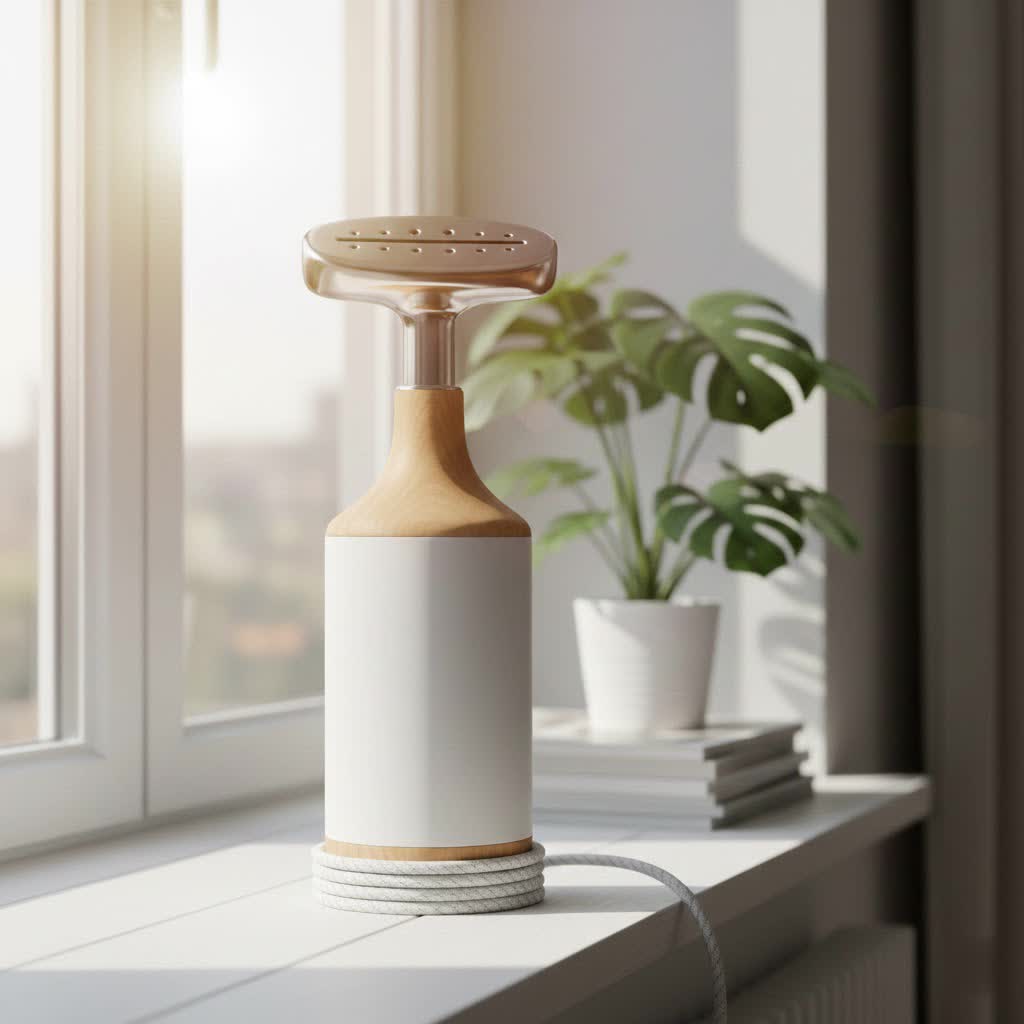
Your wedding day is a tapestry of dreams, emotions, and countless details, each meticulously planned to perfection. Among these, the appearance of your wedding dress stands paramount. After careful selection, fittings, and travel, it’s not uncommon for your beautiful gown to acquire unwanted wrinkles, threatening to dull its pristine charm. This is where a high-quality garment steamer becomes an invaluable tool, transforming creased fabric into smooth elegance, ensuring your dress looks absolutely flawless as you walk down the aisle.
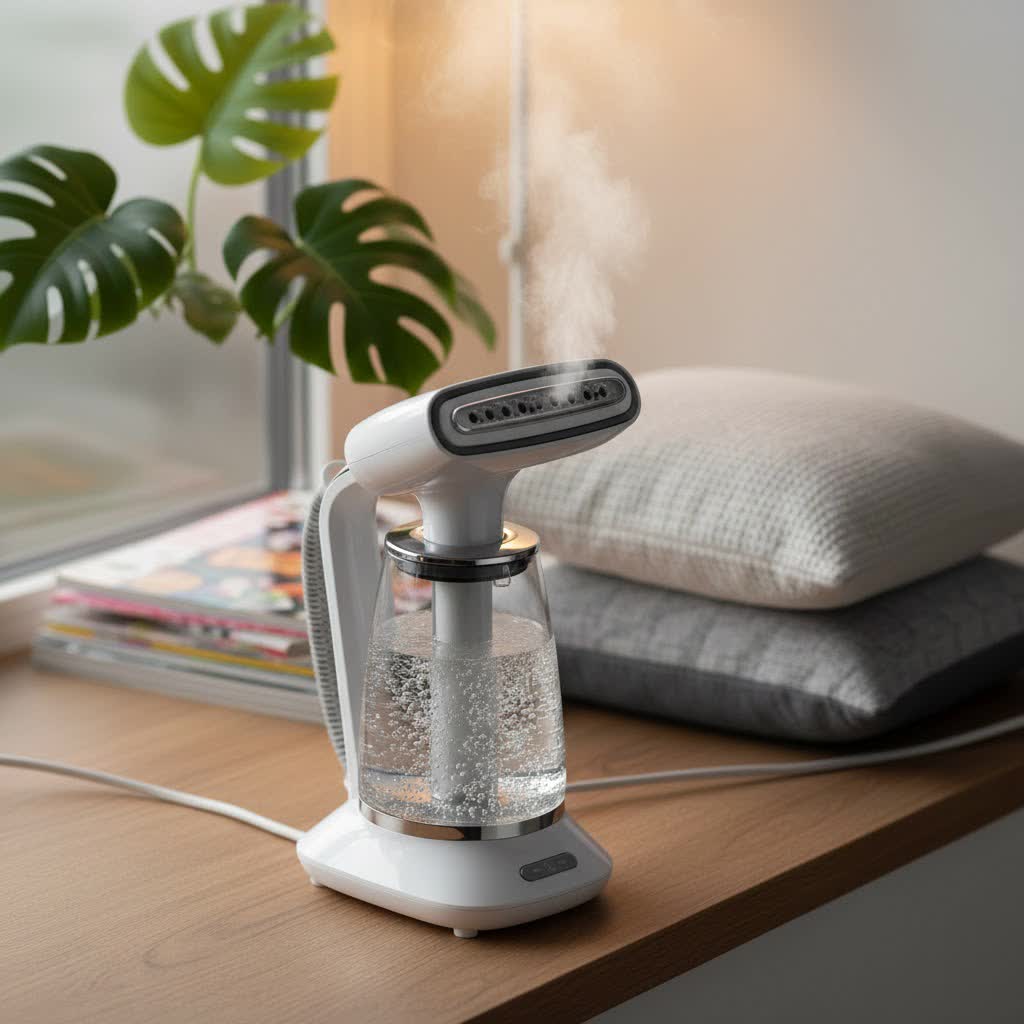
Garment steamers offer a gentle yet powerful alternative to traditional ironing, particularly crucial for the delicate and often intricate fabrics of a wedding dress. Unlike an iron that applies direct heat and pressure, a steamer uses hot vapor to relax fabric fibers, effortlessly smoothing out creases without the risk of scorching, flattening intricate textures, or leaving shiny marks. Whether it’s luxurious silk, ethereal tulle, delicate lace, or structured satin, steaming preserves the integrity and beauty of your gown, making it a bride’s best friend for last-minute touch-ups and ensuring a picture-perfect presentation.
Garment Steamer: The Perfect Solution for a Flawless Wedding Dress
Imagine the sheer panic of discovering wrinkles on your cherished wedding gown just hours before the ceremony. While a traditional iron might seem like the obvious solution, it poses significant risks for the delicate and often embellished fabrics of bridal wear. Garment steamers offer a safer, more efficient, and fabric-friendly approach to wrinkle removal.
The primary benefit of using a garment steamer on your wedding dress is its gentle nature. Unlike an iron that presses down with heat, potentially damaging delicate embroidery, lace, or beading, a steamer relaxes the fibers with hot vapor, eliminating creases without direct contact. This preserves the fabric’s texture, drape, and sheen, preventing scorch marks, shiny spots, or unintended flattening. Furthermore, steamers are significantly faster for large, flowing garments like wedding dresses, allowing you to cover vast areas quickly and effectively. They also help to refresh fabrics, removing odors and killing bacteria, which is particularly beneficial for a dress that may have traveled or been stored for a period.
Choosing the Right Garment Steamer for Your Wedding Day
Selecting the ideal garment steamer for your wedding dress requires careful consideration, balancing portability with power and specific features tailored to delicate fabrics. The right steamer can be the difference between a last-minute panic and serene confidence.
Types of Garment Steamers
Garment steamers come in various forms, each suited for different needs and scenarios.
- Handheld Steamers:
- Pros: Highly portable, lightweight, compact, quick heat-up time (often under a minute), ideal for quick touch-ups and travel. They are perfect for destination weddings or on-the-go adjustments at the venue.
- Cons: Smaller water tanks require more frequent refills, typically offering 10-15 minutes of continuous steam. May not be robust enough for very heavy, deeply wrinkled ballgowns without multiple refills.
- Ideal for: Brides seeking convenience, mobility, and quick wrinkle removal for lighter fabrics or minor creases.
- Upright (Standing) Garment Steamers:
- Pros: Feature larger water tanks for extended continuous steaming (often over 30 minutes to an hour), powerful steam output, suitable for heavy fabrics and large volumes of clothing. Professional-grade options provide exceptional durability and efficiency.
- Cons: Less portable, bulkier, longer heat-up times (3-5 minutes), require more storage space.
- Ideal for: Home use where space isn’t an issue, tackling heavily wrinkled ballgowns with multiple layers, or steaming an entire bridal party’s attire.
- Travel Steamers:
- Pros: Ultra-compact and lightweight, designed specifically for packing in luggage, very fast heat-up. Often dual voltage for international travel.
- Cons: Very small water capacity, best for emergency touch-ups rather than extensive steaming sessions. You will likely need to refill multiple times for a full wedding dress.
- Ideal for: Destination weddings where luggage space and international compatibility are key.
Key Features to Consider
When purchasing a garment steamer for your wedding dress, prioritize features that ensure safety, efficiency, and adaptability to delicate materials.
- Adjustable Heat/Steam Settings: This is paramount for wedding dresses. Look for models with multiple steam settings or variable temperature controls. This allows you to customize the steam intensity based on the fabric type—low for silks and chiffons, higher for satins and heavier blends—preventing damage.
- Water Tank Capacity & Continuous Steam Time: A larger tank means longer steaming sessions without constant refills, which is crucial for a large wedding dress. For handheld models, aim for at least 7-10 ounces to avoid frequent interruptions. Upright models can hold a gallon or more, offering an hour or more of continuous steam.
- Power (Wattage) & Heat-up Time: Higher wattage (typically 1000-2000 watts for home models) translates to faster heat-up times and stronger, more consistent steam output. A steamer that heats up in 30-45 seconds saves precious time on your wedding day.
- Portability & Design: For convenience, especially if traveling to your venue, a lightweight and compact design is beneficial. Consider the length of the power cord for flexibility during use.
- Safety Features: An automatic shut-off function provides peace of mind, preventing overheating if the water tank runs dry or if the steamer is left unattended.
- Attachments: Useful accessories can enhance your steaming experience. These might include a fabric brush for thicker fabrics, a lint remover, or a delicate fabric guard to prevent direct contact with the steam head. A protective glove is also highly recommended to prevent accidental burns.
- Ceramic Soleplate: For steamers that offer a slight pressing surface, a ceramic soleplate can be beneficial as it glides smoothly over fabrics and is less likely to snag or damage delicate materials.
Top Recommended Garment Steamers for Wedding Dresses
Ensuring your wedding dress is pristine requires a reliable tool. Here are some of the best garment steamers that cater to the unique needs of bridal attire, from delicate silks to voluminous ballgowns.
| Model | Type | Key Features | Best For |
|---|---|---|---|
| Conair Turbo Extreme Steam Handheld | Handheld | 1875 watts, 7.3 oz tank, 40-sec heat-up, 15 min continuous steam, 5 settings | Versatile use, delicate fabrics (silk, satin, tulle), quick touch-ups |
| Jiffy J-2000 Garment Steamer | Upright | 1300 watts, 2.84-liter tank, 1-min heat-up, 1+ hour continuous steam | Heavy fabrics, ballgowns, extensive layers, professional use |
| Rowenta Pure Pop Handheld Steamer | Handheld | Compact, stylish, powerful, fast heat-up | Gowns, accessories, travel, quick final preps |
| CHI Handheld Garment Steamer | Handheld | 800 watts, 35-sec heat-up, 5 min continuous steam, ceramic soleplate | Silk, crepe, quick touch-ups, lightweight |
| Rowenta ProStyle Full Size Professional | Upright | 1500 watts, 1.5-liter tank, 45-sec heat-up, 50 min continuous steam, 3 settings | Bulk steaming, bridal party, suits |
| G7 Dual Voltage Steamer | Travel | 1000 watts, 18-sec heat-up, 8 min continuous steam, dual voltage | Destination weddings, international travel, compact |
Your Step-by-Step Guide to Steaming a Wedding Dress
Steaming your wedding dress at home or at your venue is entirely possible, but it requires patience and a gentle touch. Following these steps will help you achieve a beautifully wrinkle-free gown.
Preparation is Key
Proper preparation is the first step to successful steaming and protecting your precious gown.
- Hang the Dress Securely and High: Find a clean, spacious, and well-ventilated area. Use a sturdy, tall hook or a doorway where the dress can hang freely without touching the floor or bunching up. Lay a clean white sheet on the floor underneath to protect the dress from any dirt or accidental water drips.
- Use Distilled Water: Always fill your steamer with distilled water. Tap water contains minerals that can leave spots or stains on delicate fabrics, especially silk and satin.
- Heat Up and Test: Allow your steamer to fully heat up. Before approaching your dress, direct the steam away from the gown for a few initial bursts. This clears any condensed water that might spit out. Always test the steamer on an inconspicuous inner seam or a hidden part of the dress first, especially with delicate fabrics, to ensure there are no adverse reactions. Consider covering the steamer nozzle with a clean white cloth or thin sock to prevent any water spitting.
Steaming Techniques for Delicate Fabrics
The technique you employ can significantly impact the outcome, particularly when dealing with the diverse fabrics and embellishments of a wedding dress.
- Work from the Inside Out and Bottom Up: Start steaming from the inside layers of the dress, and from the hem or train, gradually working your way upwards. This technique helps push wrinkles out rather than setting them in, and prevents new creases from forming on already-steamed sections. If there are multiple layers, begin with the innermost one.
- Maintain Distance: Hold the steamer head a few inches (typically 6-12 inches) away from the fabric. Do not let the steamer head touch the dress directly. The goal is to let the hot steam relax the fibers, not to saturate the fabric.
- Gentle, Downward Motions: Use light, smooth, downward motions. For stubborn wrinkles, a quick circular motion can be effective, but avoid lingering in one spot for too long. Move on and come back if a wrinkle persists. Do not pull too hard on the outer layers as this can stretch the fabric.
- Handling Embellishments and Delicate Fabrics:
- Lace and Embellishments (beads, sequins): These areas are often heat-sensitive. Avoid direct steam. Instead, hover the steamer nearby, allowing the steam to gently fall over them. Often, lace and embellished areas do not wrinkle significantly.
- Silk and Satin: These fabrics are prone to water spots. For extra caution, steam indirectly or place a clean white cotton cloth over the area and steam through it. Never let the steamer head touch these fabrics directly.
- Taffeta: Steam taffeta from the inside (the wrong side of the fabric) to prevent shiny marks on the front. Avoid over-steaming, and allow it to cool completely before touching.
After Steaming
Once you’ve finished steaming, the dress needs time to settle.
- Allow to Dry and Settle: After steaming, let the gown hang freely for at least 20-30 minutes, or ideally longer, to fully dry and cool down. This allows the fabric to relax and gravity to continue its work, ensuring wrinkles don’t return. Avoid touching or wearing the dress until it’s completely dry.
Safety Tips and Common Pitfalls
Prioritizing safety and knowing what to avoid can save you from potential damage or injury.
- Do Not Over-saturate: Too much steam can lead to water stains, especially on delicate fabrics like silk and satin.
- Avoid Direct Contact with Skin: Steam is extremely hot. Always keep your hands and face clear of the steam path. Using a protective glove can be very helpful.
- Professional Help: If you are unsure or nervous about steaming your precious gown, consider professional steaming services. Bridal stylists are experts in handling delicate fabrics and can ensure your dress is perfect. Professional steaming can cost anywhere from $75 to $250, but it offers immense peace of mind.
- Never Iron Directly: In almost all cases, steaming is superior to ironing for wedding dresses. If ironing is the only option, use the lowest heat setting, place a clean white cloth between the iron and the fabric, and keep the iron moving constantly.
- Steam the Night Before: Ideally, steam your wedding dress the night before the wedding. This allows ample time for it to settle and ensures you’re not rushing on the big day.
Conclusion
Preparing your wedding dress for your special day is an exciting, albeit sometimes nerve-wracking, part of the bridal journey. A high-quality garment steamer is an indispensable tool, offering a gentle, effective, and safe method to ensure your gown is free of wrinkles and looks absolutely radiant. By understanding the types of steamers available, prioritizing key features like adjustable settings and water capacity, and following proper steaming techniques, you can confidently tackle any last-minute creases. Remember to choose distilled water, work methodically, and allow your dress ample time to dry and settle. With the right garment steamer and these expert tips, you’ll glide down the aisle looking picture-perfect, ready to create unforgettable memories.
What steps will you take to ensure your wedding dress is flawlessly steamed for your big day?
Frequently Asked Questions
Can I steam my wedding dress at home?
Yes, you can absolutely steam your wedding dress at home, but it’s often recommended to do the final touch-ups at your wedding venue or wherever you will be getting ready. This helps address any wrinkles that might occur during transit. Be sure to follow all safety and technique guidelines for delicate fabrics.
How long does it take to steam a wedding dress?
The time required varies depending on the dress’s complexity, fabric, and number of layers. Simple sheath or A-line gowns might take 30-45 minutes, while voluminous ballgowns or those with extensive trains and layers can take 1-2 hours. Always allow extra time for the dress to dry and settle afterward.
Is it better to steam or iron a wedding dress?
In almost every case, steaming is the safer and more effective option for wedding dresses. Steaming gently relaxes fabric fibers without flattening textures or risking heat damage and shiny marks. Ironing should generally be avoided unless done professionally, and even then, usually with a protective cloth.
What kind of water should I use in my garment steamer?
Always use distilled water in your garment steamer. Tap water contains minerals that can lead to limescale buildup in the steamer and, more importantly, can leave unsightly mineral spots or stains on delicate wedding dress fabrics, especially silk and satin.
When is the best time to steam the dress?
The ideal time to steam your wedding dress is 1-2 days before the wedding, or the night before. This allows the fabric ample time to relax, cool, and fully dry, ensuring any lingering wrinkles naturally smooth out and avoiding the chaos of last-minute touch-ups on your wedding morning.