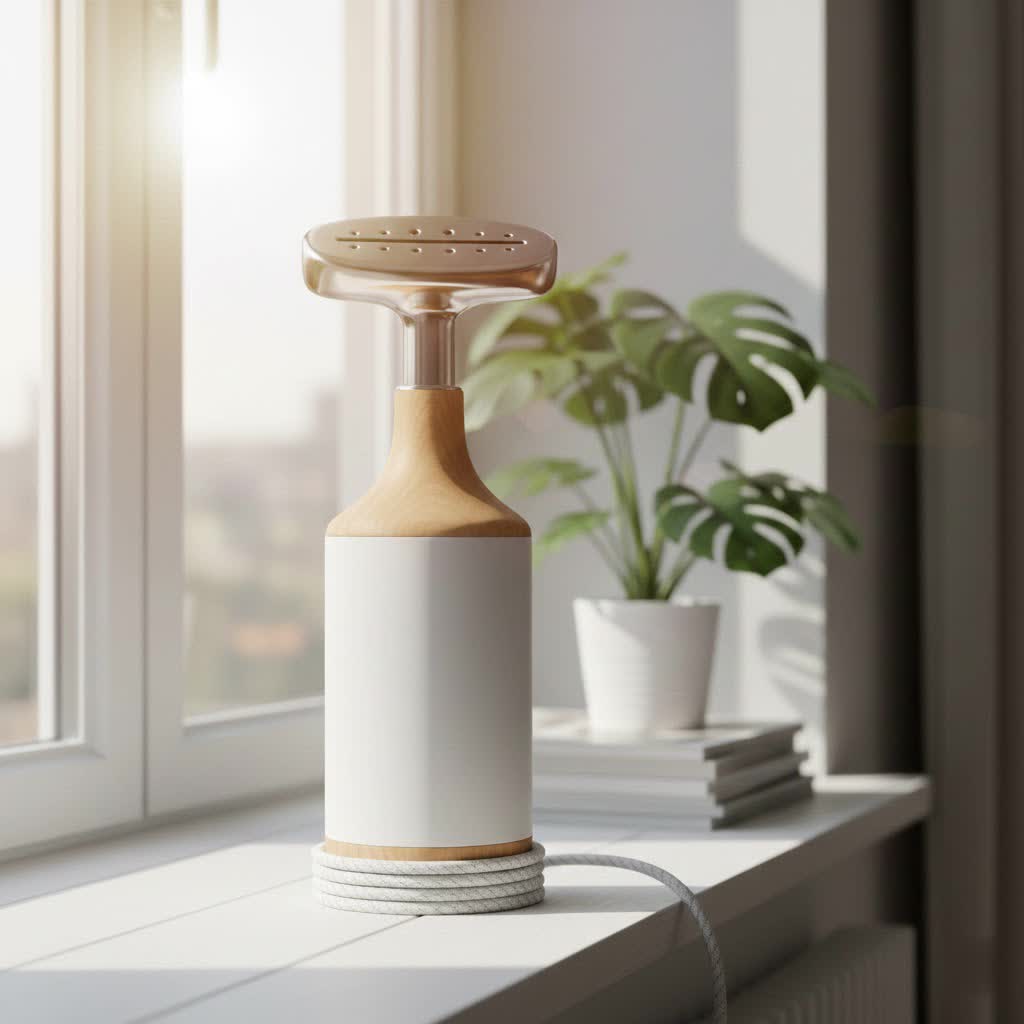
Are you tired of battling stubborn wrinkles, or perhaps finding your iron too harsh and time-consuming for your delicate garments? Many of us face the daily challenge of keeping our clothes looking fresh and presentable. But what if there was a quicker, gentler, and more convenient way to achieve that polished look? Enter the Garment Steamer, a modern marvel that has revolutionized fabric care. This guide will walk you through everything you need to know about garment steamers, helping you select the perfect device to effortlessly maintain your wardrobe and streamline your daily routine.
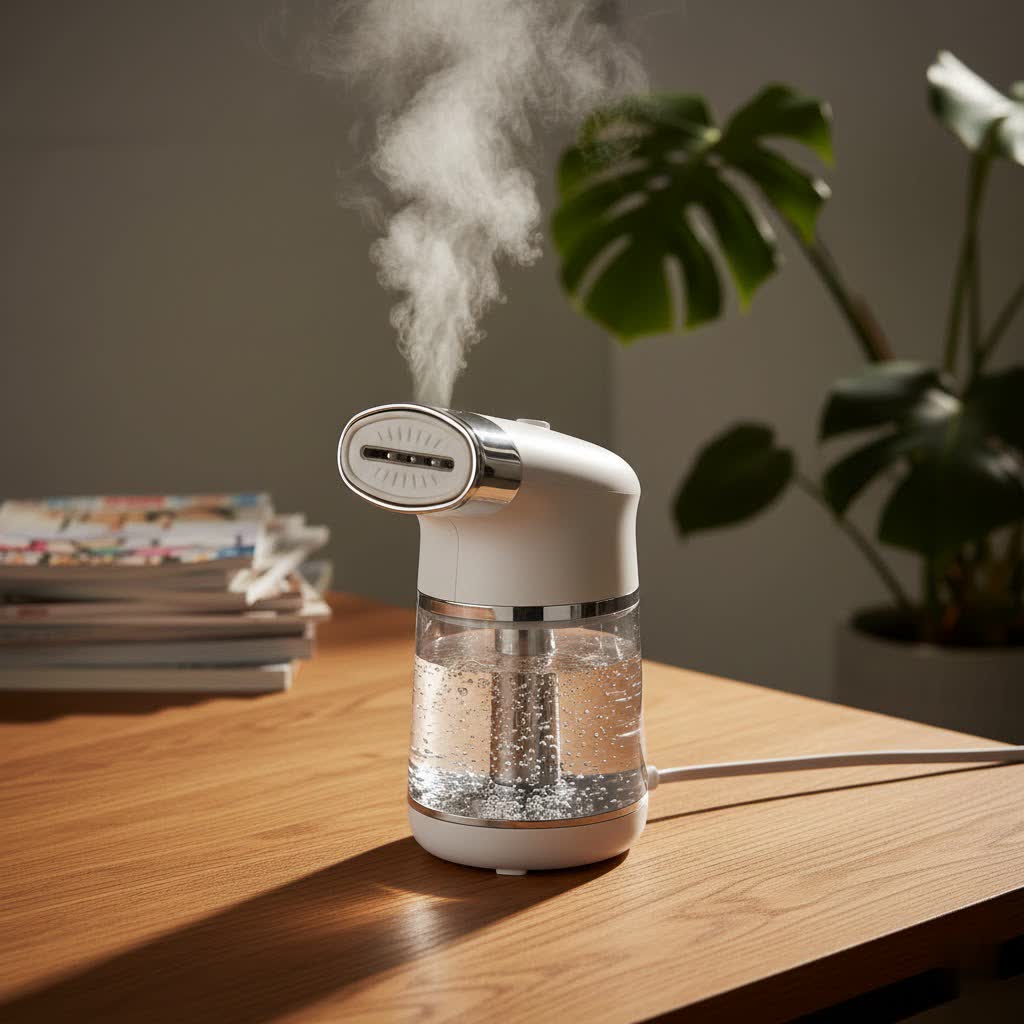
The Transformative Benefits of a Garment Steamer
Garment steamers offer a compelling alternative to traditional ironing, providing a host of advantages that make fabric care simpler and more effective. Their popularity stems from their ability to deliver professional-looking results with minimal effort.
Time and Effort Savings
Bảng trống.One of the most appealing aspects of a garment steamer is the significant time it saves. Unlike irons that require an ironing board and often multiple passes, steamers heat up rapidly, typically within 30-60 seconds, and can de-wrinkle clothes directly on a hanger. This speed makes them ideal for last-minute touch-ups before a meeting or a night out. Steaming is also generally easier technique-wise; you simply hold the nozzle over the fabric, allowing the steam to do the work, eliminating the need for precise movements or wrestling with layers. [cite: 1, 2, 3 – search result 1 for ‘garment steamer vs iron’, search result 2 for ‘garment steamer vs iron’, search result 2 for ‘best garment steamers reviews’]
Fabric Protection and Longevity
Garment steamers are considerably gentler on fabrics compared to the direct heat and pressure of an iron. The steam relaxes the fibers, smoothing out wrinkles without flattening or scorching the material. This makes them particularly safe for delicate fabrics like silk, satin, chiffon, wool, cashmere, and polyester, which can be easily damaged by an iron’s hot plate. It also prevents the “shine” that sometimes appears on certain fabrics after ironing. By being less aggressive, steaming helps preserve the integrity and lifespan of your garments. [cite: 1, 4 – search result 1 for ‘garment steamer vs iron’, search result 4 for ‘garment steamer vs iron’]
Odor Elimination and Sanitization
Beyond wrinkle removal, the hot steam emitted by a garment steamer can do wonders for freshening your clothes. It helps to eliminate lingering odors, making it perfect for items that aren’t quite ready for a full wash but need a refresh. Additionally, the high temperature of the steam can kill up to 99.9% of bacteria and even some viruses, including flu viruses (requiring a heat of at least 167 degrees Fahrenheit), offering a sanitizing benefit for clothes, upholstery, and curtains. [cite: 4 – search result 4 for ‘garment steamer vs iron’, search result 4 for ‘garment steamer buying guide’]
Versatility Beyond Clothing
A garment steamer isn’t just for your shirts and dresses. Its versatility extends to various household textiles. You can use it to smooth out wrinkles from curtains, drapes, bed skirts, tablecloths, and even refresh upholstered furniture. This makes a steamer a multi-functional tool for maintaining a polished look throughout your home. [cite: 3 – search result 3 for ‘garment steamer market trends and forecast’, search result 5 for ‘how to use a garment steamer’]
Garment Steamer vs. Traditional Iron: Which Is Right for You?
The choice between a garment steamer and a traditional iron often depends on the type of fabric, the desired finish, and your lifestyle. While both aim to remove wrinkles, they achieve it through different mechanisms.
When to Choose a Steamer
A garment steamer excels at quick, convenient wrinkle removal and is the preferred choice for a natural, relaxed finish. It is ideal for:
- Delicate Fabrics: Silks, satins, wool, cashmere, lace, and synthetic blends that can be easily damaged by an iron. [cite: 3, 4 – search result 3 for ‘garment steamer vs iron’, search result 4 for ‘garment steamer vs iron’]
- Structured Clothing: Items with pleats, ruffles, sequins, or intricate embellishments where an iron would be difficult or risky to use.
- Quick Touch-Ups: When you need to quickly refresh an outfit before heading out.
- Large Items: Curtains, drapes, and bed linens, which are cumbersome to iron.
- Travel: Portable handheld steamers are perfect for de-wrinkling clothes on the go.
- Odor Removal: Freshening clothes between washes or dry cleaning.
When an Iron Still Shines
Despite the rise of steamers, the traditional iron still holds its ground for specific tasks and fabrics where a crisp, sharp finish is paramount. An iron is better suited for:
- Crisp Finishes: Achieving sharp creases on dress shirts, trousers, and uniforms. [cite: 3 – search result 3 for ‘garment steamer vs iron’]
- Heavy Fabrics: Cotton, linen, and denim often require the heat and pressure of an iron to achieve a truly smooth, wrinkle-free look. [cite: 3 – search result 3 for ‘garment steamer vs iron’]
- Stubborn Wrinkles: Some deep-set wrinkles are best tackled with the direct heat and pressure an iron provides.
- Seam Pressing: Essential for sewing projects where flat, pressed seams are crucial.
The Hybrid Approach
Many households find that owning both a garment steamer and an iron offers the best of both worlds. The steamer handles daily touch-ups and delicate items, while the iron is reserved for formal wear and fabrics that demand a crisp, structured appearance. “I don’t think people understand how much you can get away with steaming things as opposed to ironing. You can steam the vast majority of your clothing and be pretty happy with the results,” says Zach Pozniak, a third-generation dry cleaner. [cite: 5 – search result 5 for ‘best garment steamers reviews’]
Exploring the Types of Garment Steamers
Garment steamers come in various forms, each designed to cater to different needs and lifestyles. Understanding the distinctions will help you choose the most suitable model.
Handheld Garment Steamers
- Advantages: These compact and lightweight devices are highly portable, making them excellent for travel, small living spaces, or quick touch-ups. They are easy to store and typically heat up very quickly. Handheld models are also a great entry point for those new to steaming. [cite: 2 – search result 2 for ‘garment steamer buying guide’]
- Disadvantages: Handheld steamers usually have smaller water tanks, meaning shorter continuous steaming times and more frequent refills. Their steam output might also be less powerful than upright models.
- Best For: Travelers, students, individuals with limited storage, and anyone needing a fast solution for a few items.
Upright (Standing) Garment Steamers
- Advantages: Upright steamers are more powerful, offering a greater steam output and larger water tanks, which allows for longer steaming sessions without interruption (some provide up to 90 minutes of continuous steam). [cite: 2, 4 – search result 2 for ‘garment steamer buying guide’, search result 4 for ‘garment steamer reviews’] They often come with built-in hangers, telescopic poles, and various attachments (like fabric brushes or mini ironing boards) for added convenience and versatility. [cite: 2 – search result 2 for ‘garment steamer buying guide’]
- Disadvantages: They are larger, heavier, and less portable, requiring more storage space.
- Best For: Households with a large wardrobe, frequent steaming needs, or for tackling big items like curtains and drapes.
Travel Garment Steamers
This is essentially a specialized sub-category of handheld steamers. They are designed with ultimate portability in mind, often featuring foldable handles and universal voltage compatibility. While convenient for travel, their water tank capacity and steam output are typically the lowest among all types. [cite: 2 – search result 2 for ‘best garment steamers reviews’]
Your Comprehensive Buying Guide to Garment Steamers
Choosing the right garment steamer involves considering several factors to ensure it meets your specific requirements.
Identify Your Needs
Before diving into specifications, think about how you’ll primarily use the steamer.
- Fabric Types: Do you mostly steam delicate silks or sturdy cottons?
- Frequency of Use: Daily touch-ups or occasional wrinkle removal for special occasions?
- Portability: Do you need a travel-friendly option, or will it stay at home?
- Volume: Are you steaming one outfit or multiple garments and household items?
Power and Steam Output
These are critical indicators of a steamer’s performance.
- Wattage: Higher wattage generally means faster heat-up times and stronger, more consistent steam. For home use, a range of 1,000 to 2,000 watts is considered optimal. [cite: 1, 2 – search result 1 for ‘garment steamer buying guide’, search result 2 for ‘garment steamer buying guide’]
- Steam Flow Rate (g/min): This measures the amount of steam produced per minute. A higher steam output (e.g., 20-30 g/min for handheld, 40+ g/min for upright) translates to more efficient wrinkle removal. [cite: 2, 3 – search result 3 for ‘best garment steamers reviews’, search result 2 for ‘garment steamer buying guide’]
Water Tank Capacity and Heat-Up Time
- Water Tank Capacity: A larger tank means longer continuous steaming without refilling. Handhelds might offer 8-15 minutes of steam, while upright models can provide 60-90 minutes. Consider if the tank is easily removable and refillable even during operation. [cite: 2 – search result 2 for ‘garment steamer buying guide’]
- Heat-Up Time: Look for models that heat up quickly. Many quality steamers are ready in 25-60 seconds, which is crucial for busy mornings. [cite: 2, 5 – search result 2 for ‘best garment steamers reviews’, search result 5 for ‘garment steamer vs iron’]
Essential Features and Accessories
Modern garment steamers come with various features that enhance usability and effectiveness.
- Continuous Steam Lock: Allows you to steam without continuously holding down a trigger.
- Auto Shut-Off: A safety feature that turns off the steamer when the water runs out or it overheats.
- Anti-Drip/Leakproof Design: Prevents water from spitting or leaking onto your clothes, especially when steaming horizontally. [cite: 2, 4 – search result 2 for ‘best garment steamers reviews’, search result 4 for ‘garment steamer reviews’]
- Multiple Steam Settings: Useful for tailoring steam output to different fabric types.
- Attachments: Fabric brushes (to remove lint and open up fabric weaves), creaser tools (for subtle pleats), and lint removers are common and highly useful accessories. [cite: 2, 4 – search result 2 for ‘best garment steamers reviews’, search result 4 for ‘garment steamer reviews’]
- Hangers/Telescopic Poles: Standard for upright models, providing convenience.
- Disinfection Capability: Some advanced models are designed to effectively sanitize fabrics. [cite: 4 – search result 4 for ‘garment steamer buying guide’]
Brand Reputation and Budget
Reputable brands often offer better durability, warranty, and customer support. While more expensive models may have advanced features, you can find quality garment steamers for under $200. [cite: 3 – search result 3 for ‘garment steamer buying guide’] Reading reviews from trusted sources can provide insight into real-world performance.
Mastering Your Garment Steamer: A Step-by-Step Usage Guide
Using a garment steamer correctly ensures optimal results and prolongs the life of your appliance and garments.
Preparation is Key
- Fill the Water Tank: Always start with cold, fresh water. While tap water is often acceptable, using distilled or demineralized water is highly recommended, especially in hard water areas, to prevent mineral buildup and extend the steamer’s lifespan. Fill the tank to the indicated max line and ensure it’s securely closed. [cite: 1 – search result 1 for ‘how to use a garment steamer’]
- Plug In and Heat Up: Plug the steamer into an electrical outlet. Allow it to heat up completely before use; wait until a steady stream of steam is consistently emitted, not just the first wisps. This usually takes 25-60 seconds for handheld models and slightly longer for upright ones. [cite: 3, 5 – search result 3 for ‘how to use a garment steamer’, search result 5 for ‘garment steamer vs iron’]
- Hang Your Garment: Hang the item you wish to steam on a sturdy hanger. For best results, hang it somewhere accessible, away from walls or other items, ensuring you have enough room to move around it. A shower rod or door hook works well. [cite: 1, 2 – search result 1 for ‘how to use a garment steamer’, search result 2 for ‘how to use a garment steamer’]
Steaming Techniques for Different Fabrics
- Hold Fabric Taut: One of the most common mistakes is steaming loosely hanging fabric. To effectively remove wrinkles, gently pull the bottom hem of the garment with your free hand to keep the fabric taut. This stretches the fibers, allowing the steam to work more efficiently and set them into a smooth position as they dry. [cite: 2, 3, 4 – search result 2 for ‘how to use a garment steamer’, search result 3 for ‘how to use a garment steamer’, search result 4 for ‘how to use a garment steamer’]
- Move from Top to Bottom: Start at the top of the garment and slowly move the steamer nozzle downwards, using long, even strokes. For handheld models, press the steam button as you go. Upright steamers often provide continuous steam. [cite: 1, 2, 4 – search result 1 for ‘how to use a garment steamer’, search result 2 for ‘how to use a garment steamer’, search result 4 for ‘how to use a garment steamer’]
- Nozzle Placement: For most fabrics like cotton, wool, and synthetics, you can lightly brush the fabric with the steamer nozzle. However, for delicate materials such as silk, chiffon, velvet, or embroidered items, steam from the underside of the fabric (inside out) and hold the nozzle at least an inch away to prevent watermarks or crushing. Always check care labels or test on an inconspicuous area if unsure. [cite: 5 – search result 5 for ‘how to use a garment steamer’]
- Work in Sections: Tackle one section of the garment at a time, moving methodically around the item.
Post-Steaming Care
After steaming, allow the garment to air dry for 5-10 minutes before wearing or putting it back in your closet. This allows the fibers to fully relax and cool, setting the wrinkle-free state and preventing new creases from forming immediately. [cite: 4 – search result 4 for ‘how to use a garment steamer’]
Troubleshooting Common Garment Steamer Issues
Even the most reliable garment steamers can encounter occasional issues. Here’s how to address some common problems:
No Steam Output
- Check Water Level: The most common reason. Ensure the water tank has sufficient water.
- Allow Full Heat-Up: The steamer might not have reached its operating temperature yet. Wait until steam is consistently produced.
- Clogging: Mineral buildup from hard water can block the nozzle. Refer to the “Cleaning and Maintenance” section below.
- Power Connection: Ensure the unit is properly plugged in and the outlet is working.
Water Leaking or Spitting
- Overfilling: Avoid filling the water tank beyond the maximum indicated level.
- Tilting too Much (Handheld): Some handheld steamers are designed for vertical use only. Excessive tilting can cause water to leak. Look for models with anti-drip or leakproof technology if horizontal steaming is a priority.
- Insufficient Heat-Up: If the steamer hasn’t fully heated, the water may not be converting to steam efficiently, leading to spitting.
- Mineral Buildup: Clogged internal components can cause water to sputter.
Clogging and Mineral Buildup
- Use Distilled Water: The best preventative measure against mineral buildup.
- Descaling: Regularly descale your steamer according to the manufacturer’s instructions. This usually involves running a solution of equal parts white vinegar and water through the steamer, followed by several cycles of plain water.
Essential Safety Tips for Garment Steamer Use
Safety is paramount when using any electrical appliance that generates heat and steam.
- Keep Out of Reach of Children and Pets: The hot steam and appliance can cause severe burns.
- Never Point at Yourself or Others: Avoid directing the steam at any part of your body.
- Use in a Well-Ventilated Area: While steaming, especially for longer periods, ensure adequate air circulation.
- Avoid Overfilling: Always adhere to the maximum fill line on the water tank.
- Unplug When Not in Use: Always unplug the steamer immediately after use and before refilling or cleaning.
- Do Not Use Near Water: Avoid using the steamer near sinks, bathtubs, or other water sources.
- Let it Cool Completely: Allow the steamer to cool down completely before storing it or disassembling for cleaning.
- Inspect Regularly: Check the power cord and nozzle for any signs of damage before each use.
- Do Not Operate on Yourself or While Wearing Clothes: Steam clothes while they are on a hanger, not while you are wearing them.
Conclusion
The garment steamer has undoubtedly earned its place as an indispensable tool for modern fabric care. From its ability to quickly erase wrinkles and refresh garments to its gentle touch on delicate fabrics and sanitizing properties, it offers a wealth of benefits that an iron simply cannot match. Whether you opt for a portable handheld model for convenience or a powerful upright steamer for extensive use, understanding its features and proper usage will ensure your clothes remain impeccable and well-cared for. So, are you ready to embrace the ease and efficiency of a garment steamer and elevate your fabric care routine?
Frequently Asked Questions
Can a garment steamer completely replace an iron?
While a garment steamer is excellent for quick wrinkle removal and delicate fabrics, it generally cannot completely replace an iron for tasks requiring crisp creases or a perfectly flat finish, such as formal shirts or heavy cottons. Many users find a steamer complements an iron, providing the best solution for different garments. [cite: 3 – search result 3 for ‘garment steamer buying guide’]
What kind of water should I use in my garment steamer?
It is generally recommended to use distilled or demineralized water in your garment steamer, especially if you live in an area with hard water. This prevents mineral buildup, which can clog the steamer and reduce its lifespan. Some manufacturers state tap water is acceptable, but distilled water is always safer for longevity. [cite: 1 – search result 1 for ‘how to use a garment steamer’]
How long does it take for a garment steamer to heat up?
Most modern garment steamers heat up very quickly. Handheld models can be ready to use in as little as 25-60 seconds, while larger upright models may take slightly longer, typically around 60 seconds. Always wait until the steamer produces a consistent flow of steam before starting. [cite: 2, 5 – search result 2 for ‘best garment steamers reviews’, search result 5 for ‘garment steamer vs iron’]
Are garment steamers safe for all fabrics?
Garment steamers are safe for most fabrics, especially delicate ones like silk, satin, wool, cashmere, and polyester, as the steam is gentler than direct heat. For very delicate materials, it’s best to steam from the underside of the fabric and hold the nozzle slightly away. Always check the garment’s care label if you’re unsure. [cite: 1, 5 – search result 1 for ‘garment steamer vs iron’, search result 5 for ‘how to use a garment steamer’]
How often should I clean my garment steamer?
The frequency of cleaning depends on your water type and usage. If you use distilled water, less frequent cleaning is needed. If using tap water, especially hard water, regular descaling (e.g., once a month or every few weeks) is crucial to prevent mineral buildup and maintain optimal performance. Refer to your owner’s manual for specific cleaning instructions.