Tired of the endless battle against wrinkles, often resorting to a cumbersome ironing board and the risk of scorching your favorite clothes? Garment steamers have revolutionized the way we care for our wardrobes, offering a quick, gentle, and highly effective solution to keep your garments looking fresh and pristine. Whether you’re a busy professional needing a rapid touch-up before a meeting, a frequent traveler, or simply someone seeking a simpler way to maintain your clothes, finding a Good Garment Steamer can be a game-changer. This comprehensive guide will walk you through everything you need to know, from the benefits and types available to a detailed buying guide and usage tips, ensuring you pick the perfect model to meet your needs and budget.
Garment Steamer: The Perfect Solution for Fresh Clothes
Garment steamers offer a compelling alternative to traditional irons, bringing numerous advantages to your daily routine. They use hot steam to relax fabric fibers, effortlessly smoothing out wrinkles without direct heat or pressure, which can be harsh on delicate materials.
Benefits of a Garment Steamer
- Gentle on Fabrics: Unlike irons that press and flatten fibers, steamers use steam to gently relax them, making them ideal for delicate fabrics like silk, chiffon, lace, and even intricately embellished garments that irons could damage. You avoid the risk of scorching, burning, or creating unwanted shiny spots.
- Time and Effort Saving: Steaming is significantly faster and less effort-intensive than traditional ironing. There’s no need for an ironing board, and garments can be steamed directly on a hanger. Most steamers heat up in under a minute, allowing for quick touch-ups on the go.
- Protects Fabric Integrity: By avoiding direct contact and intense heat, steamers help preserve the natural texture and longevity of your clothes. They don’t press in creases or flatten the natural drape of fabrics, which is especially beneficial for knits and tailored items.
- Odor Removal and Sanitization: The hot steam not only removes wrinkles but also penetrates fabric to kill bacteria and eliminate odors, leaving clothes refreshed and sanitized. This is particularly useful for refreshing garments between washes or dry cleaning sessions, extending their wear.
- Versatility Beyond Clothes: Many garment steamers can be used on a variety of household fabrics, including curtains, upholstery, bedding, and even pet beds, making them a versatile tool for maintaining freshness throughout your home.
Types of Garment Steamers
Garment steamers come in various forms, each designed to cater to different needs and lifestyles. Understanding the distinctions between them is crucial for making an informed choice.
Handheld Garment Steamers
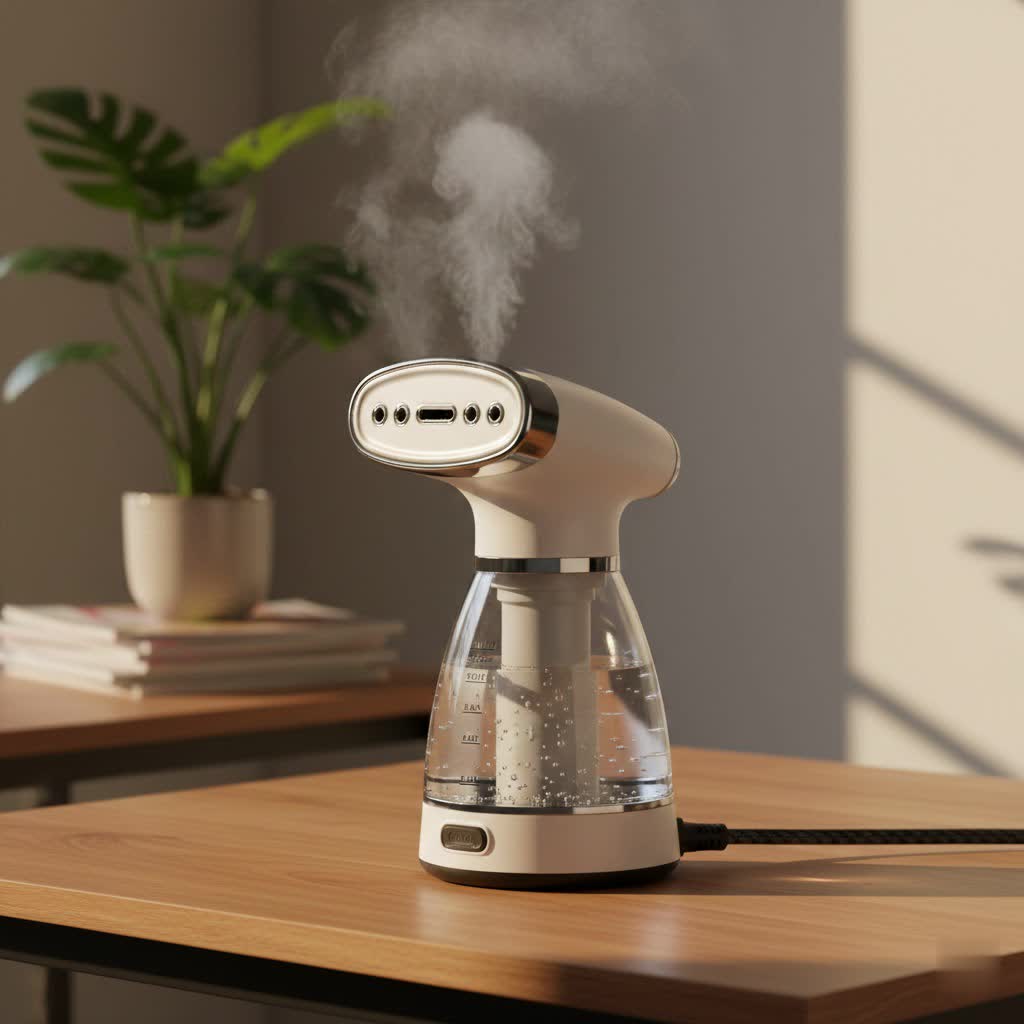
Handheld steamers are compact, lightweight devices perfect for quick de-wrinkling and portability.
- Advantages:
- Portability: Their small size makes them easy to store, carry, and pack for travel.
- Quick Heat-Up: Many models heat up in 30-60 seconds, ideal for last-minute touch-ups.
- Ease of Use: Simple to operate, often requiring just a press of a button.
- Affordability: Generally less expensive than upright models.
- Disadvantages:
- Smaller Water Tank: This means shorter continuous steaming times and more frequent refills, making them less suitable for large loads.
- Less Powerful Steam: While effective for light wrinkles, they might struggle with very thick fabrics or deep creases.
- Ergonomics: Can be tiring to hold for extended periods.
- Best For: Individuals who need to steam only a few items at a time, frequent travelers, or those with limited storage space.
Upright Garment Steamers
Upright steamers are larger, floor-standing units, typically with a telescopic pole and a built-in hanger.
- Advantages:
- Larger Water Tank: Offers significantly longer continuous steaming sessions, suitable for multiple garments or larger household items.
- Powerful and Consistent Steam Output: Designed for heavy-duty de-wrinkling, often with adjustable steam settings.
- Stability: The upright design with a hanger makes steaming easier and less physically demanding.
- Accessories: Often come with attachments like fabric brushes, crease tools, and lint removers.
- Disadvantages:
- Less Portable: Bulky and not designed for travel.
- Longer Heat-Up Time: Typically takes 45-60 seconds or more to heat up.
- Higher Price Point: Generally more expensive than handheld models.
- Best For: Households with large wardrobes, frequent steaming needs, or those who regularly steam curtains, drapes, and upholstery.
Travel Garment Steamers
While often a subset of handheld steamers, dedicated travel models are designed with specific features for globetrotters.
- Advantages:
- Extremely Compact: Minimized size and weight for easy packing.
- Dual-Voltage Compatibility: Essential for international travel.
- Fast Heat-Up: Prioritizes quick performance for on-the-go use.
- Disadvantages:
- Very Small Water Tank: Very short run times, typically only enough for 1-2 garments.
- Lower Power: May not be as effective on stubborn wrinkles or heavier fabrics.
- Best For: Business travelers, vacationers, or anyone who needs to quickly refresh clothes while away from home.
Comparison of Popular Garment Steamer Models
When evaluating which garment steamer is right for you, comparing specific models can be incredibly helpful. Here’s a look at some highly-rated options and their key features.
| Model / Type | Wattage (W) | Water Tank Capacity (ml/L) | Heat-Up Time (s) | Run Time (min) | Key Features / Notes |
|---|---|---|---|---|---|
| Conair Turbo ExtremeSteam (Handheld) | 1875 | 215 ml | 40 | 17 | Continuous steam, multiple fabric settings, removes wrinkles effectively. |
| Electrolux Garment Steamer (Handheld) | ~1500 | ~150-200 ml | Instant | ~8-10 | Immediate heat-up, effective steaming power, long power cord. |
| Beautural Foldable Handheld Steamer (Handheld) | 1200-1500 | 250 ml | 30 | 15 | Budget-friendly, foldable design, transparent reservoir, quick heat-up. |
| Pure Enrichment PureSteam Pro (Upright) | 1500 | 2 L | 45 | 60 | Large tank, continuous steam, telescopic pole with hanger. |
| CHI SteamPress 3-in-1 (Dual-Purpose) | 1000-1200 | ~130-150 ml | 40 | 8-10 | Combines steamer and iron functionality, versatile for different finishes. |
| Philips 3000 Series (Handheld/Travel) | 1000 | 120 ml | 30 | 5 | Compact, rapid de-creasing for lightweight materials, travel case. |
| PEAMS PS950 (Upright) | ~1500 | 2.5 L | 60 | 60+ | Large tank for extended use, four levels of steam adjustment, fabric brush, pants press. |
| Russell Hobbs Steam Genie 2-in-1 (Handheld/Hybrid) | 1700 | 150 ml | 60 | 10 | Doubles as a flat iron, powerful output, steam-trigger function for stubborn creases. |
Note: Specifications can vary slightly by specific model version and region.
How to Choose a Good Garment Steamer (Buying Guide)
Choosing the best garment steamer involves more than just picking the prettiest model. Consider these factors to ensure it aligns with your specific needs.
Determine Your Usage Needs
- Frequency and Volume: How often will you use it? For daily use on many items, an upright steamer with a large tank is ideal. For occasional use or quick touch-ups, a handheld model suffices.
- Fabric Types: If you primarily steam delicate fabrics, most steamers will work well. For heavier materials like denim, linen, or wool, look for models with higher wattage and powerful, consistent steam output.
- Portability: Do you need a steamer for travel? A compact handheld or dedicated travel steamer is essential. For home use, an upright model offers convenience.
Power (Wattage)
Wattage indicates the steamer’s heating capability and steam production. A higher wattage typically means faster heat-up times and more powerful, consistent steam. For home use, a range of 1000 to 2000 watts is generally optimal. Handheld steamers might be closer to the lower end, while upright models will be at the higher end.
Water Tank Capacity and Run Time
The water tank size directly impacts how long you can steam continuously without refilling.
- Handhelds: Typically have tanks from 100ml to 300ml, offering 5-15 minutes of steam.
- Uprights: Can range from 1 Liter to 2.5 Liters or more, providing 30 minutes to over an hour of continuous steam.
Consider your average steaming session length. If you do multiple garments at once, a larger tank will save you time and hassle.
Steam Output (Grams per Minute)
This metric (g/min) measures the amount of steam produced, directly correlating with wrinkle removal efficiency. Higher steam output generally translates to faster and more effective de-wrinkling, especially for tougher fabrics. Look for models with a strong and consistent steam flow.
Heat-Up Time
Most modern steamers heat up quickly, ranging from 15 seconds to 2 minutes. For those who need to get ready fast, a steamer with a rapid heat-up time is a significant advantage.
Key Features
- Continuous Steam Lock: Allows you to release steam without constantly holding down a trigger, reducing hand fatigue.
- Automatic Shut-Off: A crucial safety feature that turns off the steamer if it runs out of water or overheats.
- Anti-Drip/Leak-Proof Design: Prevents water from spitting or dripping onto your clothes, especially when steaming at different angles.
- Multiple Steam Settings: Useful for tailoring steam intensity to various fabric types.
- Attachments: Fabric brushes help open fabric weave for better steam penetration and remove lint. Crease attachments can help create sharper lines.
- Hose Length (for Upright Models): A longer hose offers greater reach and flexibility.
- Cord Length: A sufficiently long power cord provides more freedom of movement.
- Dual-Voltage: Essential for travel steamers used internationally.
Brand Reputation and Price
Stick to reputable brands known for quality and customer service. While more expensive models often come with advanced features and durability, excellent quality garment steamers can be found for under $100 for handhelds and $200-$300 for uprights. Read reviews and compare features to find the best value for your budget.
How to Use a Garment Steamer Correctly
Using a garment steamer is straightforward, but a few tips can enhance efficiency and safety.
Preparation Before Steaming
- Fill the Water Tank: Use distilled or demineralized water to prevent mineral buildup and extend the life of your steamer.
- Hang the Garment: Hang your item on a sturdy hanger. For best results, use a hanger with clips for pants or skirts, or a padded hanger for delicate tops.
- Check Fabric Label: While steamers are generally safe for most fabrics, it’s always good practice to check the care label. Avoid steaming suede, waxed jackets, or garments that are explicitly “dry clean only” unless specifically instructed otherwise.
- Heat Up: Plug in the steamer and wait for it to heat up until the indicator light signals it’s ready.
Steaming Techniques for Different Fabrics
- General Technique: Hold the steamer nozzle a few inches away from the fabric. Gently pull the bottom of the garment taut with your free hand to create a flat surface. Move the steamer vertically from top to bottom.
- Delicate Fabrics (Silk, Chiffon): Keep the nozzle slightly further away and use lighter, faster strokes to avoid over-saturating the fabric.
- Heavier Fabrics (Linen, Cotton, Wool): You can hold the nozzle closer and use slower passes. The fabric brush attachment can help open up the weave for deeper steam penetration.
- Collars, Cuffs, and Hems: Use a pressing motion with a fabric brush attachment or gently press the fabric against a clean surface for a crisp finish.
- Inside Out: For printed or embellished garments, steam them inside out to protect the design.
Cleaning and Maintenance of Your Garment Steamer
Regular maintenance ensures longevity and optimal performance.
- Empty Water Tank: Always empty any remaining water after each use and allow the tank to air dry.
- Decalcify: Depending on your water hardness and frequency of use, descale your steamer every few months. Many manufacturers recommend a vinegar solution or specialized descaling products. Follow your manual’s instructions.
- Wipe Down Exterior: Keep the exterior clean with a damp cloth.
- Store Properly: Store the steamer in a dry place, ensuring the hose (for upright models) is not kinked.
Common Garment Steamer Issues and How to Fix Them
Even good garment steamers can encounter occasional issues. Here are some common problems and their solutions:
- Steamer Not Producing Steam:
- Check Water Level: The tank might be empty or below the minimum level.
- Allow Time to Heat Up: Ensure the steamer has reached its operating temperature.
- Check for Blockages: Mineral buildup in the nozzle can restrict steam flow. Decalcify the unit.
- Power Connection: Ensure it’s properly plugged in and the outlet is working.
- Water Leaking or Spitting:
- Overfilling the Tank: Avoid filling past the maximum line.
- Tilting the Steamer Too Much: Especially with handheld models, keeping it upright prevents leaks.
- Mineral Buildup: Descaling can resolve issues caused by internal blockages.
- Condensation: A small amount of water might condense in the hose; this is normal. Point the nozzle away from clothing until steam is consistent.
- Machine Not Turning On:
- Power Source: Confirm the power cord is securely plugged into a functional outlet.
- Safety Shut-off: The steamer might have automatically shut off due to low water or overheating. Let it cool down and refill the tank.
Safety Considerations When Using a Garment Steamer
Garment steamers use hot steam, so safety is paramount.
- Keep Out of Reach of Children and Pets: The hot steam and surfaces can cause severe burns.
- Never Use Near Water Sources: Avoid using the steamer over sinks, tubs, or any wet surfaces to prevent electric shock.
- Do Not Overfill: Overfilling the water tank can lead to leaks and electrical hazards.
- Avoid Direct Skin Contact: Never direct the steam at yourself, others, or pets. Always use it on garments.
- Allow to Cool Before Storing: Ensure the steamer has completely cooled down before putting it away to prevent burns or fire hazards.
- Unplug When Not in Use: Always unplug the steamer when refilling the water tank, performing maintenance, or when finished using it.
- Use on Stable Surfaces: For upright models, ensure they are on a stable, flat surface to prevent tipping.
Conclusion
Choosing a good garment steamer significantly enhances your clothing care routine, offering a gentle, efficient, and quick way to keep your garments wrinkle-free and refreshed. From compact handhelds perfect for travel to powerful upright models designed for heavy-duty use, there’s a steamer for every need. By considering factors like wattage, water tank capacity, heat-up time, and specific features, you can confidently select a model that will serve you well for years to come. Embrace the convenience and care that a quality garment steamer brings to your life, and say goodbye to stubborn wrinkles for good.
What kind of fabrics do you find most challenging to de-wrinkle, and how has a garment steamer helped you?
Frequently Asked Questions
Can a garment steamer completely replace an iron?
While a garment steamer is excellent for de-wrinkling most fabrics, refreshing clothes, and sanitizing, it generally won’t completely replace an iron, especially for thick fabrics or garments that require sharp creases like dress shirts or tailored trousers. Irons are better for flattening very deep-set wrinkles and creating crisp lines, whereas steamers are best for delicate fabrics and a softer finish.
How often should I descale my garment steamer?
The frequency of descaling depends on the hardness of your water and how often you use the steamer. If you use hard tap water daily, you might need to descale monthly. If you use distilled water, you may only need to do it every few months or when you notice a reduction in steam output or mineral residue. Always refer to your steamer’s instruction manual for specific guidance.
Is it safe to use tap water in a garment steamer?
Most manufacturers recommend using distilled or demineralized water in garment steamers. Tap water, especially hard water, contains minerals that can build up inside the steamer’s heating element and nozzle over time, leading to blockages, reduced performance, and a shorter lifespan for the appliance. Using distilled water helps prevent these mineral deposits.