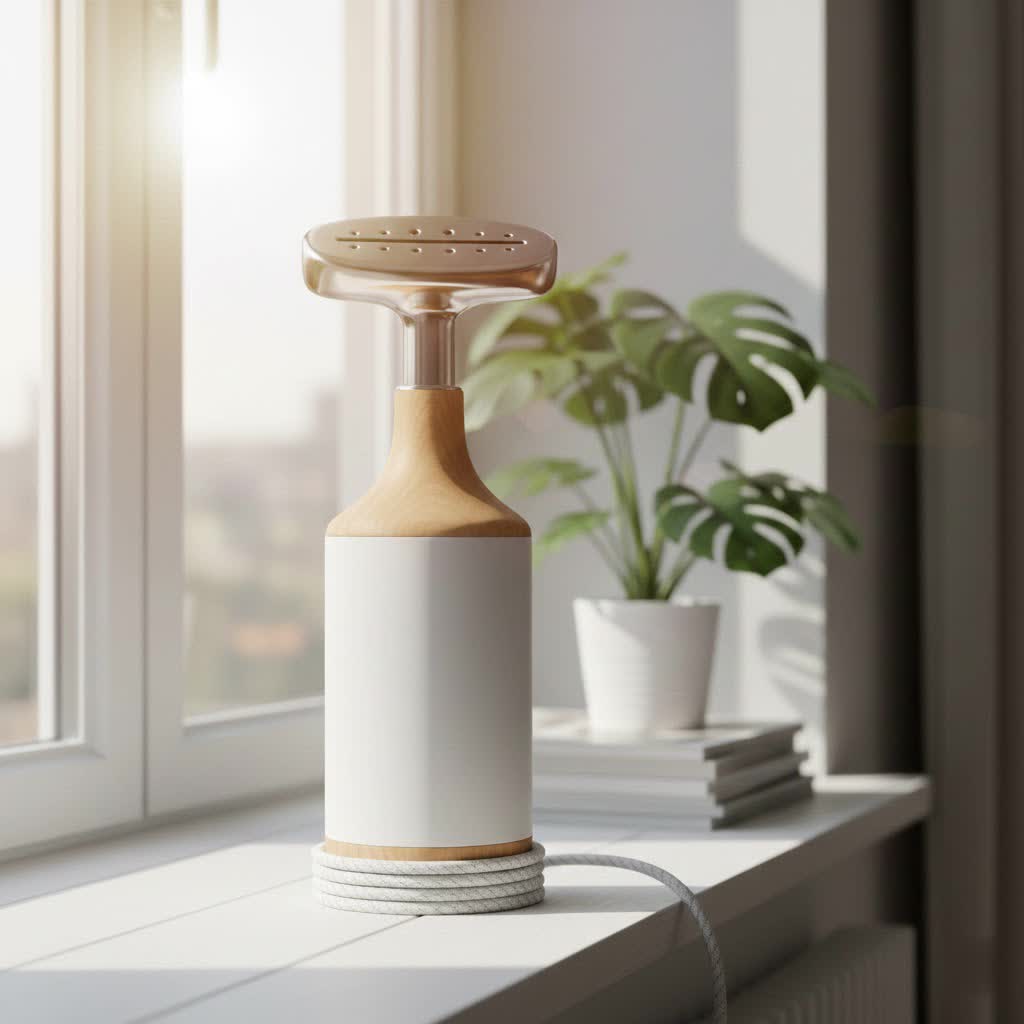
Are you tired of battling stubborn wrinkles with a cumbersome iron and ironing board, sacrificing precious time and risking damage to your favorite clothes? Imagine a world where perfectly smooth garments are just a few quick passes away, whether you’re at home, prepping for a big meeting, or traveling the globe. This is the reality a Handheld Garment Steamer offers. These compact powerhouses have revolutionized how we approach wrinkle removal, making it faster, gentler, and infinitely more convenient than traditional methods. If you’re looking to elevate your wardrobe care and embrace a more efficient way to keep your clothes looking their best, you’ve come to the right place. We’ll explore everything you need to know about handheld garment steamers, from their undeniable benefits and top features to how to choose the perfect model and master the art of steaming.
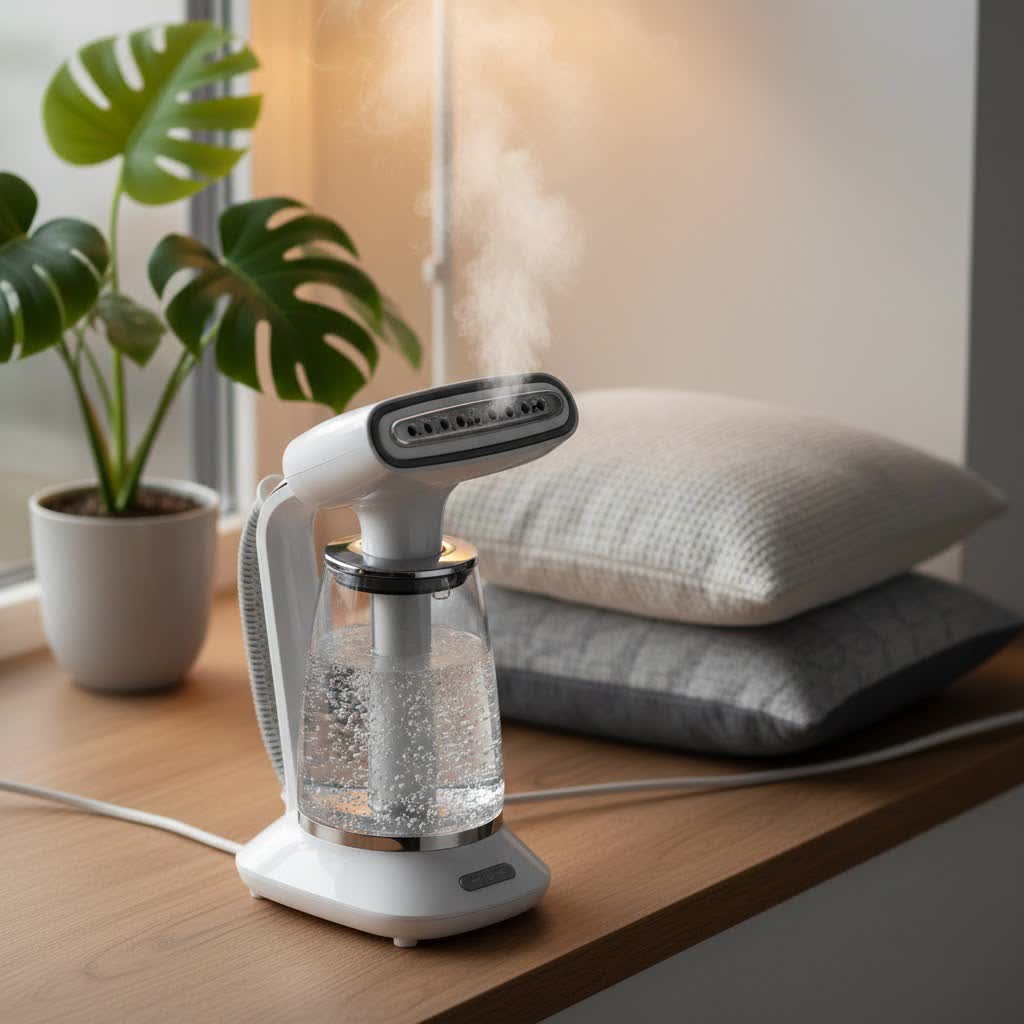
Why Handheld Garment Steamers Are a Game Changer
Handheld garment steamers offer a compelling alternative to traditional ironing, addressing many pain points of conventional methods.
Unmatched Convenience and Time-Saving Efficiency
Bảng trống.Unlike irons that demand an ironing board and a significant time commitment, handheld steamers are ready to go in under a minute for most models. Their quick heat-up times and portability mean you can de-wrinkle a shirt or dress right on its hanger, saving you valuable minutes during a busy morning rush or before an unexpected outing. They are ideal for quick touch-ups and refreshing clothes without the hassle.
Gentle Fabric Care
Traditional irons use direct heat and pressure, which can scorch delicate fabrics like silk, chiffon, or synthetics, and even create unwanted shiny spots on wool or dark materials. Steamers, however, use continuous steam to relax fabric fibers, gently smoothing out wrinkles without direct contact or intense heat. This makes them significantly safer for a wide array of materials, preserving their integrity and extending the life of your garments. They are also excellent for refreshing clothes between washes or dry cleanings, removing odors and killing bacteria.
Versatility Beyond Your Wardrobe
While excellent for clothes, handheld steamers are incredibly versatile tools for freshening up other textiles around your home. Use them to smooth out curtains, drapes, tablecloths, upholstery, and even bedding. Their sanitizing capabilities can also help eliminate dust mites and allergens from fabrics, contributing to a cleaner and healthier living environment.
Exploring Types of Garment Steamers
While this guide focuses on handheld models, it’s helpful to understand the broader landscape of garment steamers.
Handheld Garment Steamers
These are the stars of the show – compact, lightweight, and designed for maximum portability and quick use.
- Pros: Highly portable, quick heat-up, easy to store, excellent for travel and quick touch-ups. Many models can sanitize and deodorize.
- Cons: Smaller water tanks often require frequent refills, less powerful steam output than upright models, might struggle with very deep creases on heavy fabrics compared to an iron.
- Best for: Travelers, individuals with small living spaces, those needing quick wrinkle removal, and delicate fabrics.
Upright Garment Steamers
Larger, more powerful units typically feature a water tank on a wheeled base, a telescopic pole with a hanger, and a long steam hose with a nozzle.
- Pros: Larger water capacity for longer steaming sessions, more powerful and consistent steam output, often come with various attachments.
- Cons: Less portable, take up more storage space, longer heat-up times.
- Best for: Households with large volumes of clothing to steam regularly, professional use, and heavier fabrics.
Travel Garment Steamers
Often a specialized sub-category of handheld steamers, these are designed to be exceptionally compact and lightweight, sometimes with dual voltage capabilities for international travel. Their features align closely with handheld models, prioritizing portability above all else.
Choosing Your Ideal Handheld Garment Steamer: A Comprehensive Buying Guide
Selecting the right handheld garment steamer depends largely on your specific needs and priorities. Consider these key factors to make an informed decision.
Determine Your Usage Needs
Think about how and where you’ll use your steamer most.
- Fabric Types: Do you primarily need to de-wrinkle delicate silks and chiffons, or heavier cottons and linens? More powerful steamers handle tougher fabrics better.
- Frequency: Will you use it daily for quick touch-ups or occasionally for special garments and travel? For frequent use, a larger water tank and robust build quality are beneficial.
- Portability: Is travel a major factor? Look for truly lightweight, compact models, potentially with dual voltage and a travel pouch.
Wattage and Steam Power
Wattage directly correlates with a steamer’s heating speed and steam output.
- Recommendation: Look for models with at least 1200 watts for effective and consistent steam. Higher wattage often means faster heat-up times and more powerful steam bursts, which translate to quicker wrinkle removal. Some professional-grade handheld models can go up to 1500 watts or more.
Water Tank Capacity and Continuous Steam Time
The size of the water tank dictates how long you can steam before refilling.
- Smaller Tanks (around 100-150ml): Offer 5-8 minutes of continuous steam, ideal for one or two garments or quick touch-ups. Excellent for travel.
- Larger Tanks (around 200-300ml): Provide 10-15 minutes or more of continuous steam, suitable for steaming multiple items without interruption.
- Consider: If you routinely steam more than 2-3 items, a larger tank will save you time and hassle.
Heat-Up Time
Most quality handheld steamers boast rapid heat-up times.
- Expectation: Look for models that heat up in 30-60 seconds. This instant readiness is a major advantage of handheld devices.
Essential Features
Modern handheld garment steamers come with various features that enhance usability and safety.
- Automatic Shut-Off: A crucial safety feature that turns the steamer off when the water runs out or if it overheats.
- Anti-Drip Technology: Prevents water spitting or leaking, especially when steaming at different angles, protecting your clothes from water spots.
- Continuous Steam Lock: Allows steam to be released without constantly holding down a button, reducing hand fatigue during longer sessions.
- Variable Steam Settings: Useful for different fabric types, offering lighter steam for delicates and stronger bursts for stubborn wrinkles.
- Attachments: Some steamers include fabric brushes (to help penetrate thicker fabrics), lint brushes, or crease tools, adding versatility.
- Long Power Cord: A longer cord offers more flexibility and reach, reducing the need to constantly switch outlets.
Reputable Brands
While many brands offer quality handheld steamers, some consistently receive high marks for performance and durability. Brands like Conair (ExtremeSteam, Turbo ExtremeSteam series), Philips, Rowenta, and Jiffy are often praised for their reliability.
Price Range
Handheld garment steamers typically range from $30 to $100+, depending on features, wattage, and brand. More expensive models often offer higher wattage, larger water tanks, advanced safety features, and a more durable build.
How to Use Your Handheld Garment Steamer for Best Results
Mastering the art of steaming is simple with these steps, ensuring your clothes look crisp and fresh every time.
Preparation Before Steaming
- Fill the Water Tank: Always use distilled water. Tap water contains minerals that can build up, clog your steamer, and leave white spots on your clothes.
- Heat it Up: Plug in your steamer and allow it to heat up fully. Most models have an indicator light that signals when it’s ready. Starting too early can result in spitting water instead of consistent steam.
- Hang the Garment: Hang your clothing on a sturdy hanger. A shower rod or the back of a door can provide a convenient steaming station. Ensure the garment hangs freely without touching walls or other surfaces.
Steaming Techniques for Various Fabrics
- Hold Fabric Taut: With one hand, gently pull the bottom of the garment taut. This helps straighten the fibers as the steam works its magic, leading to more effective wrinkle removal.
- Steam from Top to Bottom: Begin at the top of the garment and slowly work your way downwards, moving the steamer nozzle in vertical passes. Overlapping each pass slightly ensures even coverage.
- Maintain Distance: Hold the steamer head about 1-2 inches away from the fabric. While most steamers are safe for direct contact, maintaining a slight distance prevents accidental burns or moisture saturation.
- Target Stubborn Wrinkles: For persistent creases, you can lightly press the steamer head directly against the fabric while still pulling it taut. Some steamers come with a flat plate or an attachment for this purpose.
- Delicate Fabrics: For silks, satins, and other delicate materials, keep a slightly greater distance, and use quick, gentle passes. The steam alone is usually enough to relax these fibers.
- Heavy Fabrics: For cotton, linen, and denim, you might need slower passes, closer contact, and possibly a fabric brush attachment to help the steam penetrate deeper.
Cleaning and Maintenance
- Empty Water Tank: After each use, always empty any remaining water from the tank to prevent mineral buildup and bacterial growth.
- Descaling (Monthly): If you accidentally use tap water or notice white residue, descale your steamer. Consult your manual, but typically this involves steaming a solution of equal parts white vinegar and distilled water.
- Wipe Down: Wipe the exterior of the steamer and the nozzle with a damp cloth after it has cooled down.
- Store Properly: Store your steamer upright in a cool, dry place.
Common Problems and How to Fix Them
Even with the best handheld garment steamer, you might encounter minor issues. Here’s how to troubleshoot.
Steamer Not Producing Steam
- Check Water Level: Ensure the water tank is filled above the minimum line.
- Allow Full Heat-Up: The steamer needs adequate time to reach its optimal steaming temperature. Wait for the indicator light.
- Clogged Nozzle: Mineral buildup from tap water can clog the steam vents. Descale your steamer with distilled water and white vinegar.
Water Leaking or Spitting
- Overfilling Tank: Avoid filling the water tank past the maximum fill line.
- Not Fully Heated: If the steamer hasn’t reached full temperature, it might spit water. Wait for it to be ready.
- Holding Incorrectly: Most handheld steamers are designed to be held upright. Tilting them too much can cause water to leak. Look for models with 360° anti-drip technology for more flexibility.
- Mineral Buildup: Clogs can also cause spitting. Descale regularly.
Steamer Not Removing Wrinkles Effectively
- Fabric Not Taut: Always pull the fabric gently taut to help straighten fibers.
- Steaming Too Quickly: Slow down your passes to allow the steam to penetrate the fabric adequately.
- Insufficient Steam: Check if your steamer’s wattage is too low for the fabric type. For heavy materials, a more powerful steamer might be needed.
- Water Quality: Using tap water can reduce steam effectiveness over time due to mineral residue.
Safety Notes for Using Your Handheld Garment Steamer
Safety should always be a priority when using any electrical appliance that produces heat and steam.
- Keep Out of Reach of Children and Pets: The hot steam and appliance itself can cause severe burns.
- Never Use Near Water: Avoid using the steamer near sinks, bathtubs, or other water sources to prevent electrical shock.
- Do Not Overfill: Overfilling the water tank can lead to leaks and spills of hot water.
- Use on Hanging Garments: Never steam clothes while wearing them or while they are on another person.
- Allow to Cool: Always unplug the steamer and allow it to cool completely before storing or cleaning it.
- Avoid Direct Contact with Skin: The steam is extremely hot and can cause burns. Keep your hands and face away from the steam nozzle.
- Check Power Cord: Regularly inspect the power cord for any damage. Do not use if the cord is frayed or damaged.
Conclusion
Handheld garment steamers are an indispensable tool for modern living, offering a quick, efficient, and gentle solution for keeping your wardrobe and home textiles looking their best. From refreshing delicate blouses to smoothing out stubborn curtains, their convenience and versatility make them a must-have for anyone seeking to simplify their daily routine and extend the life of their garments. By understanding the key features, choosing a model that aligns with your needs, and following proper usage and maintenance guidelines, you can unlock the full potential of these compact wrinkle-fighting heroes. Ready to say goodbye to the ironing board and embrace the ease of effortless garment care?
What is the biggest challenge you face in keeping your clothes wrinkle-free?
Frequently Asked Questions
Can a handheld garment steamer replace a traditional iron entirely?
For many people, especially those who prioritize speed, convenience, and gentleness on fabrics, a handheld garment steamer can largely replace an iron. However, if you need crisp creases on formal wear or heavily starched shirts, a traditional iron may still be necessary to achieve that level of sharpness.
Is it safe to use a handheld garment steamer on all types of fabric?
Handheld garment steamers are generally safe for most fabrics, including delicate materials like silk, chiffon, lace, and synthetics, which can be easily damaged by an iron. Always check the garment care label, but for most textiles, steam is a gentler alternative to direct heat.
How long does a handheld garment steamer typically take to heat up?
Most modern handheld garment steamers are designed for rapid use, often heating up and being ready to produce steam in as little as 30 to 60 seconds. This quick heat-up time is one of their main advantages for fast touch-ups.
How often should I descale my handheld garment steamer?
If you consistently use distilled water, descaling may only be necessary every few months. However, if you use tap water, mineral buildup can occur more rapidly, requiring more frequent descaling (e.g., monthly) to maintain performance and prevent clogging.
Can a handheld steamer kill germs or remove odors from clothes?
Yes, the hot steam produced by garment steamers can effectively kill many germs, bacteria, and dust mites on fabrics. It also helps to neutralize odors by refreshing the fabric fibers, making it excellent for extending the wear of clothes between washes or dry cleaning.
What’s the ideal water capacity for a handheld garment steamer?
The ideal water capacity depends on your usage. For quick touch-ups or travel, a smaller tank (around 100-180ml) offering 5-10 minutes of steam is usually sufficient. If you plan to steam multiple garments, a larger tank (200-300ml+) providing 10-15+ minutes of continuous steam would be more convenient.
Why does my handheld steamer sometimes spit water instead of steam?
Water spitting is often caused by not allowing the steamer to fully heat up before use, or by mineral buildup clogging the nozzle. Ensure the steamer is fully ready before operating, and regularly descale it using distilled water and white vinegar to prevent clogs.