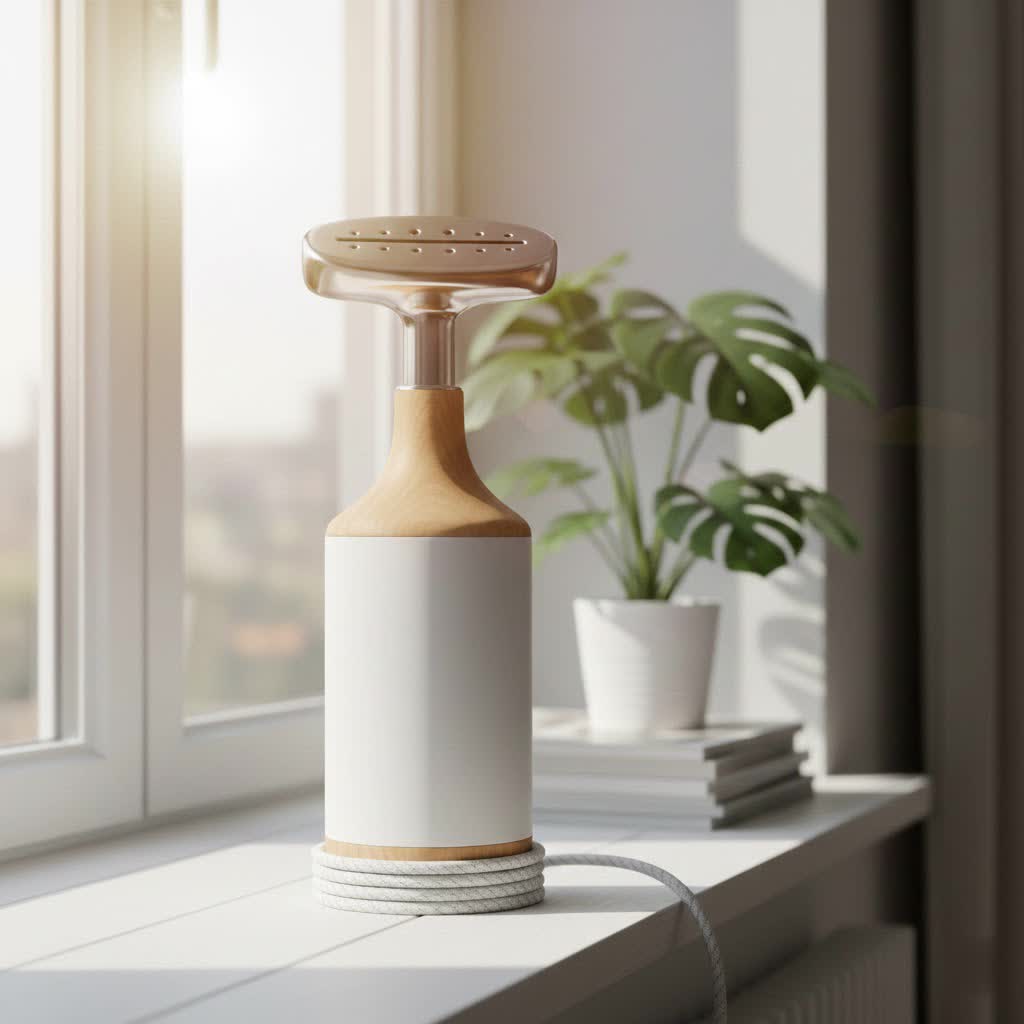
Are you tired of battling stubborn wrinkles with a traditional iron, or perhaps wary of damaging delicate fabrics? The garment steamer has emerged as a game-changer in modern fabric care, offering a fast, convenient, and gentle alternative to keep your clothes looking fresh and crisp. From quick morning touch-ups to sanitizing upholstery, these versatile appliances are transforming how we maintain our wardrobes and homes.
The Undeniable Benefits of a Garment Steamer
Bảng trống.For many, the thought of ironing conjures images of bulky boards and scorching risks. Garment steamers, however, present a compelling alternative with a host of advantages that streamline your routine and protect your cherished garments.
Compared to traditional ironing, steaming offers significant time and effort savings because there’s no need for an ironing board or complex setup. Simply fill the water tank, wait a few seconds for it to heat up, and glide the steamer over your clothes while they hang. This ease makes it perfect for those hurried mornings or last-minute touch-ups.
One of the most crucial benefits is its gentle approach to fabric care. Unlike an iron that applies direct heat and pressure, a steamer uses hot vapor to relax fabric fibers naturally, eliminating wrinkles without the risk of scorching, burning, or creating unwanted shine. This makes garment steamers ideal for delicate materials like silk, chiffon, lace, and even intricately embellished items that would be easily damaged by an iron. “Steaming preserves the natural characteristics that make your clothes look expensive and well-made,” notes one expert.
Beyond wrinkle removal, garment steamers provide excellent sanitization and deodorizing capabilities. The hot steam penetrates deep into fabric fibers, effectively killing bacteria, dust mites, and allergens, while also neutralizing odors from perspiration or prolonged storage. This means you can refresh jackets, suits, and other garments between washes, extending their wear and reducing your dry-cleaning bills. Moreover, their versatility extends beyond clothing; you can use a steamer to freshen curtains, drapes, upholstery, and even mattresses around your home, offering a hygienic boost to various textiles.
Exploring the Different Types of Garment Steamers
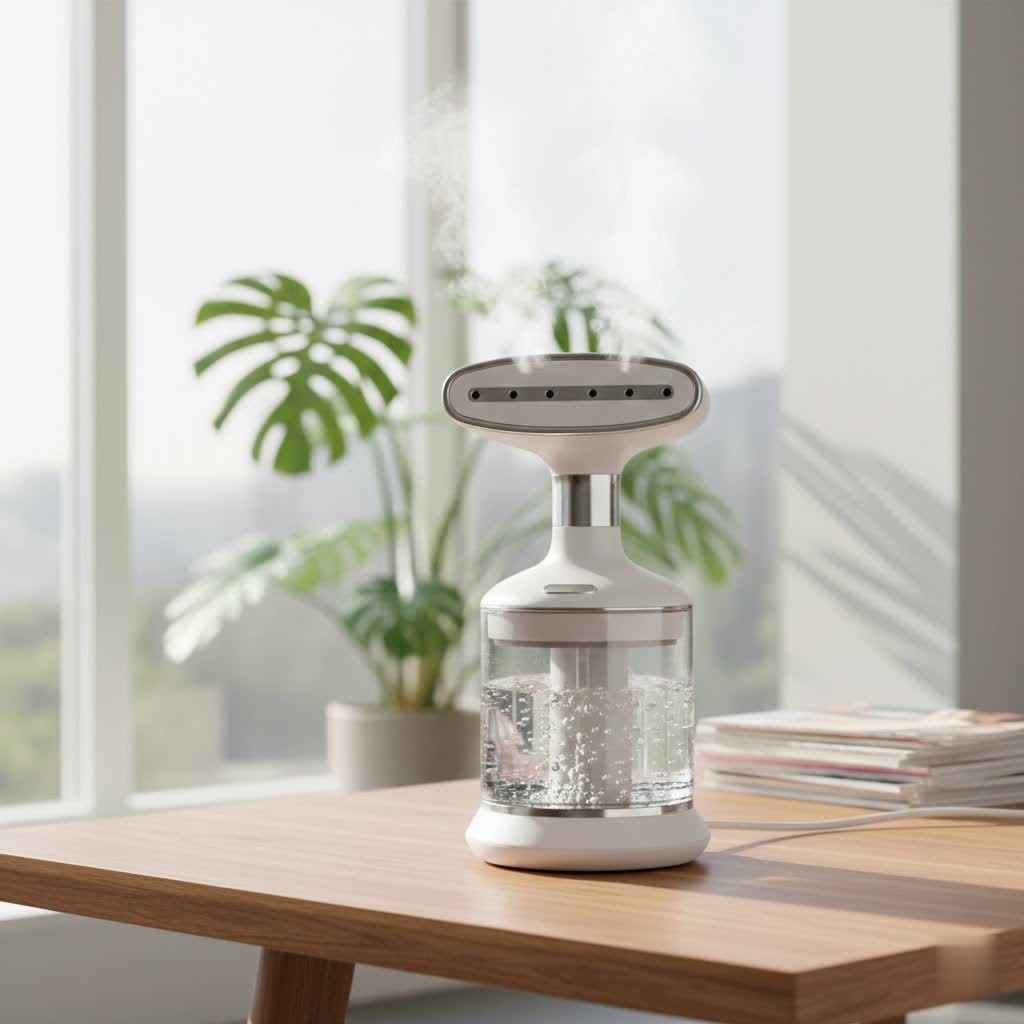
Garment steamers come in various designs, each catering to different needs and lifestyles. Understanding the distinctions between handheld, upright, and travel models will help you select the perfect tool for your garment care routine.
Handheld Garment Steamers
- Pros: Handheld steamers are renowned for their compact size, lightweight design, and exceptional portability. They heat up rapidly, often in under a minute, making them ideal for quick wrinkle removal when you’re short on time. Their ergonomic design allows for easy maneuvering, and they are particularly well-suited for delicate fabrics that require a gentle touch.
- Cons: Due to their compact nature, handheld models typically have smaller water tanks, necessitating more frequent refills during longer steaming sessions. This can limit continuous steaming time.
- Best for: Individuals who need quick touch-ups, those with limited storage space, and those new to steaming. They are also excellent companions for travelers who want to keep their outfits pristine on the go.
Upright (Standing/Vertical) Garment Steamers
- Pros: Upright steamers are built for more intensive and prolonged use. Featuring larger water tanks, they offer extended continuous steaming times, often lasting 30 minutes or more without a refill. Many come equipped with integrated hangers and adjustable poles, providing a stable setup for steaming multiple garments, including longer items like dresses and suits. Their powerful steam output efficiently tackles wrinkles on heavier fabrics such as cotton, linen, and denim.
- Cons: These models are bulkier and require more storage space than their handheld counterparts. They also typically have a longer heat-up time, usually between 3 to 5 minutes.
- Best for: Households with large wardrobes, those who steam frequently, and anyone needing to refresh multiple items or larger home textiles like curtains.
Travel Garment Steamers
- Pros: Specifically designed for mobility, travel steamers are ultra-compact and often feature foldable handles for easy packing. Many offer dual-voltage capability, making them suitable for international travel. They provide a quick solution for removing creases that appear during transit.
- Cons: With very small water capacities, travel steamers are primarily intended for emergency touch-ups rather than extensive steaming tasks. Their steam output might be less powerful than larger models.
- Best for: Business travelers, vacationers, or anyone who needs to look polished away from home.
Essential Buying Guide: How to Choose the Right Garment Steamer
Selecting the best garment steamer involves more than just picking the first model you see. Consider these key factors to ensure your choice perfectly aligns with your fabric care needs and budget.
1. Determine Your Usage Needs:
Before diving into specifications, think about how you’ll primarily use the steamer. Are you looking for a quick touch-up tool for delicate blouses, a heavy-duty solution for suits and drapes, or a compact travel companion? Your answer will guide you toward the right type—handheld, upright, or travel.
2. Power (Wattage) and Steam Output:
The power of a garment steamer, measured in watts, directly impacts its performance. Higher wattage (typically between 1000W and 2000W for home use) means a faster heat-up time and a more robust, consistent steam flow. A higher steam output, often expressed in grams per minute (g/min), translates to quicker and more effective wrinkle removal. If you tackle stubborn creases or heavier fabrics, prioritize a model with at least 1500 watts and a strong steam flow.
3. Water Tank Capacity and Continuous Steam Time:
The size of the water tank dictates how long you can steam before needing a refill. Handheld steamers have smaller tanks, offering shorter runtimes (e.g., 8-15 minutes). Upright models boast larger tanks, providing continuous steam for 30 to 60 minutes, ideal for multiple garments or larger items. For general home use, a tank capacity of at least 250ml is often recommended.
4. Heat-Up Time:
If speed is a priority, check the heat-up time. Many handheld models are ready in as little as 30 seconds, while upright steamers may take 1 to 5 minutes.
5. Features and Attachments:
Modern garment steamers often come with useful features that enhance usability:
- Automatic Shut-off: A safety feature that turns the steamer off when the water runs out or it overheats.
- Anti-Drip Technology: Prevents water spots on clothes.
- Continuous Steam Lock: Allows for hands-free steaming without constantly holding down a trigger.
- Fabric Brushes: Helps to loosen fibers for better steam penetration and removes lint.
- Crease Tools: Useful for creating crisp pleats or edges.
- Dual Voltage: Essential for international travelers.
6. Brand Reputation and Price:
Invest in reputable brands known for durability and performance. While prices vary, you can find quality handheld steamers from $20-$50, upright models from $60-$150, and travel steamers in the $25-$60 range. More advanced models, especially steam and iron combinations, might range from $70-$130.
How to Use a Garment Steamer for Best Results
Using a garment steamer correctly will ensure optimal wrinkle removal and extend the life of your appliance and clothing.
1. Preparation is Key:
- Fill the Water Tank: Always use distilled or demineralized water if you live in an area with hard water to prevent mineral buildup and white spots on your clothes. If soft tap water is available, that can also be used. Fill the tank to the indicated level, ensuring it’s securely closed.
- Heat It Up: Plug in your steamer and allow it to heat completely. Most models will have an indicator light or a consistent stream of steam to signal readiness. Rushing this step can lead to sputtering and water leakage.
- Hang Your Garment: Hang the item on a sturdy hanger. For upright steamers, use the integrated hanger. For handheld models, any hook, shower rod, or even a door can work. Make sure you have enough space to move around the garment freely.
2. Master the Steaming Technique:
- Keep Fabric Taut: Gently pull the bottom hem of the garment with your free hand to keep the fabric taut. This stretches the fibers, allowing the steam to work more effectively and ensuring wrinkles are smoothed out, not just moved around.
- Glide the Steamer: Hold the steamer head close to the fabric, but without direct contact (especially for delicate items). Move the nozzle in slow, consistent strokes, working from top to bottom. Allow the steam to penetrate the fibers and relax them. For some garments, angling the steamer so steam passes through both layers can improve efficiency.
- Delicate Fabrics: For very delicate materials like silk or chiffon, consider steaming from the inside out to prevent water marks or streaking.
3. Post-Steaming Care:
- Allow to Dry: After steaming, let your garment hang and cool completely before wearing or storing it. Steam can leave fabrics slightly damp, and putting them on too soon can reintroduce wrinkles.
Common Garment Steamer Issues and How to Fix Them
Even the most reliable garment steamers can encounter occasional hiccups. Here’s a guide to troubleshooting common problems:
- Steamer Not Producing Steam:
- Check Water Level: The most common culprit is an empty or low water tank. Refill it above the minimum line.
- Proper Seating: Ensure the water tank is correctly installed and securely seated in the base.
- Insufficient Heat-Up: Give the steamer adequate time to reach full temperature. Most models require a minute or two.
- Clogged Nozzle/Hose: Mineral deposits from hard water can block steam pathways. Regularly descale your steamer (see maintenance tips below) or use a small brush or pin to gently clear any visible obstructions in the nozzle.
- Airlock: If the water isn’t circulating, try tilting the steamer or gently tapping it to dislodge any trapped air bubbles. Some suggest running the steamer with the nozzle facing downwards briefly.
- Water Leaking from the Nozzle:
- Overfilled Tank: Avoid exceeding the maximum fill line on your water tank.
- Loose Cap: Ensure the water tank cap or stopper is tightly fastened.
- Incorrect Position: Many handheld steamers are designed to be used upright. Tiling them too much can cause water to leak.
- Not Fully Heated: If you start steaming before the unit is fully heated, it might spit out water instead of steam.
- Unusual Noises (Buzzing/Gurgling):
- Often, these noises are normal during operation as water is pumped and heated. However, excessive noise can sometimes indicate a low water level. Refill the tank if necessary.
Essential Safety Tips for Using Your Garment Steamer
Your garment steamer is a powerful tool, but like any electrical appliance involving heat and water, it requires careful handling. Adhering to safety precautions is paramount to prevent accidents and ensure long-term, safe use.
- Read the Manual: Always begin by thoroughly reading your steamer’s instruction manual. This will familiarize you with its specific features, operation, and critical safety warnings.
- Never Leave Unattended: Do not leave a plugged-in or operating garment steamer unattended. Unplug it immediately after use and before refilling the water tank or performing any maintenance.
- Avoid Direct Contact: Hot steam can cause severe burns. Never direct the steam at yourself, other people, or pets. Avoid touching the hot steam head or any metal components while the steamer is on or cooling down.
- Keep Out of Reach of Children: Ensure the steamer is stored safely away from children and pets, both during use and when cooling.
- Use Distilled Water: As mentioned, using distilled or filtered water minimizes mineral buildup, which can prolong the life of your steamer and prevent sputtering that might cause hot water droplets.
- Electrical Safety: Do not operate the steamer with a damaged cord or plug. Never yank the cord to unplug the device; always grasp the plug itself. Avoid using the steamer near water sources like sinks or bathtubs.
- Allow to Cool: Before cleaning, storing, or troubleshooting, always unplug the steamer and allow it to cool completely for at least 60 minutes.
- Fabric Awareness: While steamers are gentle, avoid steaming garments with soft plastic elements, or delicate embellishments like sequins and heavy embroidery from the outside, as they can melt or be damaged.
Conclusion
Garment steamers have truly revolutionized fabric care, offering a gentle, efficient, and versatile solution for maintaining your wardrobe and home textiles. From quickly smoothing out wrinkles to sanitizing between washes, their benefits far exceed those of traditional methods. By understanding the different types, selecting a model that fits your needs, and following proper usage and safety guidelines, you can effortlessly achieve that fresh, polished look every day. Are you ready to embrace the convenience and care a garment steamer brings to your daily routine?
Frequently Asked Questions
Can a garment steamer completely replace an iron?
While a garment steamer excels at quickly removing wrinkles and refreshing most fabrics, it generally won’t achieve the crisp, sharp creases that an iron can. For very thick fabrics like denim or structured garments requiring precise pleats, an iron might still be preferred. However, for everyday wear, delicates, and quick touch-ups, a steamer is often more convenient and gentler.
What kind of water should I use in my garment steamer?
It is highly recommended to use distilled or demineralized water in your garment steamer. This prevents mineral buildup (limescale) from tap water, which can clog the steamer’s internal components, reduce steam output, and potentially leave white residue on your clothes. If distilled water isn’t readily available, filtered or soft tap water can be an alternative, but regular descaling will be crucial.
How long does it take to steam a garment?
The time it takes to steam a garment varies depending on the steamer’s power, the fabric type, and the severity of the wrinkles. Most items can be refreshed and de-wrinkled in just a few minutes, often between 1 to 5 minutes per garment. Handheld steamers typically heat up in seconds, while upright models might take a bit longer to be ready for continuous use.
Is it safe to use a garment steamer on all fabrics?
Garment steamers are generally safe for most fabrics, including delicate materials like silk, chiffon, wool, and synthetics, as they don’t involve direct heat contact. However, avoid using steamers on materials that are not suitable for moisture or heat, such as unsealed leather or suede. Always check the care label of your garment if you are unsure.
How often should I clean my garment steamer?
To maintain optimal performance and extend its lifespan, it’s advisable to empty the water tank after each use and wipe down the exterior. For descaling, if you use tap water, aim for a thorough cleaning every 2-4 weeks. If you use distilled water, descaling can be done less frequently, perhaps every few months, or when you notice a reduction in steam output.