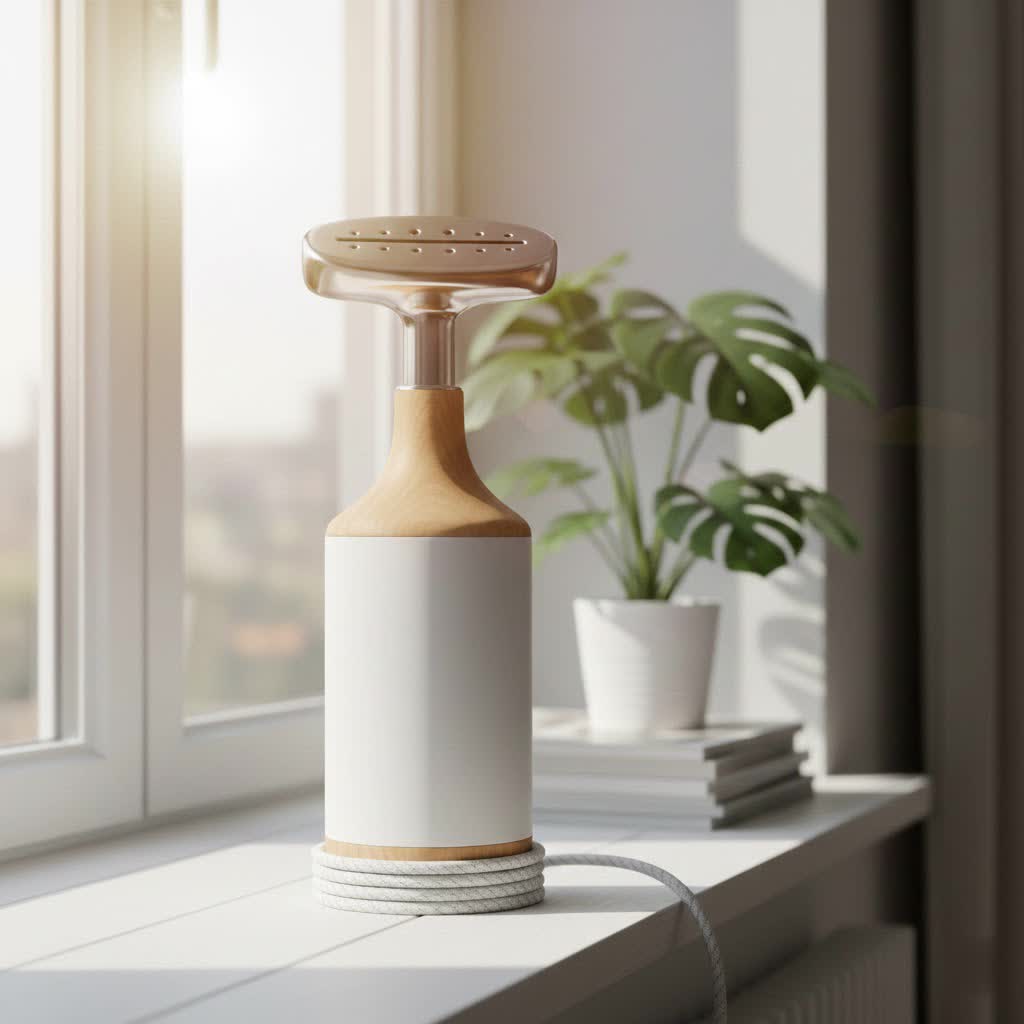
Tired of battling stubborn wrinkles with a traditional iron, or sending your delicate garments to the dry cleaner? A garment steamer offers a revolutionary solution, promising impeccably smooth clothes with less effort and more care. This modern appliance has transformed garment maintenance, providing a fast, gentle, and effective way to refresh your wardrobe. Whether you’re a fashion enthusiast, a busy professional, or simply seeking a more convenient approach to fabric care, understanding the world of garment steamers is key to keeping your clothes looking their best.
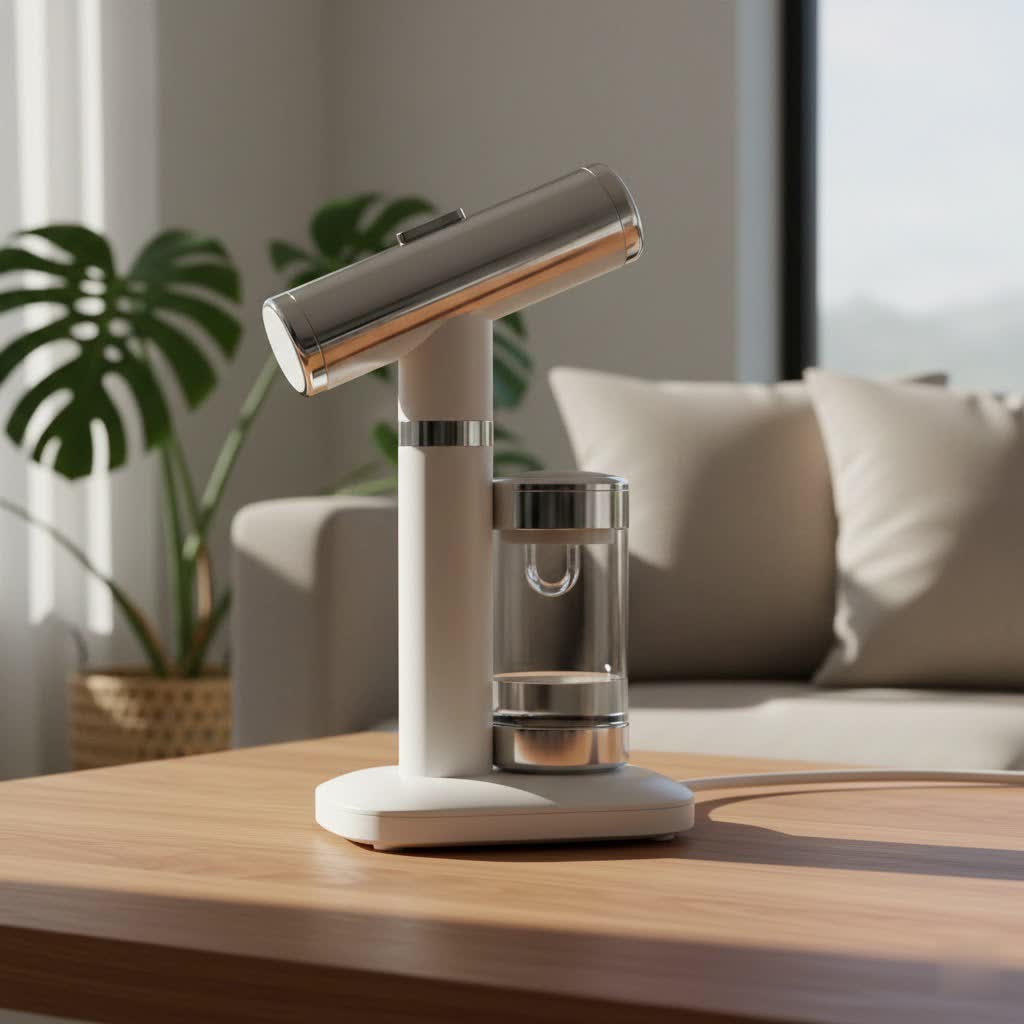
Garment Steamer: The Perfect Solution for Fresh, Smooth Clothing
Garment steamers have become an indispensable tool for maintaining a pristine wardrobe, offering a host of advantages over conventional ironing. Their ability to quickly and gently remove wrinkles makes them a preferred choice for many, safeguarding fabrics while delivering a polished look.
Benefits of a Garment Steamer
Moving beyond the traditional iron, garment steamers provide numerous compelling benefits that streamline your routine and extend the life of your clothes.
- Time and Effort Savings: Unlike irons that require an ironing board and precise manipulation, steamers heat up quickly and allow you to de-wrinkle clothes vertically while they hang. This significantly cuts down preparation and actual steaming time, making it ideal for quick touch-ups before heading out.
- Fabric Protection: Steamers work by relaxing fabric fibers with hot steam, rather than flattening them with direct heat and pressure like an iron. This non-contact method prevents scorching, shine marks, and accidental burns, making it incredibly safe for delicate materials such as silk, chiffon, wool, velvet, and corduroy. It preserves the natural texture and integrity of the fabric.
- Odor Removal and Sanitization: The high temperature of steam effectively penetrates fabric fibers to kill bacteria, dust mites, and allergens. This not only eliminates unpleasant odors, leaving clothes smelling fresh, but also provides a hygienic refresh, especially useful for items worn briefly or between washes, and even for household items like curtains and upholstery.
|
Our Picks for the Best Garment Steamer in 2026
We may earn a commission when you use one of our links to make a purchase.
|
||
| Num | Product | Action |
|---|---|---|
| 1 | Conair Handheld Garment Steamer for Clothes, Turbo ExtremeSteam 1875W Fabric Clothes Steamer, Portable Handheld Design, Strong Penetrating Steam, Blue |

|
| 2 | Steamer for Clothes, 2-in-1 Portable Handheld Travel Steamer & Steam Iron, 1200W Powerful Wrinkle Remover, Smart Steam with 4 Modes, 10-Second Heat-Up, Perfect for Home & Travel. |
|
| 3 | OGHom Steamer for Clothes, Handheld Clothing Steamer for Garment, 240ml Big Capacity 700W Portable Travel Steam Iron (Blue) |
|
| 4 | HiLIFE Steamer for Clothes, Portable Handheld Clothing Steamer, 240ml Big Capacity, 700W, Strong Power, Fabric Quick Wrinkle Remover with Brush for Home, Office, Travel (ONLY 120V) -Blue |
|
| 5 | HiLIFE Upgraded Steamer for Clothes, Handheld Portable Design, 1100W Powerful Steam, 300ml Larger Tank & No Leak Design, 30S Fast Heat-up, Quick Wrinkle Remover, Compact Size for Travel, ONLY 120V |
|
| 6 | Rowenta Handheld Steamer for Clothes, Pure Force 2in1 Steamer & Iron, 1875W, Vertical/Horizonal Steaming & Ironing, Lightweight, Auto-off, XL power, 1875 Watts, DR8822 |
|
| 7 | Conair Turbo Extreme Steam Hand Held Fabric Steamer, GS59X, 1875W, 15 min, 7.3 oz, White/Champagne |
|
| 8 | Riakrum Over-the-door Steaming Station 38" x 19" Clothes Steamer Station with Ironing Glove 100% Cotton Cover with an Aluminum Vapor Protection Layer for Home and Travel Use |
|
| 9 | Jack & Rose Travel Steamer for Clothes,100-220V Portable Iron,15s Heat Up,Steamer & Iron 2 In 1, Travel Size,Large Ceramic Heat Panel,for Global and Europe |
|
| 10 | Conair Handheld Garment Steamer for Clothes, Turbo ExtremeSteam 1875W Fabric Steamer, Portable Handheld Design, Strong Penetrating Steam, Amazon Exclusive, Black |
|
Types of Garment Steamers Available
The market offers a diverse range of garment steamers, each designed to cater to different needs and lifestyles. Understanding these types will help you select the best fit for your home.
Handheld Garment Steamers
These compact and lightweight devices are perfect for individuals on the go or those with limited storage space.
- Pros: Highly portable, easy to store, quick heat-up times (often under 30 seconds), and ideal for travel or quick, last-minute touch-ups on a few items. They are generally more affordable, ranging from $20 to $50.
- Cons: Smaller water tanks require frequent refills, typically offering only 10-15 minutes of continuous steam. Their steam output might be less powerful, making them less effective on deep-set wrinkles or heavy fabrics.
- Best for: Travelers, students, individuals living in small apartments, or anyone needing quick wrinkle removal for delicate garments.
Upright (Standing) Garment Steamers
Designed for more intensive use, upright steamers offer enhanced power and capacity for larger loads.
- Pros: Feature larger water tanks, providing longer steaming sessions (over 30 minutes) without refills. They deliver powerful, continuous steam, making them highly effective for heavy fabrics like cotton and linen, as well as for steaming multiple items at once, such as suits, dresses, and curtains.
- Cons: Bulkier and require more storage space. They typically have longer heat-up times (3-5 minutes).
- Best for: Larger households, individuals who regularly steam a significant portion of their wardrobe, or for home and light commercial use where consistent, powerful steam is needed. Prices typically range from $60 to $150.
Travel Garment Steamers
Specifically designed for portability, these are miniature versions of handheld steamers.
- Pros: Ultra-compact, extremely lightweight, and can fit easily into luggage. They heat up very quickly (under 60 seconds) for emergency touch-ups.
- Cons: Have very small water capacities, meaning very short steaming times. They are not intended for extensive steaming sessions.
- Best for: Frequent travelers who need to keep their clothes looking neat while away from home. Expect to pay between $25 and $60.
Steam & Iron Combination Models
These hybrid appliances offer the best of both worlds, combining the gentle steaming action with the option for flat pressing.
- Pros: Provides versatility, allowing you to switch between vertical steaming and horizontal ironing. This can be great for different fabric types or when a crisp finish is desired in certain areas.
- Cons: While saving space by combining functions, they may not perform as well as dedicated steamers or irons for specific tasks.
- Best for: Users who desire flexibility and frequently deal with a variety of fabric types and wrinkle severities. These models typically cost $70-$130.
Comparison Table: Key Garment Steamer Models and Features
To help you navigate the options, here’s a general comparison of features you might find across different steamer models. Note that specific models and their exact specifications can vary by brand.
| Feature | Handheld Steamer | Upright (Standing) Steamer | Travel Steamer | Steam & Iron Combo |
|---|---|---|---|---|
| Portability | High | Low | Very High | Moderate |
| Water Tank | Small (90-250 ml) | Large (1-2.5 Liters) | Very Small (50-150 ml) | Medium (200-500 ml) |
| Steam Time | 5-15 minutes | 30-90+ minutes | 3-8 minutes | 10-25 minutes |
| Heat-up Time | 25-60 seconds | 1-5 minutes | 20-60 seconds | 40-90 seconds |
| Power (Watts) | 800-1500W | 1500-2000W | 500-1000W | 1000-1800W |
| Ideal Use | Quick touch-ups, travel | Heavy use, large loads, home | Emergency travel touch-ups | Versatile home use |
| Key Benefit | Convenience, portability | Power, capacity, continuous steam | Extreme portability | Flexibility (steam & press) |
| Price Range | $20 – $50 | $60 – $150 | $25 – $60 | $70 – $130 |
“The right garment steamer isn’t just about removing wrinkles; it’s about preserving the life and look of your clothes with less effort.” – Sarah L., Garment Care Specialist
Buying Guide: How to Choose the Best Garment Steamer
Selecting the perfect garment steamer involves considering several factors tailored to your specific needs and preferences.
-
Determine Your Usage Needs:
- Fabric Types: Do you primarily steam delicate silks, robust cottons, or a mix? For delicate items, a steamer is generally safer. For crisp lines on heavy fabrics, an iron or a steam & iron combo might be better.
- Frequency: Will you use it daily for quick touch-ups or weekly for larger batches? Handhelds suit occasional use, while upright models are better for regular, heavy-duty steaming.
- Portability: Do you need a steamer for travel, or will it mostly stay at home? Travel and handheld models prioritize portability.
-
Consider Power (Wattage): Higher wattage (1000-2000W for home use; 1500W+ for fast, effective results) generally means faster heat-up times and stronger steam output, crucial for tackling stubborn wrinkles.
-
Assess Water Tank Capacity: A larger tank allows for longer continuous steaming sessions, reducing the need for frequent refills. For typical home use, a tank capacity of at least 250ml is recommended for handheld units, while upright models offer significantly larger capacities.
-
Look for Essential Features:
- Steam Output (g/min): A higher gram per minute (g/min) indicates more powerful steam for quicker wrinkle removal.
- Heat-Up Time: Crucial for busy mornings; look for models that heat up in under a minute.
- Automatic Shut-off: A safety feature that turns off the steamer when the water runs low or after a period of inactivity.
- Anti-drip/Leak-proof Design: Prevents water spots on your garments.
- Attachments: Useful accessories like fabric brushes (for thicker fabrics), lint removers, crease tools (for pleats), and steaming pads can enhance versatility.
-
Research Reputable Brands: Brands like Philips, Rowenta, Conair, Hamilton Beach, and Steamery are known for their quality and performance. Checking recent reviews and product comparisons can provide valuable insights into reliability and user satisfaction.
-
Evaluate Price vs. Value: While budget is a factor, consider the long-term value. A slightly more expensive model with better features, durability, and a stronger warranty might save you money and frustration in the long run.
How to Use a Garment Steamer Correctly
Using a garment steamer is straightforward, but a few techniques can ensure optimal results and protect your clothing.
- Preparation: Fill the water tank with distilled water to prevent mineral buildup and potential clogging. Hang your garment on a hanger, ensuring it’s freely suspended and not touching the floor.
- Heat Up: Plug in the steamer and allow it to heat up fully until it produces a consistent flow of steam.
- Steaming Technique: Hold the steamer nozzle a few inches away from the fabric. Gently pull the bottom of the garment taut with your free hand to create a flat surface. Move the steamer in slow, vertical strokes, allowing the steam to relax the fibers. For cuffs and collars, you may need to use a creasing attachment or gently press the fabric against a heat-resistant surface.
- Dealing with Different Fabrics:
- Delicates (silk, chiffon): Keep the nozzle slightly further away and use quick, gentle passes.
- Heavier Fabrics (wool, linen): You might need more passes and slower movements to allow the steam to penetrate deeply. Use a fabric brush attachment to open up fibers if needed.
- Finishing: Once steamed, allow the garment to cool and dry completely before wearing or storing to prevent new wrinkles.
Common Garment Steamer Issues and How to Fix Them
Even the best garment steamers can encounter occasional issues. Here are some common problems and their simple solutions:
- Machine Not Producing Steam:
- Low Water Level: Ensure the water tank is filled above the minimum line.
- Improper Tank Installation: Check that the water tank is securely seated in the base.
- Mineral Buildup (Limescale): This is the most frequent cause. Over time, minerals from tap water can clog the heating element. Decalcify your steamer regularly by running a solution of equal parts white vinegar and distilled water through it, then rinsing with plain distilled water.
- Water Leaking from the Machine:
- Overfilling: Do not exceed the maximum fill line on the water tank.
- Loose Cap: Ensure the water tank cap or stopper is tightly fastened.
- Incorrect Positioning: Always use the steamer in an upright position. Tilting it too much can cause water to escape through vents.
- Unusual Noises While Operating:
- Low Water: Buzzing or gurgling sounds can indicate low water levels; refill the tank.
- Mineral Buildup: Similar to no-steam issues, limescale can affect the pump’s operation. Decalcification may help.
Safety Precautions When Using a Garment Steamer
While generally safer than irons, proper handling is essential to prevent accidents.
- Keep Out of Reach of Children: Store the steamer in a secure location away from curious hands.
- Avoid Contact with Skin: The steam is extremely hot and can cause burns. Always direct the steam away from yourself and others. Consider using a heat-resistant glove for added protection.
- Do Not Use Near Water: Avoid operating the steamer near sinks, bathtubs, or other water sources to prevent electrical hazards.
- Unplug After Use and During Maintenance: Always disconnect the steamer from the power outlet and allow it to cool completely before refilling, cleaning, or storing.
- Do Not Overfill: Stick to the recommended water levels to prevent leaks and potential electrical issues.
Conclusion
Garment steamers offer a modern, efficient, and fabric-friendly alternative to traditional ironing, making it easier than ever to maintain a polished appearance. From quick touch-ups with a portable handheld unit to tackling entire wardrobes with a powerful upright model, there’s a steamer designed for every need. By understanding the different types, key features, and proper usage and maintenance, you can choose a garment steamer that not only fits your lifestyle but also ensures your clothes always look their absolute best. Why not embrace the gentle power of steam and elevate your garment care routine today?
Frequently Asked Questions
Can a garment steamer completely replace an iron?
While a garment steamer excels at quickly removing wrinkles, refreshing fabrics, and being gentle on delicate materials, it may not entirely replace an iron for everyone. Irons are better for achieving crisp pleats, sharp creases, and a very flattened finish on structured garments or heavy fabrics like denim and stiff cotton. Many find steamers complement irons, each serving different fabric care needs.
What kind of water should I use in my garment steamer?
It is highly recommended to use distilled water in your garment steamer. Tap water contains minerals that can build up over time, leading to limescale deposits that can clog the steamer, reduce steam output, and potentially shorten its lifespan. Using distilled water helps prevent these issues, ensuring consistent performance and prolonging the life of your appliance.
How do I clean and maintain my garment steamer?
Regular maintenance is crucial for optimal performance. After each use, empty any remaining water from the tank and wipe down the exterior. For mineral buildup, descale your steamer every few months (or monthly with frequent use) by running a 1:1 solution of white vinegar and distilled water through it, then rinsing thoroughly with plain distilled water. Always unplug and allow the steamer to cool before cleaning.
Is steaming clothes better for them than ironing?
Generally, steaming is gentler on fabrics than ironing. Steaming relaxes fibers with hot moisture without direct contact or pressure, reducing the risk of scorching, crushing delicate textures, or causing shine marks. Ironing, by contrast, uses direct heat and pressure, which can sometimes damage delicate materials or wear down fibers over time.
How long does it take for a garment steamer to heat up?
Heat-up times vary depending on the type and wattage of the steamer. Smaller handheld steamers often heat up rapidly, typically within 25-60 seconds. Larger upright models may take slightly longer, usually between 1 to 5 minutes, to generate a powerful, continuous stream of steam.