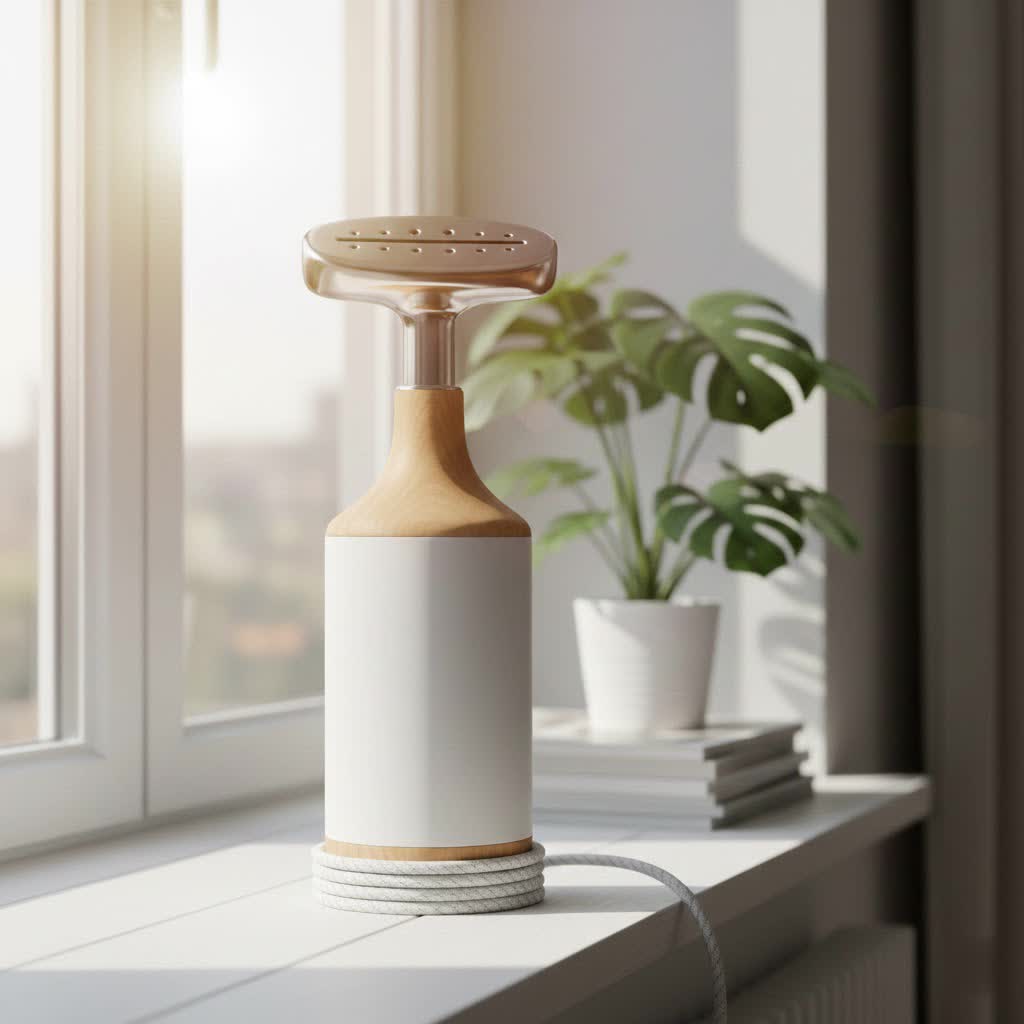
Maintaining a polished appearance while traveling can be a challenge. Whether you’re on a business trip, a romantic getaway, or an adventurous exploration, crumpled clothes can quickly diminish your professional or stylish look. This is where a dual voltage travel garment steamer becomes an indispensable companion, offering a swift and gentle solution to keep your wardrobe fresh and wrinkle-free, no matter where your journey takes you. This comprehensive guide will help you understand the benefits, types, and crucial features to consider when choosing the perfect travel steamer for your global adventures.
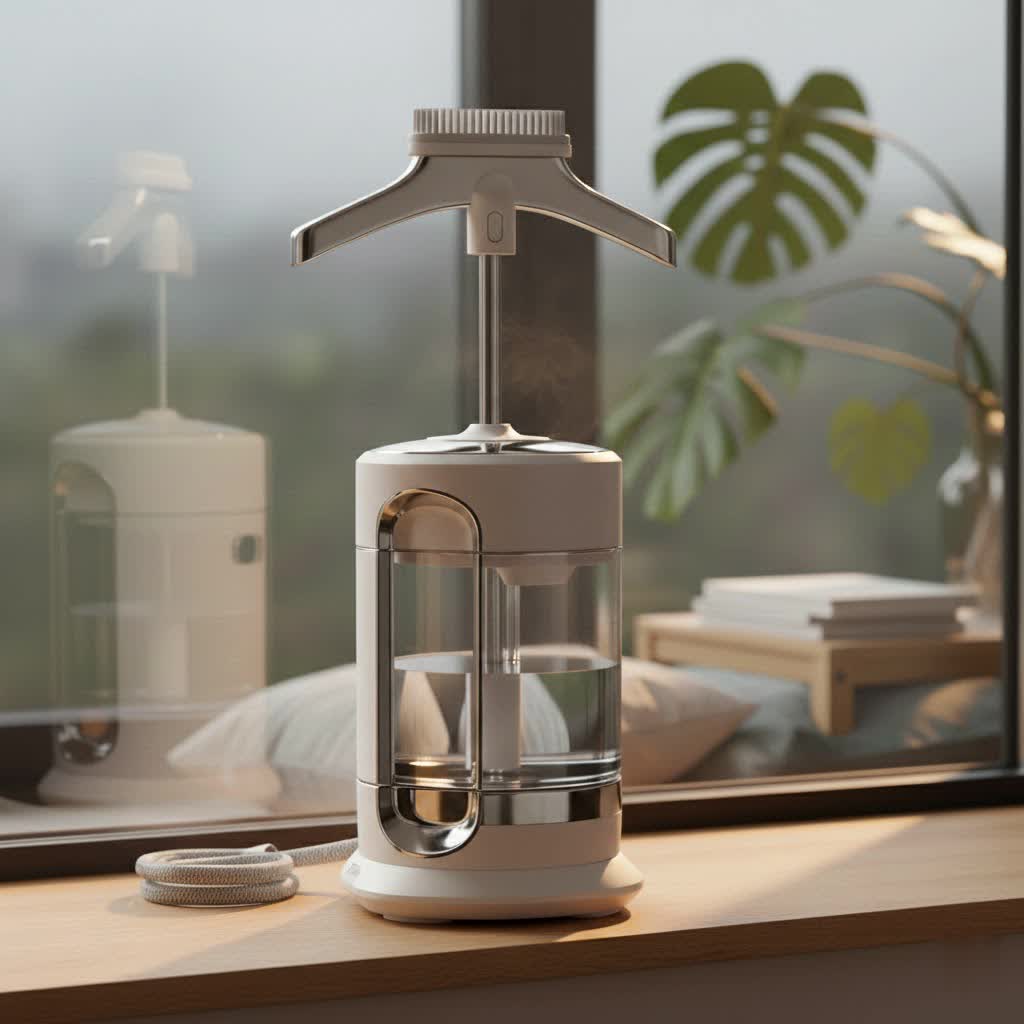
Garment Steamer: The Perfect Solution for Fresh Clothes On-The-Go
Dual voltage travel garment steamers are game-changers for anyone who frequently travels across different regions with varying electrical standards. Unlike traditional irons, which require an ironing board and can be harsh on delicate fabrics, steamers offer a gentle yet effective way to remove creases. They are specifically designed to be lightweight and compact, making them easy to pack without adding significant bulk to your luggage. The dual voltage capability ensures that your device will function safely and efficiently whether you’re in North America (110-120V) or Europe, Asia, and other areas (220-240V), eliminating the need for a bulky and often unreliable voltage converter.
Benefits of a Dual Voltage Travel Garment Steamer
Bảng trống.Investing in a dual voltage travel garment steamer offers numerous advantages over traditional irons and other wrinkle-removal methods, especially for the frequent traveler. These devices are designed for convenience and efficiency, making them a superior choice for maintaining your wardrobe abroad.
Firstly, they provide unparalleled time and effort savings. Steamers heat up rapidly, often in under a minute, allowing for quick touch-ups before a meeting or an evening out. There’s no need to search for an ironing board or wait for an iron to heat up to a specific temperature. Secondly, garment steamers protect fabric integrity. The gentle steam relaxes fibers without direct heat contact, preventing scorching, burning, or the dreaded “shine” that irons can leave on certain materials. This makes them safe for a wide range of fabrics, including delicate silks, chiffons, and even embellished garments.
Beyond wrinkle removal, steamers also offer odor removal and sanitization benefits. The hot steam penetrates fabric, helping to kill odor-causing bacteria and refresh clothes that have been packed for extended periods. This can significantly extend the wear time of garments between washes, which is particularly useful when traveling. Perhaps the most significant advantage for international travelers is the elimination of the need for voltage converters. A dual voltage steamer automatically adjusts to the local power supply, requiring only a simple, inexpensive plug adapter to match the socket shape. This reduces packing weight and the complexity of managing multiple power accessories, ensuring a hassle-free experience wherever you go.
Types of Travel Garment Steamers with Dual Voltage
When considering a dual voltage travel garment steamer, the primary type you’ll encounter is the handheld model, specifically designed for portability and international use. Understanding the characteristics of these steamers will help you choose the best fit for your travel habits.
Handheld Dual Voltage Steamer
- Advantages:
- Portability: Handheld steamers are inherently lightweight and compact, easily fitting into luggage without taking up excessive space. Their small footprint is ideal for limited hotel room space.
- Quick Heat-Up: Most models heat up within 30-60 seconds, allowing for immediate use and quick touch-ups.
- Ease of Use: Simply fill the water tank, plug it in (with the correct adapter), and steam. No complicated settings or ironing boards required.
- Versatility: Effective on a wide range of fabrics, from delicate silks to heavier cottons and linens, without causing damage.
- Disadvantages:
- Water Tank Capacity: Generally have smaller water tanks, meaning shorter continuous steaming times (typically 5-15 minutes) before needing a refill.
- Power Output: While sufficient for travel, they might not offer the same robust steam power as larger upright home models.
- Limited Attachments: Some basic models might come with fewer specialized attachments compared to their full-sized counterparts.
- Best Suited For: Frequent travelers, business professionals, vacationers, and anyone needing quick wrinkle removal on 1-3 garments at a time. Perfect for carry-on luggage.
Upright and Travel-Specific Steamers (Dual Voltage Considerations)
While large upright garment steamers offer superior steam power and larger water tanks, they are almost never dual voltage and are not designed for travel due to their size and weight. When discussing “travel” steamers, the focus is almost exclusively on handheld devices. However, some travel-specific models might offer slightly larger water tanks or more robust designs than the most basic handheld units, striking a balance between portability and extended use, while still retaining the crucial dual voltage capability. Always confirm the dual voltage feature explicitly for any model marketed as “travel-specific” to ensure it meets international travel requirements.
Comparison Table: Top Dual Voltage Travel Garment Steamer Models
Choosing the right dual voltage travel steamer can be daunting with many options available. This table highlights some common features and specifications you should look for, comparing hypothetical top models based on typical market offerings to give you an idea of what to expect.
| Model Name | Power (Watts) | Water Tank (ml) | Heat-Up Time | Continuous Steam | Special Features | Price Range (USD) | Pros | Cons |
|---|---|---|---|---|---|---|---|---|
| TravelPro Elite | 1000 | 120 | 30 sec | 8-10 min | Anti-drip, Auto-shutoff | $40 – $60 | Fast, Reliable, Safety features | Slightly heavier than ultra-compact |
| GlobalGlide Mini | 800 | 80 | 45 sec | 5-7 min | Ultra-compact, Lightweight | $30 – $50 | Extremely portable, Budget-friendly | Shorter steam time, Smaller tank |
| SteamJet Traveler | 1200 | 150 | 25 sec | 10-12 min | Ceramic plate, Brush attachment | $55 – $75 | Powerful steam, Longer runtime | Can be bulkier for minimalist packers |
| WrinkleAway Pro | 900 | 100 | 40 sec | 7-9 min | Dry steaming tech, Leak-proof | $45 – $65 | Prevents water spots, Good balance | Heat-up time is average |
Note: The models listed are illustrative examples based on common features and performance found in the market and do not represent specific brands or products.
How to Choose the Best Dual Voltage Travel Garment Steamer (Buying Guide)
Selecting the ideal dual voltage travel garment steamer involves considering several factors tailored to your specific travel needs and preferences. A thoughtful purchase ensures you get a device that is both effective and convenient for your journeys.
Determine Your Usage Needs
Before diving into specifications, consider your typical travel habits. What types of fabrics do you usually steam (delicates, cotton, linen)? If you primarily steam delicate materials like silk or chiffon, look for models with consistent, gentle steam. How often will you be using it, and for how many garments at a time? For quick daily touch-ups on one or two items, a smaller tank is fine. For steaming multiple outfits, a larger water capacity might be preferable, even if it adds a little weight.
Power (Wattage)
The wattage of a garment steamer directly correlates with its heating speed and steam output. Generally, a higher wattage (800W to 1200W) means faster heat-up times and more powerful, consistent steam, which is better for tackling tougher wrinkles. Lower wattage models might be more compact and energy-efficient but could take longer to heat up and may struggle with heavier fabrics. Aim for at least 800W for decent performance on the go.
Water Tank Capacity
This feature dictates how long you can steam continuously without refilling. Water tank sizes for travel steamers typically range from 60ml to 150ml. A 60-80ml tank offers about 5-7 minutes of steam, suitable for a single garment. A 100-150ml tank can provide 8-12 minutes, enough for two or three items. Consider your steaming needs versus the desire for a lighter, more compact device.
Essential Features
- Automatic Shut-Off: A crucial safety feature that turns the steamer off when the water runs out or if it overheats, preventing damage to the device and potential hazards.
- Anti-Drip/Leak-Proof Design: Prevents water spitting or leakage, protecting your clothes from water spots and ensuring a mess-free experience. This is especially important for travel steamers that might be handled roughly in luggage.
- Quick Heat-Up Time: As mentioned, faster heat-up (under 60 seconds) means more convenience, particularly when you’re in a rush.
- Attachments: Some steamers come with fabric brushes (to help loosen fibers and remove lint) or crease attachments (for sharper lines). Consider if these are valuable for your typical garments.
- Dry Steaming Technology: Advanced models might incorporate technology to produce “dryer” steam, which helps prevent water spotting on sensitive fabrics.
Brand Reputation and Price
Stick to reputable brands known for quality small appliances to ensure durability and good customer support. Read reviews to gauge real-world performance. Prices for dual voltage travel steamers can range from $30 to $80, depending on features, brand, and build quality. Compare prices across different retailers to find the best deal.
How to Use Your Dual Voltage Travel Garment Steamer Correctly
Using a dual voltage travel garment steamer effectively ensures wrinkle-free clothes and extends the life of your device. Proper technique and maintenance are key to harnessing its full potential.
Preparation Before Steaming
First, ensure you have the correct plug adapter for the country you are in; the dual voltage feature handles the electrical conversion, but you still need the right physical plug shape. Fill the water tank with distilled or demineralized water to prevent mineral buildup, which can clog the steamer over time. Avoid overfilling past the max line. Hang your garment on a hanger, ideally in a well-ventilated area, ensuring it’s free-hanging and not pressed against a wall.
Steaming Techniques for Different Fabrics
Hold the steamer upright, keeping the nozzle a few inches away from the fabric. Gently pull the fabric taut with your free hand to create a flat surface for the steam. Move the steamer in slow, vertical strokes from top to bottom. For heavier fabrics like cotton or denim, you might need to go over the same area multiple times or use a brush attachment to open up the weave. For delicate fabrics such as silk or rayon, maintain a slightly greater distance and use quick, light passes to avoid over-saturating the material. Always test on an inconspicuous area first.
Cleaning and Maintenance
After each use, empty any remaining water from the tank to prevent stagnant water buildup and mineral deposits. Allow the steamer to cool completely before storing it. Periodically, you may need to descale your steamer, especially if you’ve used tap water. This usually involves steaming a solution of equal parts white vinegar and distilled water. Refer to your steamer’s manual for specific descaling instructions. Regular cleaning ensures optimal steam output and longevity.
Common Issues and Troubleshooting
Even reliable travel garment steamers can occasionally encounter minor issues. Knowing how to troubleshoot these common problems can save you time and frustration while on the road.
Steamer Not Producing Steam
If your steamer isn’t producing steam, first check if it’s properly plugged in and the power switch is on. Ensure the water tank is filled with water; many steamers won’t produce steam if the water level is too low or empty. If the steamer has been used frequently with tap water, mineral buildup could be blocking the steam vents. Try descaling the unit as per the manufacturer’s instructions. Also, check for any clogs in the nozzle.
Water Leakage or Spitting
Water spitting or leakage often occurs if the steamer is not held upright or if the water tank is overfilled. Ensure you are holding the steamer vertically during operation. If the issue persists, the steamer might not have reached its full steaming temperature, causing water to spit rather than turn into steam; allow it a bit more time to heat up. Mineral buildup can also cause irregular steam release and spitting, so regular descaling is important. Make sure all parts, especially the water tank, are securely attached.
Clogging
Clogging is almost always due to mineral deposits from hard tap water accumulating in the steamer’s internal components. The best way to prevent this is to always use distilled or demineralized water. If clogging occurs, a thorough descaling process with a vinegar solution (as outlined in the maintenance section or your user manual) is usually the most effective remedy. Repeated clogging might indicate it’s time to consider a new steamer.
Safety Tips for Using a Travel Garment Steamer
While travel garment steamers are generally safe, adhering to specific precautions is essential to prevent accidents and ensure your well-being, especially when in unfamiliar environments.
Always keep your steamer out of reach of children and pets. The hot steam can cause severe burns, and curious hands could accidentally knock over the device. Never operate the steamer near water sources like sinks, bathtubs, or showers to avoid the risk of electric shock. Ensure your hands are dry when plugging or unplugging the device.
Do not allow the steamer to operate dry; always check the water level before use. Running it without water can damage the heating element. Unplug the steamer immediately after use and allow it to cool completely before emptying the water tank and storing it. Never pull the cord to unplug; always grasp the plug itself. Also, avoid directing steam at yourself or others, or at delicate surfaces that could be damaged by heat and moisture. Use the steamer in a well-ventilated area to prevent humidity buildup.
“A dual voltage travel steamer isn’t just a convenience; it’s a necessity for the modern global traveler. It saves space, time, and ensures you always look your best, effortlessly adapting to any electrical system.” – Dr. Emily R. Thorne, Travel Technology Expert
Conclusion
A dual voltage travel garment steamer is an invaluable asset for anyone looking to maintain a crisp, professional, and fresh appearance while globetrotting. Its ability to adapt to varying electrical systems, combined with its gentle yet effective wrinkle-removing power, makes it a superior alternative to traditional irons for travel. By understanding the different types, key features, and proper usage and maintenance, you can select a steamer that perfectly fits your unique travel lifestyle. Embrace the freedom of packing light and looking great, knowing that a dual voltage steamer has your wardrobe needs covered, from bustling cityscapes to serene retreats. What will be your next wrinkle-free destination?
Câu Hỏi Thường Gặp
What does “dual voltage” mean for a garment steamer?
Dual voltage means the steamer can automatically operate safely on both 110-120V (common in North America) and 220-240V (used in most other parts of the world). This eliminates the need for a separate voltage converter, making it ideal for international travel, though you will still need a plug adapter.
Do I need a plug adapter with a dual voltage steamer?
Yes, a dual voltage steamer handles the electrical voltage conversion, but you will still need a physical plug adapter. This adapter simply changes the shape of the steamer’s plug to fit the different wall outlets found in various countries, ensuring a physical connection.
Can I use tap water in my dual voltage travel steamer?
While some manufacturers might say it’s acceptable, it’s highly recommended to use distilled or demineralized water. Tap water contains minerals that can build up, clog the steamer, reduce its efficiency, and potentially shorten its lifespan, leading to issues like spitting or no steam.
Are travel garment steamers effective on all fabric types?
Travel garment steamers are generally effective on most fabrics, including cotton, linen, silk, wool, and synthetics. They are particularly gentle on delicate materials that might be damaged by a hot iron. However, very heavy fabrics or deeply set creases might require multiple passes or a more powerful home steamer.
How long does a dual voltage travel steamer typically last?
With proper care, including using distilled water and regular descaling, a good quality dual voltage travel steamer can last for several years. Lifespan can vary based on usage frequency, build quality, and adherence to maintenance guidelines provided by the manufacturer.