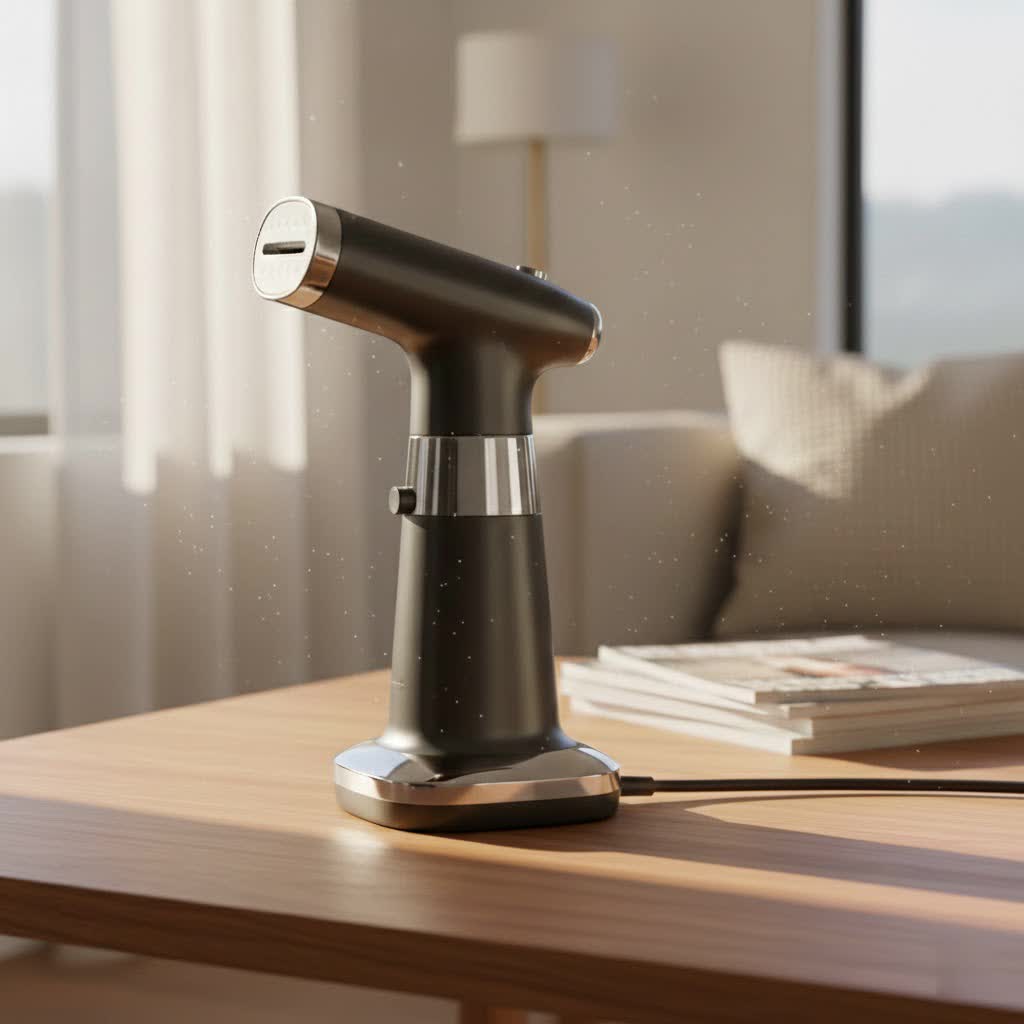
Do you find yourself constantly battling stubborn wrinkles, dreading the ironing board, or worrying about damaging delicate fabrics? A high-quality garment steamer might be the game-changing solution your wardrobe needs. These modern appliances offer a fast, convenient, and gentle way to refresh clothes and achieve a polished look, moving beyond the limitations of traditional irons. Whether you’re a busy professional, a frequent traveler, or simply someone who values perfectly crisp attire, choosing the right garment steamer can transform your daily routine.
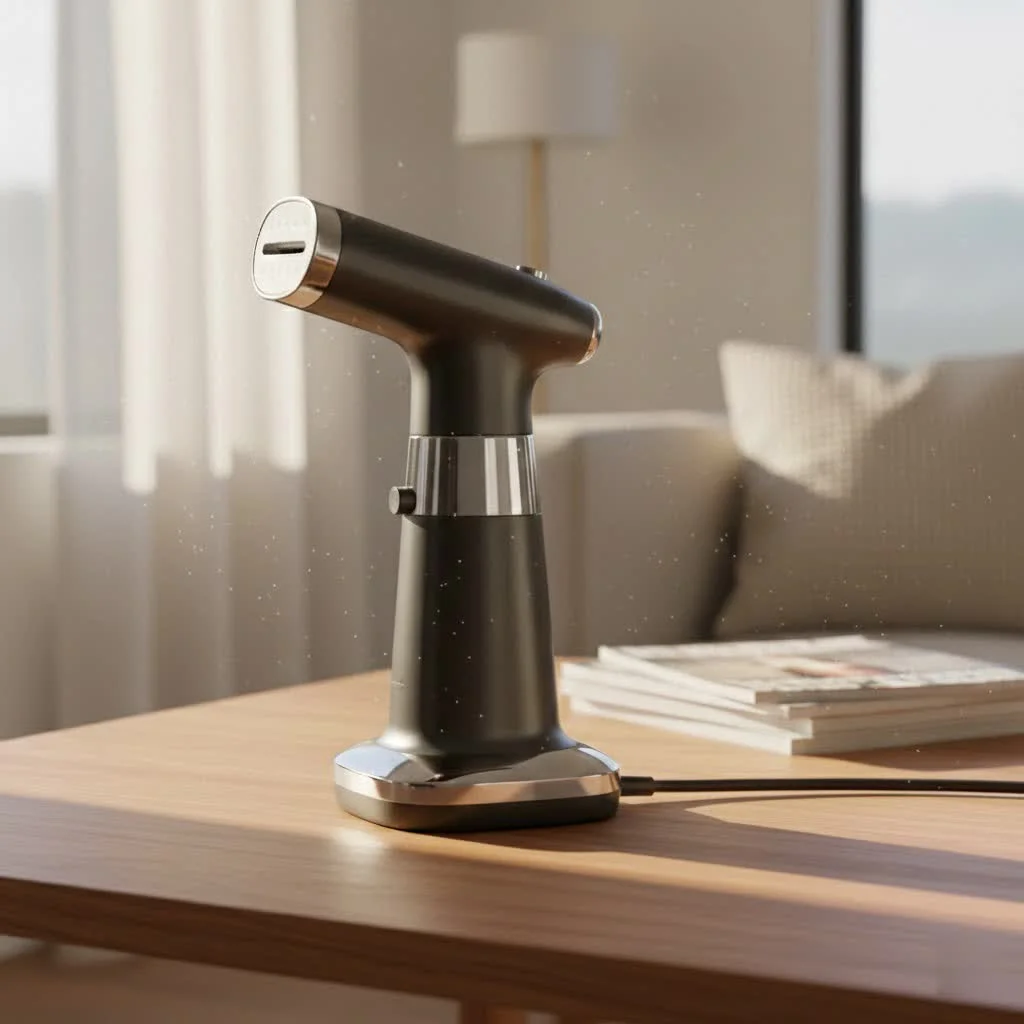
This comprehensive guide will walk you through everything you need to know about selecting and using the best garment steamer for your clothes. We’ll explore the advantages of steaming over ironing, delve into the different types of steamers available, highlight key features to consider when buying, and provide essential tips for effective use and maintenance. Get ready to say goodbye to creases and hello to effortlessly fresh garments!
Benefits of Garment Steamers
Garment steamers offer numerous advantages that make them a popular alternative or complement to traditional irons:
- Time and Convenience: Unlike irons that require an ironing board and a significant setup, steamers heat up quickly—often within 30 seconds to 3 minutes—allowing for rapid wrinkle removal on garments while they hang. This saves valuable time, especially during busy mornings or for last-minute touch-ups.
- Fabric Protection: Steamers use hot vapor to relax fabric fibers, removing wrinkles without direct contact or intense heat. This gentler process significantly reduces the risk of scorching, burning, or creating unwanted creases, making them ideal for delicate materials like silk, chiffon, lace, and synthetics that an iron might damage. They also protect fabrics like wool, velvet, and corduroy from being crushed.
- Odor Elimination and Sanitization: The hot steam penetrates deep into fabric, killing bacteria, dust mites, and allergens. This not only removes odors from sweat, smoke, or food but also freshens garments between washes or dry cleanings, extending their wear time and maintaining hygiene.
- Versatility: Beyond clothes, garment steamers are incredibly versatile. They can be used to refresh curtains, upholstery, bed skirts, pillows, and even mattresses, helping to sanitize and de-wrinkle various household textiles.
- Ease of Use: Many find steamers more user-friendly than irons. You simply hold the steamer head a few inches from the fabric and move it downwards, often requiring less physical effort and strain on your hands and wrists.
Types of Garment Steamers
Garment steamers come in several designs, each suited for different needs and lifestyles:
Handheld Garment Steamers
|
Our Picks for the Best Garment Steamer in 2026
As an Amazon Associate I earn from qualifying purchases.
|
||
| Num | Product | Action |
|---|---|---|
| 1 | HiLIFE Upgraded Steamer for Clothes, Handheld Portable Design, 1100W Powerful Steam, 300ml Larger Tank & No Leak Design, 30S Fast Heat-up, Quick Wrinkle Remover, Compact Size for Travel, ONLY 120V |

|
| 2 | Rowenta Handheld Steamer for Clothes, Pure Force 2in1 Steamer & Iron, 1875W, Vertical/Horizonal Steaming & Ironing, Lightweight, Auto-off, XL power, 1875 Watts, DR8822 |
|
| 3 | Riakrum Over-the-door Steaming Station 38" x 19" Clothes Steamer Station with Ironing Glove 100% Cotton Cover with an Aluminum Vapor Protection Layer for Home and Travel Use |
|
| 4 | Conair Handheld Garment Steamer for Clothes, Turbo ExtremeSteam 1875W Fabric Clothes Steamer, Portable Handheld Design, Strong Penetrating Steam, Blue |
|
| 5 | HiLIFE Steamer for Clothes, Portable Handheld Clothing Steamer, 240ml Big Capacity, 700W, Strong Power, Fabric Quick Wrinkle Remover with Brush for Home, Office, Travel (ONLY 120V) -Blue |
|
| 6 | Conair Turbo Extreme Steam Hand Held Fabric Steamer, GS59X, 1875W, 15 min, 7.3 oz, White/Champagne |
|
| 7 | Steamer for Clothes, 2-in-1 Portable Handheld Travel Steamer & Steam Iron, 1200W Powerful Wrinkle Remover, Smart Steam with 4 Modes, 10-Second Heat-Up, Perfect for Home & Travel. |
|
| 8 | Conair Handheld Garment Steamer for Clothes, Turbo ExtremeSteam 1875W Fabric Steamer, Portable Handheld Design, Strong Penetrating Steam, Amazon Exclusive, Black |
|
| 9 | OGHom Steamer for Clothes, Handheld Clothing Steamer for Garment, 240ml Big Capacity 700W Portable Travel Steam Iron (Blue) |
|
| 10 | Jack & Rose Travel Steamer for Clothes,100-220V Portable Iron,15s Heat Up,Steamer & Iron 2 In 1, Travel Size,Large Ceramic Heat Panel,for Global and Europe |
|
These compact, lightweight devices are designed for portability and quick touch-ups.
- Pros:
- Portability: Easy to pack for travel, ideal for business trips or vacations.
- Space-Saving: Takes up minimal storage space, perfect for small apartments or dorm rooms.
- Quick Heat-up: Often ready in under a minute, great for last-minute wrinkle emergencies.
- Affordable: Generally the most budget-friendly option.
- Cons:
- Smaller Water Tank: Requires frequent refills, limiting continuous steaming time (typically 10-15 minutes).
- Less Powerful Steam Output: May struggle with very thick fabrics or deeply set wrinkles compared to upright models.
- Potential for Arm Fatigue: Holding the unit for extended periods can be tiring.
- Best For: Individuals needing quick wrinkle fixes, travelers, those with limited storage, or for delicate items.
Upright Garment Steamers (Standing Steamers)
These larger, floor-standing units are designed for more extensive and frequent use, offering continuous steam and greater capacity.
- Pros:
- Large Water Tank: Provides longer continuous steaming sessions (30 minutes to over an hour) without constant refilling.
- Powerful Steam Output: Delivers stronger, more consistent steam to tackle heavy fabrics like cotton, linen, and denim, and stubborn creases.
- Built-in Hangers and Poles: Features adjustable poles and hangers for hands-free steaming, making it easier to manage garments.
- Versatile: Excellent for full wardrobes, drapes, curtains, and other large household items.
- Cons:
- Less Portable: Bulky and requires dedicated storage space.
- Longer Heat-up Time: Typically takes 3-5 minutes to be ready for use.
- Higher Price Point: Generally more expensive than handheld models.
- Best For: Households with large wardrobes, frequent users, those dealing with heavy fabrics, or for commercial use.
Travel Garment Steamers
A sub-category of handheld steamers, these are specifically designed for ultimate portability.
- Pros:
- Ultra-Compact: Extremely small and lightweight, fitting easily into any luggage.
- Rapid Heat-up: Often the fastest to heat up for immediate use.
- Cons:
- Very Small Water Tank: Meant only for emergency touch-ups on a few items.
- Lower Power: Less effective on significant wrinkles or heavier fabrics.
- Best For: Individuals who travel frequently and need to maintain a polished appearance on the go.
Hybrid Steamers (Steamer and Iron Combination)
These appliances offer the best of both worlds, combining vertical steaming with the option for flat pressing.
- Pros:
- Maximum Versatility: Allows users to switch between steaming delicate fabrics and pressing for crisp finishes on thicker materials.
- Space-Saving: Combines two functions into one device, reducing clutter.
- Cons:
- May Not Excel at Either: While versatile, they might not perform as well as a dedicated steamer or iron for specific tasks.
- Potentially Higher Cost: Reflects the dual functionality.
- Best For: Users who need both steaming and ironing capabilities regularly and want a single, adaptable appliance.
How to Choose the Best Garment Steamer
Selecting the ideal garment steamer involves considering several factors tailored to your specific needs.
Determine Your Usage Needs
Start by evaluating how often you’ll use the steamer and for what purpose:
- Frequency: Occasional touch-ups vs. daily wardrobe maintenance.
- Fabric Types: Delicate silks, synthetics, or heavier cottons and linens.
- Garment Volume: A few items vs. a full closet or household textiles.
- Portability: Do you need it for travel, or will it stay in one place?
Power (Wattage)
Wattage indicates the steamer’s heating capacity and steam output. Higher wattage generally means faster heat-up times and more powerful, consistent steam.
- Range: Models typically range from 500 watts to over 2000 watts.
- Recommendation: For home use, look for steamers between 1000 and 2000 watts for optimal performance and efficiency.
Water Tank Capacity and Run Time
The size of the water tank directly impacts how long you can steam continuously before refilling.
- Handheld: Smaller tanks (under 300ml) offer shorter run times (5-15 minutes).
- Upright: Larger tanks (1-2 liters or more) provide extended run times (30 minutes to over an hour).
- Consideration: If you plan to steam multiple garments or larger items, a larger tank is crucial to avoid frequent interruptions.
Heat-Up Time
A quick heat-up time is a major convenience factor.
- Fast: Many modern steamers are ready in 30 seconds to 3 minutes.
- Preference: For quick morning routines, prioritize models with rapid heat-up.
Steam Output and Settings
Look for consistent steam output and adjustable settings.
- Continuous Steam: A continuous steam option allows for easier, uninterrupted steaming without holding down a button.
- Multiple Settings: Different steam levels are beneficial for various fabric types, offering greater control and preventing potential damage.
- Steam Flow Rate: Measured in grams per minute, a higher rate indicates more efficient wrinkle removal.
Features and Attachments
Many steamers come with additional features that enhance usability and versatility:
- Automatic Shut-off: A vital safety feature that turns off the device when the water runs out or it overheats.
- Anti-drip Technology: Prevents water spitting or leakage, protecting your garments from water marks.
- Long Power Cord: Provides greater reach and flexibility, especially for upright models.
- Attachments:
- Fabric Brush: Helps steam penetrate thicker fabrics and remove lint.
- Crease Attachment: For creating sharper lines.
- Delicate Fabric Spacer: Protects fragile materials.
- Lint Brush: Removes fuzz and hair.
- Heat-resistant Glove: Essential for protecting hands during steaming.
Brand Reputation and Price
- Reputable Brands: Consider established brands known for quality and durability, such as Conair, Electrolux, Rowenta, CHI, and Jiffy.
- Price Range: Handheld steamers typically range from $30-$90, while upright models can cost $100-$200 or more, depending on features and power. Investing a bit more often leads to better performance and longevity.
Top Garment Steamer Models (Examples)
While specific models and their availability can vary, here are examples of highly-rated garment steamers that often receive praise for their performance:
- Best Overall (Handheld): Conair Turbo ExtremeSteam Handheld Fabric Steamer: Praised for its powerful steam, quick heat-up, multiple steam settings, and effectiveness on various fabrics.
- Best Overall (Upright): Electrolux Garment Steamer / Pure Enrichment PureSteam Pro Clothes Steamer: Known for immediate heat-up, strong continuous steam, and convenient features like a hanger and long cord, making it suitable for larger steaming tasks.
- Best for Travel: CHI Steam Handheld Garment Steamer: Valued for its compact, slim design, quick heat-up, and reliable performance even on the go, often coming with a travel pouch.
- Most Versatile (Hybrid): CHI SteamPress 3-in-1 Steamer and Iron: A popular choice for those seeking both steaming and ironing capabilities in one device.
How to Use Your Garment Steamer Effectively
Mastering the art of steaming is simple with these steps and tips:
Preparation
- Fill the Water Tank: Always use distilled water to prevent mineral buildup and extend the life of your steamer. Fill the tank to the indicated max fill line.
- Hang Your Garment: Hang the item on a hanger in a location where you have enough space, like a shower rod or a dedicated steaming station.
- Preheat: Plug in your steamer and allow it to fully heat up until the indicator light signals it’s ready, or until a continuous stream of steam is produced without sputtering (usually 30 seconds to 3 minutes).
- Test for Sputtering: Before applying to clothes, point the steamer away from you and let it steam for about a minute to clear any condensed water that might spit.
Steaming Techniques
- Hold Fabric Taut: Gently pull the bottom hem of the garment taut with your free hand. This helps flatten the fabric for better wrinkle removal. Always use a heat-resistant glove to protect your hand, especially with thinner fabrics.
- Steam Top to Bottom: Move the steamer nozzle slowly downwards over the fabric. Allow the steam to penetrate the fibers and relax the wrinkles. For more stubborn creases, you can go over the area multiple times.
- Steam Inside Out for Delicates: For very delicate fabrics like silk, chiffon, or items with embellishments, steam from the inside out to protect the material and prevent water marks.
- Mind the Distance: Keep the steamer head a few inches away from the fabric. Direct contact isn’t necessary for most steamers and can even be detrimental to some materials.
- Let it Dry: After steaming, allow the garment to cool and fully dry before wearing or putting it away. This helps set the wrinkle-free state and prevents new wrinkles from forming.
Common Garment Steamer Problems and How to Fix Them
Even the best garment steamers can encounter issues. Here’s how to troubleshoot common problems:
- No Steam or Intermittent Steam:
- Low Water Level: Check and refill the water tank.
- Mineral Buildup (Scale): This is the most common cause. Descale your steamer regularly using a vinegar and water solution (equal parts white vinegar and distilled water) or a commercial descaling product. Follow your manual’s instructions.
- Clogged Nozzle/Hose: Inspect for blockages and clear with a small brush or toothpick.
- Improper Assembly: Ensure the water tank is correctly seated and all parts are securely attached.
- Not Fully Heated: Wait for the steamer to reach its optimal temperature.
- Water Leaking or Spitting:
- Overfilled Tank: Do not fill the water tank above the maximum line.
- Using Tap Water: Minerals in tap water can cause spitting. Switch to distilled water.
- Tilted Steamer: Keep the steamer upright; some models leak if tilted.
- Not Preheated Enough: Let the steamer fully heat up to produce pure steam, not hot water droplets.
- Steamer Not Turning On:
- Power Supply: Check if the plug is fully inserted, the outlet is working, and the circuit breaker hasn’t tripped.
- Damaged Cord/Plug: Inspect for visible damage. Do not use if damaged and consider professional repair or replacement.
Safety Tips for Using a Garment Steamer
Working with hot steam requires caution to prevent burns or damage:
- Read the Manual: Always familiarize yourself with your specific steamer’s instructions and safety warnings.
- Use Distilled Water: This minimizes mineral buildup and extends the life of your steamer, while also preventing spitting that can cause burns.
- Never Point at Yourself or Others: Hot steam can cause severe burns. Always direct the nozzle away from skin, people, and pets.
- Use a Heat-Resistant Glove: Especially when holding fabrics taut, a protective glove is highly recommended.
- Ensure Stable Footing: Steam in a clear, dry area to prevent slips and falls.
- Unplug When Not in Use: Always unplug the steamer when refilling, cleaning, or storing, and allow it to cool down completely.
- Keep Out of Reach of Children: Store your steamer securely away from children and pets.
- Avoid Over-Steaming: Excessive heat can still damage certain fabrics. Check garment care labels.
- Don’t Use Near Water: Avoid operating the steamer near sinks, bathtubs, or other water sources to prevent electric shock.
Conclusion
Choosing the best garment steamer for your clothes is an investment in convenience, fabric care, and a consistently polished appearance. From compact handheld units perfect for travel and quick touch-ups to robust upright models designed for heavy-duty use, there’s a steamer to fit every lifestyle and need. By understanding the unique benefits, considering key features like power and water tank capacity, and following proper usage and safety guidelines, you can effortlessly banish wrinkles and keep your wardrobe looking its best. So, are you ready to embrace the ease and effectiveness of garment steaming and transform your clothing care routine?
Frequently Asked Questions
Is a garment steamer better than an iron?
Garment steamers are generally better for delicate fabrics, quick touch-ups, and items with embellishments, as they remove wrinkles without direct contact or risk of scorching. Irons are better for creating crisp pleats and sharp finishes on sturdy fabrics like cotton and linen. Many find having both provides the most versatile clothing care.
Can I use tap water in my garment steamer?
It is highly recommended to use distilled water in your garment steamer. Tap water contains minerals that can lead to limescale buildup, clogging the steamer and reducing its efficiency and lifespan. Using distilled water prevents these mineral deposits and ensures consistent steam output.
How often should I clean my garment steamer?
If you use your steamer regularly, especially with tap water, it’s advisable to clean and descale it at least once a month. For less frequent use or if you consistently use distilled water, every few months may suffice. Always refer to your specific model’s manual for detailed cleaning instructions.
What fabrics should not be steamed?
While most fabrics can be safely steamed, some materials with specific coatings, delicate plastics, or certain types of embroidery, sequins, or beading may not be suitable. Always check the garment care label first. If unsure, test on an inconspicuous area.
How long does a garment steamer take to heat up?
Most modern garment steamers heat up very quickly, typically ranging from 30 seconds to 3 minutes, depending on the model and its wattage. Handheld steamers often have faster heat-up times compared to larger upright units.
Get our weekly buyer guide
Practical specs, not advice. Unsubscribe anytime.
