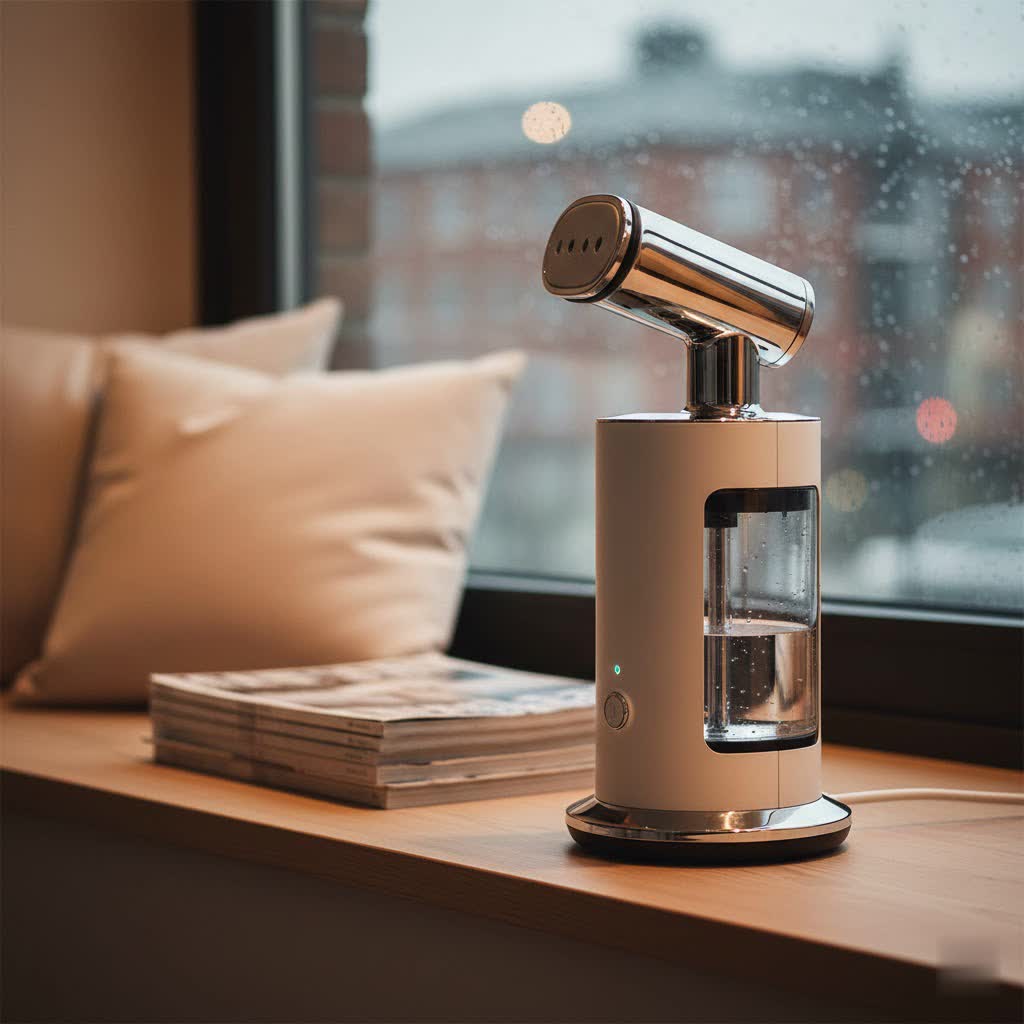
Are you tired of battling stubborn wrinkles with a traditional iron and ironing board, especially when you’re short on time or space? Imagine effortlessly smoothing out creases, refreshing fabrics, and even sanitizing your clothes with a compact, powerful device you can hold in your hand. Handheld garment steamers have revolutionized garment care, offering a quick, convenient, and gentle alternative for keeping your wardrobe pristine. If you’re seeking a solution that fits your busy lifestyle, this comprehensive guide will walk you through everything you need to know to choose the perfect handheld garment steamer.
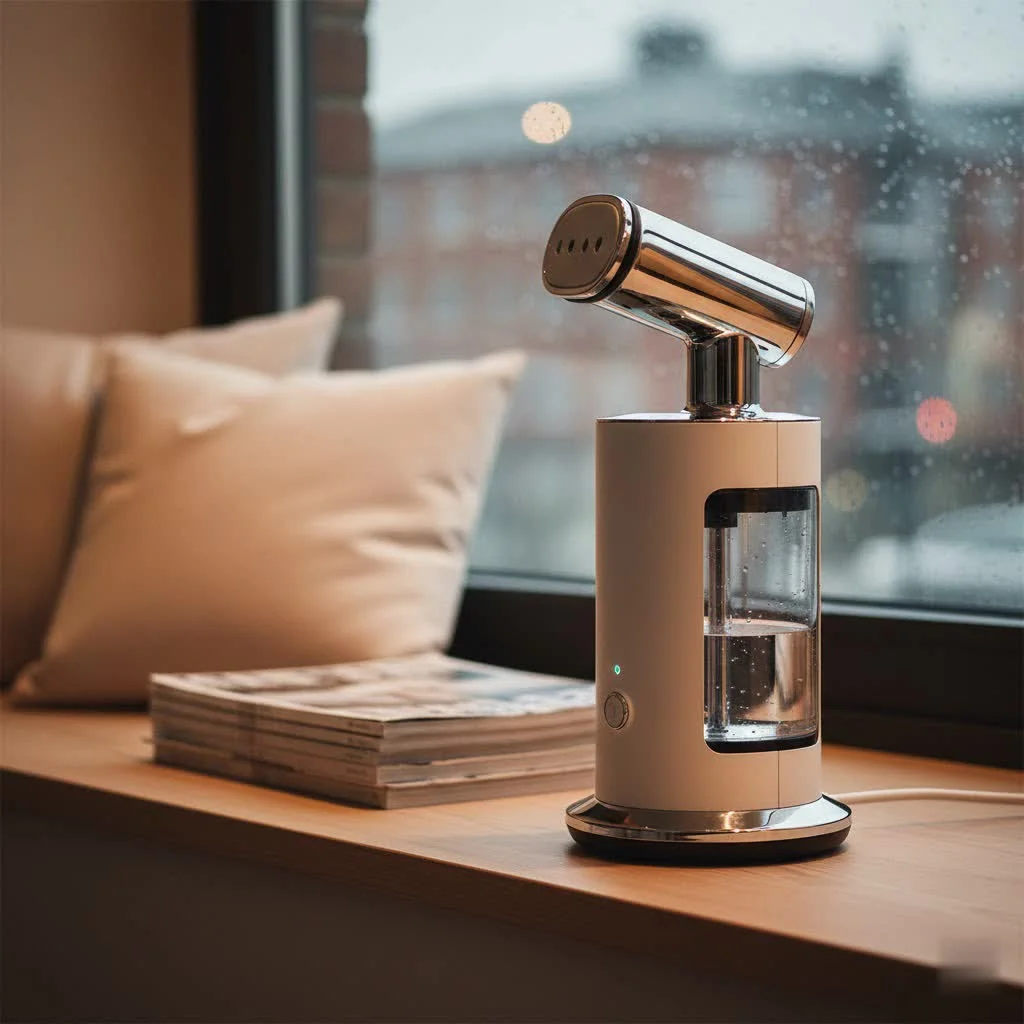
The Rise of the Handheld Garment Steamer: Why It’s a Must-Have
Handheld garment steamers have become an indispensable tool for modern garment care, offering a host of benefits that set them apart from traditional ironing methods. Their ease of use and efficiency make them a compelling choice for anyone looking to simplify their routine.
Faster & More Convenient than Traditional Ironing
One of the most significant advantages of a handheld garment steamer is its speed and convenience. Unlike irons that require setting up an ironing board and waiting for a soleplate to heat, most handheld steamers are ready to use in under a minute, often as quickly as 15 to 40 seconds. This rapid heat-up time makes them perfect for quick touch-ups before heading out the door, saving precious minutes in your busy schedule. You can simply hang your garment and glide the steamer over the fabric, eliminating the need for bulky ironing boards.
Gentle Fabric Care and Protection
Traditional irons apply direct heat and pressure, which can sometimes scorch delicate fabrics or leave shiny marks. Handheld steamers, however, use hot steam to relax the fibers of the fabric, effectively removing wrinkles without direct contact. This gentle process protects materials like silk, chiffon, wool, and even heavily embellished garments that might be easily damaged by an iron. According to Eleanor Lofte, a seamstress at Something Blue Bridal, steamers are ideal for fragile fabrics like polyester or nylon that are susceptible to heat damage, while irons are better suited for very thick fabrics or stubborn creases.
Odor Removal and Sanitization
Beyond wrinkle removal, the hot steam emitted by these devices penetrates deep into fabric fibers, helping to refresh clothes between washes. This process can effectively eliminate lingering odors, and some models are powerful enough to kill bacteria, dust mites, and allergens, promoting a healthier wardrobe. This makes them excellent for items that don’t need a full wash but could benefit from a quick freshening.
Versatility Beyond Clothing
Handheld garment steamers aren’t just for your clothes. Their versatile nature allows them to refresh and de-wrinkle a variety of household textiles. You can use them on curtains, drapes, upholstery, bed linens, pillows, and even pet bedding, making them a multi-functional tool for your home.
Perfect for Travel and On-the-Go Touch-Ups
For frequent travelers, a compact handheld steamer is a major upgrade. These lightweight, portable devices are designed to easily fit into suitcases and carry-on bags. Many feature foldable handles and small water tanks, ensuring you can keep your outfits wrinkle-free wherever your journey takes you. This portability means you’ll never have to rely on hotel irons again or wear wrinkled clothes on important trips.
Understanding Your Options: Types of Garment Steamers
|
Our Picks for the Best Garment Steamer in 2026
As an Amazon Associate I earn from qualifying purchases.
|
||
| Num | Product | Action |
|---|---|---|
| 1 | Steamer for Clothes, 2-in-1 Portable Handheld Travel Steamer & Steam Iron, 1200W Powerful Wrinkle Remover, Smart Steam with 4 Modes, 10-Second Heat-Up, Perfect for Home & Travel. |

|
| 2 | Rowenta Handheld Steamer for Clothes, Pure Force 2in1 Steamer & Iron, 1875W, Vertical/Horizonal Steaming & Ironing, Lightweight, Auto-off, XL power, 1875 Watts, DR8822 |
|
| 3 | Conair Handheld Garment Steamer for Clothes, Turbo ExtremeSteam 1875W Fabric Steamer, Portable Handheld Design, Strong Penetrating Steam, Amazon Exclusive, Black |
|
| 4 | OGHom Steamer for Clothes, Handheld Clothing Steamer for Garment, 240ml Big Capacity 700W Portable Travel Steam Iron (Blue) |
|
| 5 | HiLIFE Steamer for Clothes, Portable Handheld Clothing Steamer, 240ml Big Capacity, 700W, Strong Power, Fabric Quick Wrinkle Remover with Brush for Home, Office, Travel (ONLY 120V) -Blue |
|
| 6 | HiLIFE Upgraded Steamer for Clothes, Handheld Portable Design, 1100W Powerful Steam, 300ml Larger Tank & No Leak Design, 30S Fast Heat-up, Quick Wrinkle Remover, Compact Size for Travel, ONLY 120V |
|
| 7 | Jack & Rose Travel Steamer for Clothes,100-220V Portable Iron,15s Heat Up,Steamer & Iron 2 In 1, Travel Size,Large Ceramic Heat Panel,for Global and Europe |
|
| 8 | Conair Turbo Extreme Steam Hand Held Fabric Steamer, GS59X, 1875W, 15 min, 7.3 oz, White/Champagne |
|
| 9 | Conair Handheld Garment Steamer for Clothes, Turbo ExtremeSteam 1875W Fabric Clothes Steamer, Portable Handheld Design, Strong Penetrating Steam, Blue |
|
| 10 | Riakrum Over-the-door Steaming Station 38" x 19" Clothes Steamer Station with Ironing Glove 100% Cotton Cover with an Aluminum Vapor Protection Layer for Home and Travel Use |
|
While this guide focuses on handheld models, it’s helpful to understand the broader landscape of garment steamers. Generally, there are two main types: upright and handheld.
Handheld Steamers: Pros & Cons
- Pros:
- Portability: Extremely lightweight and compact, ideal for travel and small living spaces.
- Quick Heat-Up: Most are ready to steam in under a minute, perfect for last-minute touch-ups.
- Ease of Use: Simple operation, no ironing board required.
- Versatility: Can be used on hanging garments, upholstery, and even delicate fabrics.
- Cons:
- Smaller Water Tank: Requires more frequent refills compared to upright models.
- Shorter Steam Time: Limited continuous steam, typically 5-18 minutes per fill.
- Less Powerful for Heavy Fabrics: May take more passes to remove deep wrinkles from very thick materials.
Upright Steamers: A Brief Overview
Upright steamers are larger, floor-standing units with bigger water tanks and often more powerful steam output. They are best suited for home use where space isn’t an issue and for individuals who frequently steam large loads of laundry or heavy fabrics like suits and curtains. While more powerful and offering longer steam times, they lack the portability of handheld models.
Finding Your Perfect Match: Key Factors When Choosing a Handheld Garment Steamer
Selecting the best handheld garment steamer involves considering several crucial factors to ensure it meets your specific needs and expectations.
Power (Wattage) & Steam Output (g/min)
The wattage of a steamer (typically 500 to 1,500 watts for home models, though some can be up to 1,875 watts) directly impacts its heating speed and steam output. Higher wattage generally translates to more powerful steam, which removes wrinkles faster and more effectively, especially from thicker fabrics. Steam output, measured in grams per minute (g/min), indicates how much steam the device can produce. For example, some models offer steam output ranging from 18 to 28 g/min, with higher numbers signifying better wrinkle penetration.
Water Tank Capacity & Steam Time
Handheld steamer water tanks range significantly, typically from 2.5 ounces to over 10 ounces. A larger tank capacity means longer continuous steam time without needing refills. Handheld models generally offer 5 to 18 minutes of steam time per fill. If you plan to steam multiple garments or larger items, a model with a larger tank will reduce interruptions.
Heat-Up Time
For those mornings when every second counts, a fast heat-up time is invaluable. Most handheld steamers heat up in under 40 seconds, with some boasting readiness in just 15-25 seconds. This ensures you can quickly de-wrinkle an outfit without delay.
Continuous Steam Feature
Some handheld steamers require you to hold down a button to produce steam, which can cause hand fatigue during longer sessions. Models with a locking trigger or continuous steam function allow you to steam without constant pressure, offering a more comfortable and effortless experience.
Weight & Portability
Since “handheld” implies portability, the weight and design are paramount. Many excellent travel and compact handheld steamers weigh between 1.1 and 2.3 pounds. Look for features like foldable handles or a slim design if you intend to pack it for travel frequently.
Attachments & Accessories
Many steamers come with useful attachments that enhance their versatility:
- Fabric Brush: Helps steam penetrate clothes and removes lint.
- Silicone Band: Creates tension on the fabric for sharper results.
- Delicate Fabric Spacer: Provides a buffer to protect fragile materials.
- Lint Brush: Removes lint and fuzz from garments.
- Creaser: Helps create crisp lines on collars or pleats.
While not always essential, these accessories can significantly improve your steaming experience, especially for specific fabric types or desired finishes.
Safety Features
Prioritize steamers with automatic shut-off features, which turn off the device when the water tank is empty or after a period of inactivity. This adds a layer of safety and prevents potential damage to the appliance or your garments.
Cord Length & Dual Voltage for Travel
A longer power cord (e.g., 8-12 feet) provides greater flexibility and reach, which is particularly useful when steaming curtains or hard-to-reach areas. For international travelers, a steamer with dual voltage (100-240V) is a must, ensuring compatibility with different electrical systems worldwide when paired with the correct plug adapter.
Top Handheld Garment Steamer Models: A Comparison
Choosing from the array of handheld garment steamers can be daunting. Here’s a comparison of some top-rated models that excel in different categories:
| Model | Weight (lbs) | Water Tank (oz) | Heat-Up Time | Steam Time (min) | Wattage (W) | Settings | Key Pros | Key Cons |
|---|---|---|---|---|---|---|---|---|
| Conair Turbo ExtremeSteam | 2.0 | 7.3 | 38 sec | 15 | 1,875 | 5 | Excellent wrinkle removal, multiple settings, good attachments, powerful. | Small opening for refilling, some initial water spitting. |
| CHI Handheld Garment Steamer | 1.71 | 10.1 | 20 sec | 18 | 1,600 | 1 | Largest handheld tank, long steam time, comfortable grip, fabric brush included. | Occasional water sputtering, awkward button placement. |
| Philips 3000 Series Handheld | 1.85 | 3.4 | 25 sec | – | 220V | 1 | Best leakproof, powerful visible steam, quick heat-up, foldable handle. | Takes time to cool, no heatproof bag. |
| Jack & Rose Steamer & Iron | 1.6 | 5 | 15 sec | 10 | 1,000 | 3 | 2-in-1 steamer/iron, compact, strong continuous steam, dual voltage. | Can be heavy for extended use. |
| Nesugar Garment Steamer | <1 | 2.4 | 20 sec | – | 120V | 1 | Extremely lightweight, compact (smaller than a curling iron), very fast heat-up. | Spews water at first turn-on, short cord. |
| Polardo Portable Travel Steamer | 1.2 | 4 | 25 sec | 10 | 900 | 1 | Most compact, lightweight, effective on linen/light fabrics, on/off switch. | Small water reservoir opening, not ideal for large tasks. |
| Steamery Cirrus 3 Travel Steamer | 1.9 | 2.9 | 40 sec | – | 110-120V | 1 | Hybrid steamer/iron, beautiful design, effective steam output, auto shut-off, includes accessories. | Priciest option, small water tank requires precise filling, ironing function less effective than steaming. |
| Bear Travel Steamer | 2.16 | 4.05 | 10 sec | 10-15 | 120V | 1 | Best budget, very quick heat-up, can be used flat or hanging. | Less powerful steam output, requires continuous button hold. |
Mastering Your Handheld Steamer: Usage Tips for Flawless Results
Achieving wrinkle-free garments with a handheld steamer is simple once you master a few key techniques.
Preparation Before Steaming
First, fill the water tank with distilled water to prevent mineral buildup and white spots on your clothes, especially if you live in an area with hard water. Then, hang your garment on a sturdy hanger. A shower rod, door hook, or even the back of a chair can work if you don’t have a dedicated garment rack. Ensure the garment hangs freely to allow the steam to penetrate evenly. Plug in your steamer and allow it to heat up fully before use; this usually takes 15-40 seconds and helps prevent water spitting. Melissa Brooks, Senior Director of Marketing, Garment Care at Conair, advises letting the unit warm up on lower settings for a few minutes before switching to higher settings to reduce water droplets.
Steaming Techniques for Various Fabrics
- Pull the fabric taut: As you steam, gently pull the bottom hem of the garment to stretch the fabric. This creates tension, making it easier for the steam to relax creases.
- Downward strokes: Move the steamer head over the fabric in slow, downward strokes, allowing the steam to work its magic.
- Direct contact (mostly): For most fabrics, you can lightly press the steamer head against the fabric. However, for very delicate materials like silk, chiffon, or velvet, hold the steamer 1 to 2 inches away from the garment or steam them inside out to prevent potential heat or water damage.
- Targeting stubborn wrinkles: For deep creases or thicker fabrics, steam from the inside of the garment or apply a fabric brush attachment to help the steam penetrate more deeply.
- Collars and sleeves: Use a creaser attachment or carefully pinch the fabric as you steam for sharper lines. You can also hang pants upside down by their cuffs for easier steaming.
Post-Steaming Care
After steaming, always allow your garment to air dry and cool completely while still hanging before wearing or storing it. This helps set the fabric, prevents new wrinkles from forming, and ensures any residual moisture evaporates.
Troubleshooting Common Handheld Steamer Problems
Even the best handheld garment steamers can occasionally encounter minor issues. Here’s how to troubleshoot them:
- No Steam Output:
- Check water level: Ensure the tank has enough water.
- Allow full heat-up: The steamer may not have reached its optimal temperature. Wait a few more seconds until the indicator light (if any) signals readiness.
- Check for clogs: Mineral buildup can sometimes block the nozzle. Refer to the cleaning section for maintenance.
- Water Spitting or Leaking:
- This often occurs when the steamer hasn’t fully heated up or is tilted too much. Allow adequate warm-up time and hold the steamer upright.
- Using distilled water helps prevent mineral deposits that can cause spitting.
- Mineral Buildup:
- The primary cause is using tap water, especially in hard water areas. Stick to distilled water whenever possible.
- Regularly descale your steamer according to the manufacturer’s instructions. This usually involves steaming a vinegar solution through the unit.
Safety First: Important Precautions for Handheld Garment Steamer Use
While generally safe, it’s crucial to follow safety guidelines when using any electrical appliance that produces hot steam.
- General Safety Rules:
- Always keep the steamer out of reach of children and pets.
- Never use the steamer near water sources like sinks or bathtubs.
- Do not leave the steamer operating unattended.
- Unplug the steamer when refilling the water tank or when not in use.
- Be mindful that the handle can get warm during prolonged use; consider hand protection if sensitive.
- Ensure your steamer is dual voltage if planning to use it for international travel to avoid electrical hazards.
- Fabrics to Avoid:
- While steamers are gentle on most fabrics, avoid using them on materials like velvet, velour, suede, waxed jackets, or anything plastic, as these can melt, warp, or be damaged by the heat and moisture.
- Also, be cautious around decorative elements such as plastic buttons, beads, or metal snaps, as they can be affected by high heat.
Conclusion
A high-quality handheld garment steamer is an invaluable addition to any modern wardrobe, offering unparalleled convenience, efficiency, and gentle care for your clothes. From quick morning touch-ups to refreshing delicate fabrics and even sanitizing household textiles, these portable powerhouses simplify your life and help you always look your best. By understanding the key features, comparing top models, and following proper usage and safety guidelines, you can easily find a handheld steamer that perfectly fits your needs and budget. Isn’t it time to say goodbye to tedious ironing and embrace the effortless world of steaming?
Frequently Asked Questions
What are the main benefits of a handheld garment steamer over a traditional iron?
Handheld garment steamers offer faster de-wrinkling without an ironing board, are gentler on delicate fabrics, and can refresh and sanitize clothes, making them ideal for quick touch-ups and travel.
Can a handheld steamer completely replace an iron?
While a handheld steamer is excellent for most fabrics and quick wrinkle removal, an iron might still be preferred for creating crisp creases on structured garments or very thick materials like linen and heavy cotton. Many find that a steamer complements an iron rather than fully replacing it.
What kind of water should I use in my handheld steamer?
It is highly recommended to use distilled water in your handheld garment steamer. This prevents mineral buildup and avoids unsightly white spots or streaks on your clothes, extending the lifespan of your appliance.
How long does a handheld garment steamer take to heat up?
Most handheld garment steamers heat up very quickly, typically within 15 to 40 seconds. This rapid warm-up time is one of their main advantages for busy individuals.
Are handheld steamers safe for all types of fabrics?
Handheld steamers are safe for most fabrics, including delicate ones like silk, wool, and polyester, as they use steam to relax fibers without direct pressure. However, avoid using them on materials like velvet, suede, waxed jackets, or items with plastic embellishments, as these can be damaged by heat.
Can I travel internationally with my handheld garment steamer?
You can generally bring a travel steamer on an airplane. For international use, check if your steamer has dual voltage (100-240V). If so, you’ll only need a plug adapter for safe operation abroad. Steamers are often prohibited on cruise ships due to fire hazard concerns.
How do I prevent water from spitting or leaking from my handheld steamer?
Water spitting or leaking usually occurs if the steamer hasn’t fully heated up or is held at an improper angle. Ensure the steamer is completely hot before use and hold it upright. Using distilled water can also help prevent this issue.
Get our weekly buyer guide
Practical specs, not advice. Unsubscribe anytime.
