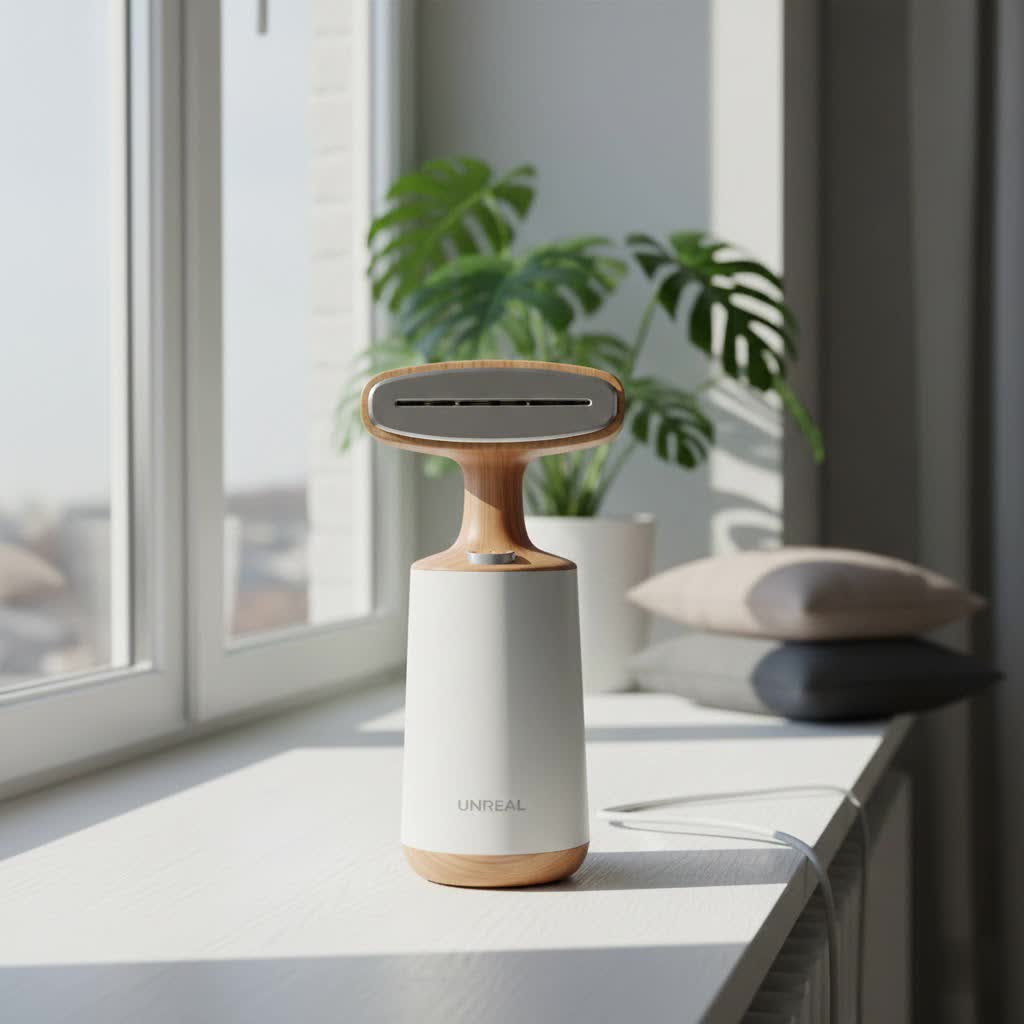
Achieving a polished, wrinkle-free appearance for your garments is no longer a luxury, but a necessity in today’s fast-paced world. For busy professionals, fashion enthusiasts, or anyone seeking a more efficient way to care for their wardrobe, the garment steamer has emerged as an indispensable tool. Far surpassing the limitations of traditional irons, modern garment steamers offer a quick, gentle, and effective solution to keep your clothes looking their best. This comprehensive guide will navigate you through the world of professional garment steamers, helping you understand their benefits, explore different types, compare top models, and make an informed decision to elevate your garment care routine.
The Transformative Benefits of a Garment Steamer
For years, the iron reigned supreme in the battle against wrinkles, but garment steamers have presented a compelling alternative, especially for those prioritizing speed, fabric safety, and versatility. Unlike irons that use direct heat and pressure, steamers employ hot vapor to relax fabric fibers, effortlessly smoothing out creases without the risk of scorching or creating unwanted shine. This gentle approach makes them ideal for a wide array of materials, from delicate silks and satins to sturdy linens and wools.
Beyond wrinkle removal, a professional garment steamer offers a host of other advantages. It significantly cuts down on the time and effort typically spent on ironing, eliminating the need for an ironing board and allowing for quick touch-ups directly on a hanger. The hot steam also acts as a natural deodorizer and sanitizer, killing bacteria and refreshing garments between washes or dry cleaning, thereby extending their lifespan. For items with intricate details, pleats, or embellishments, a steamer can reach areas an iron simply cannot, preserving their original shape and integrity.
Exploring Types of Garment Steamers
The market offers a diverse range of garment steamers, each designed to cater to specific needs and usage patterns. Understanding these categories is crucial to selecting the best professional garment steamer for your requirements.
Handheld Garment Steamers
- Advantages: These compact and lightweight devices are perfect for quick daily touch-ups, small loads, or refreshing clothes on the go. They heat up rapidly and are highly portable, often fitting into luggage with ease. Many modern handheld steamers offer impressive power despite their size, making them suitable for business travel or maintaining a sharp look away from home.
- Disadvantages: Typically have smaller water tanks, requiring more frequent refills during extended use. Their power output may also be less robust than upright models, which can mean more passes for stubborn wrinkles on heavier fabrics.
- Best for: Individuals with limited storage space, frequent travelers, or those who need a convenient solution for last-minute wrinkle removal.
Upright Garment Steamers
|
Our Picks for the Best Garment Steamer in 2026
As an Amazon Associate I earn from qualifying purchases.
|
||
| Num | Product | Action |
|---|---|---|
| 1 | Riakrum Over-the-door Steaming Station 38" x 19" Clothes Steamer Station with Ironing Glove 100% Cotton Cover with an Aluminum Vapor Protection Layer for Home and Travel Use |

|
| 2 | Conair Handheld Garment Steamer for Clothes, Turbo ExtremeSteam 1875W Fabric Clothes Steamer, Portable Handheld Design, Strong Penetrating Steam, Blue |
|
| 3 | Conair Handheld Garment Steamer for Clothes, Turbo ExtremeSteam 1875W Fabric Steamer, Portable Handheld Design, Strong Penetrating Steam, Amazon Exclusive, Black |
|
| 4 | Conair Turbo Extreme Steam Hand Held Fabric Steamer, GS59X, 1875W, 15 min, 7.3 oz, White/Champagne |
|
| 5 | HiLIFE Steamer for Clothes, Portable Handheld Clothing Steamer, 240ml Big Capacity, 700W, Strong Power, Fabric Quick Wrinkle Remover with Brush for Home, Office, Travel (ONLY 120V) -Blue |
|
| 6 | OGHom Steamer for Clothes, Handheld Clothing Steamer for Garment, 240ml Big Capacity 700W Portable Travel Steam Iron (Blue) |
|
| 7 | HiLIFE Upgraded Steamer for Clothes, Handheld Portable Design, 1100W Powerful Steam, 300ml Larger Tank & No Leak Design, 30S Fast Heat-up, Quick Wrinkle Remover, Compact Size for Travel, ONLY 120V |
|
| 8 | Jack & Rose Travel Steamer for Clothes,100-220V Portable Iron,15s Heat Up,Steamer & Iron 2 In 1, Travel Size,Large Ceramic Heat Panel,for Global and Europe |
|
| 9 | Steamer for Clothes, 2-in-1 Portable Handheld Travel Steamer & Steam Iron, 1200W Powerful Wrinkle Remover, Smart Steam with 4 Modes, 10-Second Heat-Up, Perfect for Home & Travel. |
|
| 10 | Rowenta Handheld Steamer for Clothes, Pure Force 2in1 Steamer & Iron, 1875W, Vertical/Horizonal Steaming & Ironing, Lightweight, Auto-off, XL power, 1875 Watts, DR8822 |
|
- Advantages: Featuring larger water tanks and more powerful heating elements, upright steamers provide longer continuous steaming sessions, making them ideal for tackling multiple garments, larger items like drapes, or a full week’s wardrobe. Most come with built-in hangers and telescopic poles, offering a hands-free steaming experience. They deliver consistent, high-volume steam essential for more demanding tasks.
- Disadvantages: Less portable due to their size and weight, requiring dedicated storage space. Their heat-up time can be slightly longer than handheld models.
- Best for: Households with large laundry loads, frequent garment care, or those who regularly steam heavier fabrics and household textiles.
Travel Garment Steamers
- Advantages: Specifically designed for portability, these are often a sub-category of handheld steamers, focusing on compact design, lightweight construction, and sometimes dual-voltage compatibility for international use. They ensure you can maintain a pristine wardrobe no matter where your travels take you.
- Disadvantages: Tend to have the smallest water tanks and may offer less power or fewer features than their home-based counterparts.
- Best for: Business travelers, vacationers, or anyone who needs a reliable wrinkle solution while on the move.
Commercial/Professional-Grade Garment Steamers
- Advantages: Built for heavy-duty, continuous use, these steamers boast industrial-strength power, exceptionally large water tanks, and durable components. They are designed for demanding environments such as retail stores, dry cleaners, fashion studios, or costume departments, where efficiency and performance are paramount. They provide sustained, powerful steam output for hours, handling high volumes of varied fabrics with ease.
- Disadvantages: Significantly more expensive, larger, and heavier than household models, making them impractical for typical home use.
- Best for: Businesses and professionals requiring high-volume, continuous steaming and superior durability.
Top Professional Garment Steamer Models: A Comparison
Choosing a professional garment steamer means looking for a blend of power, capacity, and reliability. Here’s a comparison of some top-rated models that stand out in performance and features.
| Model | Type | Wattage | Water Tank | Heat-up Time | Run Time | Key Features | Pros | Cons |
|---|---|---|---|---|---|---|---|---|
| Jiffy J-2000M | Upright | 1300W | 2.84 L | < 2 min | 1.5 hrs | Durable, solid brass heating element, rolling casters, no-drip hose | Extremely reliable, long-lasting, powerful steam | Higher price, less portable, basic design |
| SALAV X3A Heavy Duty | Commercial | 1800W | 3 L | Fast | 90+ min | Continuous steam, rolling wheels, telescopic bar, multi-functional hanger | High power, extended runtime, ideal for heavy use | Bulky, industrial aesthetic |
| Conair Turbo ExtremeSteam | Handheld | 1875W | 215 mL | 30-40 sec | 10-15 min | 5 steam settings, dual heat technology, continuous steam lock, attachments | Fast heat-up, powerful for handheld, versatile | Smaller tank requires refills for multiple items |
| PurSteam PS950 | Upright | 1500W | 2.5 L | 60 sec | 60+ min | 4 steam levels, anti-drip, auto shut-off, fabric brush & pants press | Large tank, good run time, quick heat-up, affordable | May not match industrial durability of Jiffy/SALAV |
| Nesugar G10 Portable | Handheld/Travel | ~1000W | 100 mL | 15 sec | 10-15 min | Multi-voltage, ergonomic design, precise steam head, no-drip, lightweight | Extremely fast heat, stable output, travel-friendly | Smallest tank, limited for very large jobs |
Note: Specifications may vary slightly by model version and region.
Your Expert Buying Guide for Garment Steamers
Selecting the ideal garment steamer involves more than just picking a popular model. Consider these factors to ensure your choice aligns with your specific needs and expectations for professional results.
Determine Your Usage Needs
Before diving into specifications, assess your steaming habits. Do you primarily need quick touch-ups for a few shirts, or do you handle large batches of delicate dresses and suits? Will you be steaming heavy drapes or upholstery, or is it strictly for clothes? Your frequency of use and the types of fabrics you commonly steam will guide your choice between a handheld, upright, or even a commercial-grade unit.
Power (Wattage)
The wattage of a garment steamer directly correlates with its heating speed and steam output. For truly professional and efficient results, look for models with at least 1500 watts. Higher wattage means the steamer heats up faster and produces a more robust, consistent flow of steam, which is crucial for tackling stubborn wrinkles and thicker fabrics effectively.
Water Tank Capacity
A larger water tank allows for longer continuous steaming sessions without the interruption of refills. Handheld steamers typically have smaller tanks (around 100-250ml), offering 5-15 minutes of steam. Upright and commercial models, with tanks ranging from 1.5 to 3 liters or more, can provide 60 minutes to several hours of continuous steam, making them ideal for extensive steaming tasks.
Key Features
- Heat-up Time: For professionals on a tight schedule, a fast heat-up time (under 60 seconds) is paramount. Some advanced models can be ready in as little as 15-30 seconds.
- Continuous Steam: A lockable trigger or a continuous steam mode eliminates the need to hold down a button, reducing hand fatigue during longer sessions.
- Auto-Shutoff: A vital safety feature that turns off the steamer if it runs out of water or overheats, preventing damage to the unit and potential hazards.
- Anti-Drip/Spill Technology: Prevents hot water from spitting onto your garments, which can cause water stains, especially on delicate fabrics.
- Multiple Steam Settings: Adjustable steam levels allow you to customize the output based on the fabric type, providing gentle steam for silks and a powerful burst for heavy cottons.
- Attachments: Look for accessories like fabric brushes (to help steam penetrate thicker materials and remove lint), crease tools (for crisp pleats), and specialized hangers or clips.
- Ergonomic Design: A comfortable handle and a well-balanced design are important, especially for handheld models used for extended periods. The ability to steam at various angles without dripping is a mark of quality.
Brand Reputation
Investing in a steamer from a reputable brand often translates to better quality, durability, and customer support. Brands like Jiffy, Conair, Rowenta, Electrolux, SALAV, and PurSteam are frequently recommended by experts and users alike for their reliable performance.
Price Point
Garment steamers range widely in price, from budget-friendly handheld units under $50 to high-end commercial models costing several hundred dollars. While more expensive models often offer superior power, durability, and features, you can still find quality performers in the mid-range. Consider your budget in conjunction with your specific needs to find the best value.
Durability and Maintenance Costs
Professional use demands robust construction. Look for steamers made with high-quality materials, such as stainless steel components and sturdy plastic casings. Also, consider the long-term maintenance; features like convenient water inlets, replaceable filters to prevent scale blockage, and heat-resistant nozzles contribute to the longevity and overall professional patience of the device.
Mastering Your Garment Steamer: Usage and Maintenance
To achieve optimal results and extend the life of your professional garment steamer, proper usage and maintenance are essential.
Preparation Before Steaming
- Hang Your Garment: Always hang the garment on a hanger. This allows the fabric to stretch naturally and provides easier access for the steam.
- Fill the Water Tank: Use distilled water to prevent mineral buildup and extend the life of your steamer. Fill the tank to the recommended level.
- Heat Up: Plug in the steamer and wait for it to heat up completely. Most models will have an indicator light to signal when it’s ready to produce steam.
Steaming Techniques for Various Fabrics
- General Technique: Hold the steamer nozzle a few centimeters (1-2 inches) away from the fabric. Glide the nozzle vertically over the garment, pulling the fabric taut with your free hand (using a heat-resistant glove for safety). Work from top to bottom.
- Delicate Fabrics (Silk, Satin, Chiffon): Use a lower steam setting if available. Keep a greater distance from the fabric and move quickly to avoid over-saturating. Never let the steam head touch delicate materials.
- Heavier Fabrics (Wool, Denim, Cotton): Use a higher steam setting. The fabric brush attachment can help open up fibers, allowing steam to penetrate more deeply and effectively remove stubborn wrinkles. You might need to make a few passes.
- Hard-to-Reach Areas: Utilize specific attachments or the edge of the nozzle for collars, cuffs, and pleats. For inside sleeves or pant legs, steam from the inside out.
Cleaning and Storage
Regular cleaning prevents mineral buildup, ensuring efficient performance and longevity.
- Empty Water Tank: After each use, empty any remaining water from the tank to prevent stagnant water and mineral deposits.
- Descaling: Depending on your water hardness and frequency of use, descale your steamer every few weeks or months. Most manufacturers recommend a solution of white vinegar and water. Follow the specific instructions in your user manual.
- Wipe Down: Clean the exterior of the steamer and the nozzle with a damp cloth.
- Storage: Store your garment steamer in a cool, dry place, ensuring the hose (for upright models) is not kinked.
Common Garment Steamer Issues and How to Fix Them
Even the best professional garment steamers can occasionally encounter minor issues. Here’s how to troubleshoot common problems:
My Steamer Isn’t Producing Steam
- Check Water Level: Ensure the water tank is filled above the minimum level.
- Proper Heating: Wait until the steamer is fully heated. The indicator light should confirm it’s ready.
- Clog: Mineral buildup can clog the nozzle. Descale the steamer according to the manufacturer’s instructions.
- Power Connection: Ensure the steamer is securely plugged into a working outlet.
My Steamer is Leaking Water
- Overfilling: Avoid overfilling the water tank.
- Tilting: Keep handheld steamers upright. Tilting them too much can cause water to escape.
- Mineral Buildup: A clogged nozzle can cause pressure buildup and leaks. Descale your unit.
- Condensation: Some minor dripping is normal due to condensation, especially if the steam head hasn’t fully heated.
My Steamer is Clogged
- Descaling is Key: Mineral deposits (limescale) from tap water are the most common cause of clogs. Regularly descale your steamer using a vinegar solution or a commercial descaling agent.
- Use Distilled Water: Always use distilled or demineralized water to prevent mineral buildup in the first place.
Essential Safety Tips for Garment Steamer Use
While garment steamers are generally safer than irons, it’s crucial to follow safety guidelines to prevent accidents.
- Keep Out of Reach of Children and Pets: The hot steam and hot parts of the steamer can cause burns.
- Never Point at People or Animals: Steam can cause severe burns. Always direct the steam away from yourself and others.
- Do Not Overfill the Water Tank: This can lead to leaking and spitting hot water.
- Use on a Stable Surface: Ensure upright steamers are placed on a flat, stable surface where they won’t tip over.
- Do Not Use Near Water: Avoid using the steamer near sinks, bathtubs, or other water sources to prevent electrical shock.
- Unplug When Not in Use: Always unplug the steamer when refilling the water tank, cleaning, or when it’s not in active use.
- Allow to Cool: Let the steamer cool down completely before storing it.
Conclusion
A professional garment steamer is a game-changer for maintaining a pristine wardrobe with minimal effort and maximum care. From the rapid wrinkle removal it offers to its gentle touch on delicate fabrics and its sanitizing properties, the benefits are undeniable. By understanding the different types, key features, and best practices for use and maintenance, you are now equipped to choose a garment steamer that not only meets your professional demands but also enhances your daily life. Embrace the power of steam and say goodbye to wrinkles, effortlessly keeping your clothes looking sharp and fresh.
What will be the next garment-care innovation that simplifies your routine?
Frequently Asked Questions
Can a garment steamer completely replace a traditional iron?
While a garment steamer is highly effective for most fabrics and daily wrinkle removal, it may not entirely replace an iron for achieving crisp creases or flattening very thick materials like denim or organza. Irons are still superior for sharp pleats and deeply set wrinkles. However, for convenience, speed, and fabric safety, a steamer is often the preferred choice.
Is it safe to use tap water in my garment steamer?
It is highly recommended to use distilled or demineralized water in your garment steamer. Tap water contains minerals that can build up over time, leading to clogs, reduced steam output, and damage to the heating element, thereby shortening the lifespan of your appliance.
How often should I descale my garment steamer?
The frequency of descaling depends on how often you use your steamer and the hardness of your tap water (if you don’t use distilled water). Generally, descaling every few weeks to once a month for regular use is advisable. Always refer to your steamer’s user manual for specific descaling instructions.
What’s the difference between a clothes steamer and a fabric steamer?
The terms “clothes steamer” and “fabric steamer” are often used interchangeably. They refer to the same type of appliance designed to remove wrinkles and refresh various fabrics using steam.
Can I use a garment steamer on all types of fabrics?
Garment steamers are safe for most fabrics, including delicate materials like silk, satin, chiffon, and lace, as well as common fabrics like cotton, linen, wool, and polyester. They are much gentler than irons as they don’t apply direct heat and pressure. However, it’s always wise to test on an inconspicuous area first or check the garment care label.
How long does it take for a garment steamer to heat up?
Most modern garment steamers heat up very quickly, with handheld models often ready in 15-40 seconds and upright models typically taking 1-2 minutes. This rapid heat-up time contributes significantly to their convenience for quick touch-ups.
Get our weekly buyer guide
Practical specs, not advice. Unsubscribe anytime.
