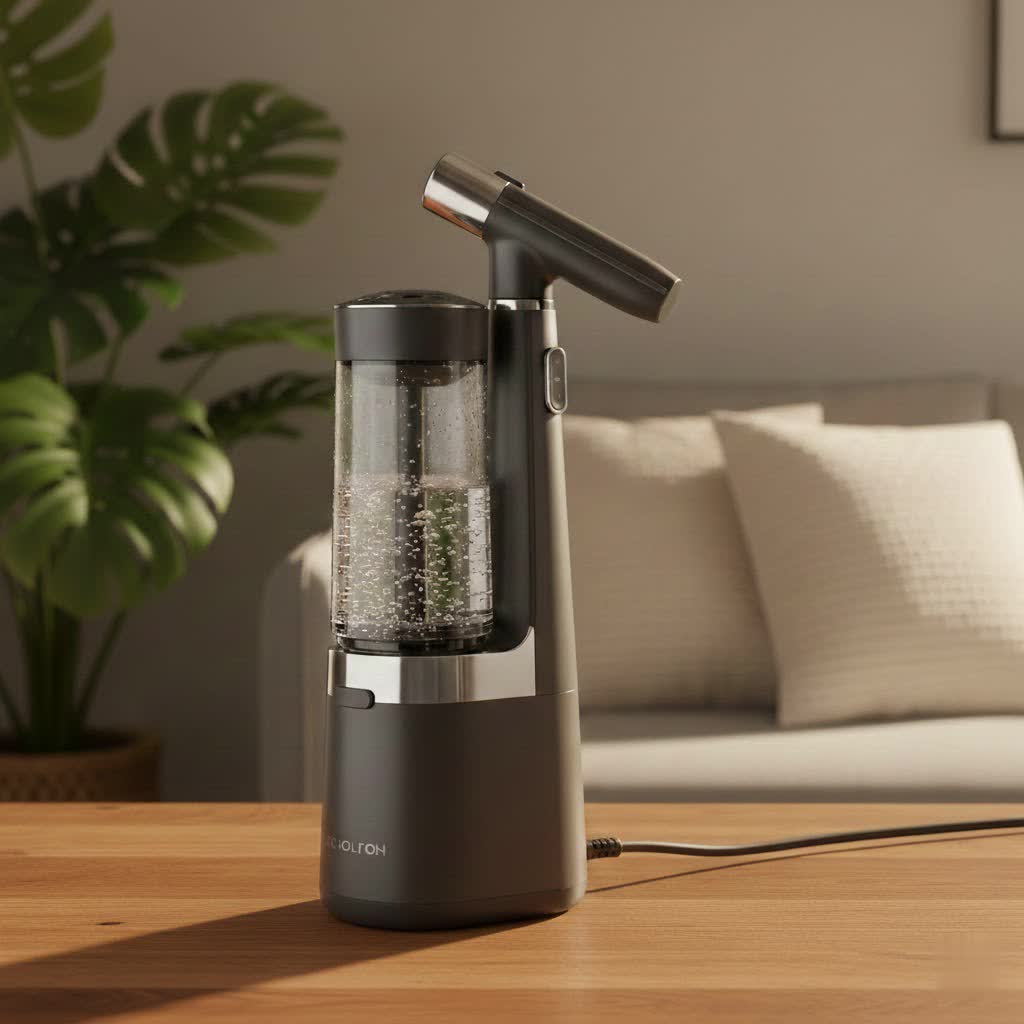
Achieving a polished, wrinkle-free look for your clothes no longer requires the hassle of a traditional iron and ironing board. In today’s fast-paced world, garment steamers have become an indispensable tool for maintaining a pristine wardrobe, offering a gentler, quicker, and more convenient solution for fabric care. Whether you’re a busy professional, a fashion enthusiast, or simply someone who appreciates well-kept garments, a high-quality standing garment steamer can transform your daily routine.
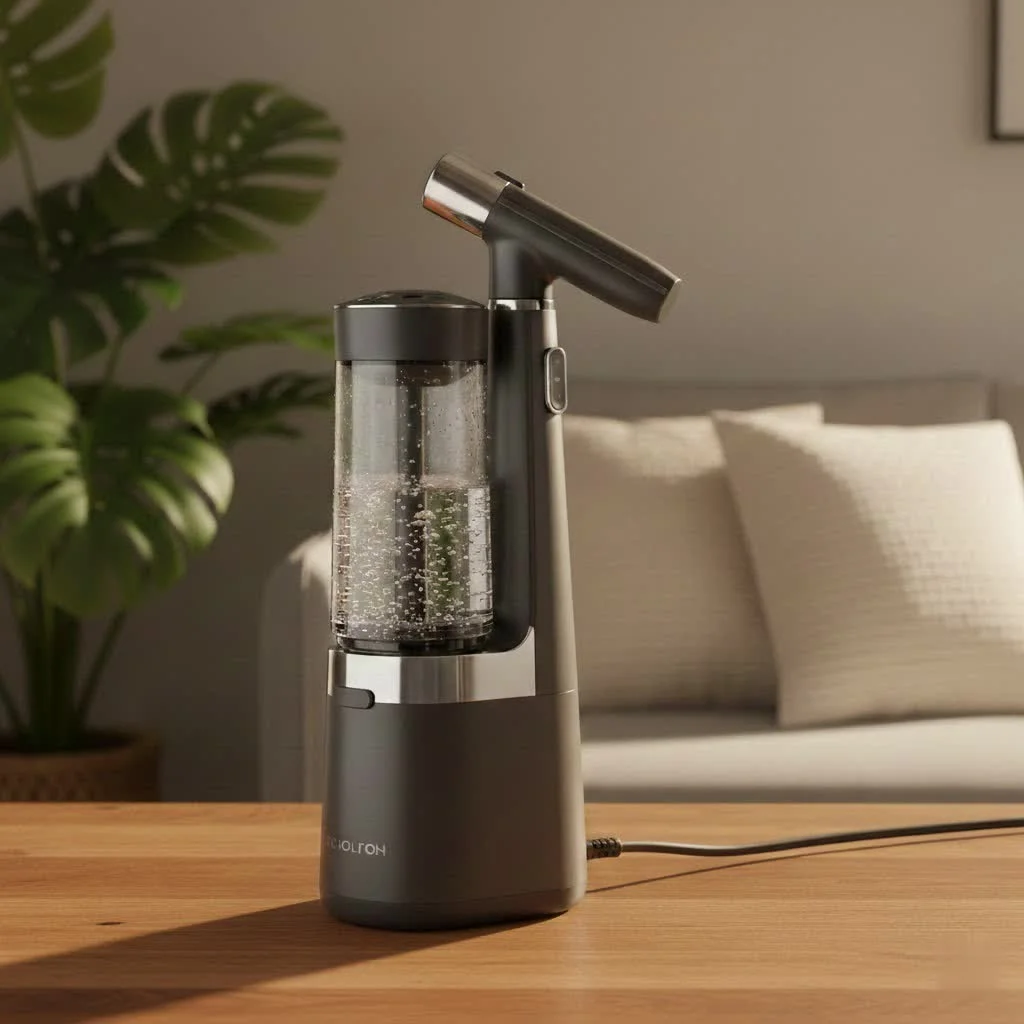
These robust appliances are designed for consistent performance, offering powerful steam output and large water capacities to tackle even the most demanding steaming tasks. From delicate silks to heavy denim, a good standing steamer can smooth out creases, refresh fabrics, and even sanitize garments, all with minimal effort.
The Unrivaled Benefits of a Standing Garment Steamer
Why choose a standing garment steamer over other methods? The advantages are plentiful, addressing common pain points associated with traditional ironing and smaller, less powerful steamers.
Gentle on Fabrics
Traditional irons apply direct heat and pressure, which can often damage delicate fibers, cause scorching, or leave shiny spots on certain materials. Standing garment steamers, however, relax fabric fibers with powerful jets of steam, making them ideal for a wide range of materials, including silk, chiffon, lace, and even intricately embellished garments. This gentle approach preserves the integrity and lifespan of your clothes.
Time-Saving and Effortless
Imagine cutting down your ironing time significantly. Standing steamers heat up quickly and provide a continuous flow of steam, allowing you to de-wrinkle clothes in minutes. There’s no need to constantly adjust garments on an ironing board or wait for the iron to heat up. Simply hang your item, apply the steam, and watch wrinkles disappear, saving you precious time and effort in your busy schedule.
Superior Wrinkle Removal and Fabric Refreshment
Standing steamers excel at removing wrinkles from large items like curtains, drapes, and bedding, as well as garments that are difficult to iron, such as suits, pleated skirts, or items with complex designs. The continuous steam not only smooths creases but also helps to refresh fabrics, removing odors and leaving clothes feeling cleaner and revitalized. This can extend the time between washes and dry-cleaning visits.
Sanitizing and Deodorizing Properties
Beyond wrinkle removal, the hot steam generated by these machines can kill up to 99.9% of bacteria and dust mites, offering a sanitizing effect without harsh chemicals. This is particularly beneficial for clothing that can’t be washed frequently, children’s clothes, upholstery, and even mattresses, contributing to a healthier home environment and keeping garments fresh.
Exploring Different Types of Garment Steamers
While this article focuses on standing garment steamers, it’s helpful to understand the landscape of fabric care appliances.
Handheld Steamers
|
Our Picks for the Best Garment Steamer in 2026
As an Amazon Associate I earn from qualifying purchases.
|
||
| Num | Product | Action |
|---|---|---|
| 1 | Riakrum Over-the-door Steaming Station 38" x 19" Clothes Steamer Station with Ironing Glove 100% Cotton Cover with an Aluminum Vapor Protection Layer for Home and Travel Use |

|
| 2 | Rowenta Handheld Steamer for Clothes, Pure Force 2in1 Steamer & Iron, 1875W, Vertical/Horizonal Steaming & Ironing, Lightweight, Auto-off, XL power, 1875 Watts, DR8822 |
|
| 3 | Jack & Rose Travel Steamer for Clothes,100-220V Portable Iron,15s Heat Up,Steamer & Iron 2 In 1, Travel Size,Large Ceramic Heat Panel,for Global and Europe |
|
| 4 | OGHom Steamer for Clothes, Handheld Clothing Steamer for Garment, 240ml Big Capacity 700W Portable Travel Steam Iron (Blue) |
|
| 5 | HiLIFE Steamer for Clothes, Portable Handheld Clothing Steamer, 240ml Big Capacity, 700W, Strong Power, Fabric Quick Wrinkle Remover with Brush for Home, Office, Travel (ONLY 120V) -Blue |
|
| 6 | HiLIFE Upgraded Steamer for Clothes, Handheld Portable Design, 1100W Powerful Steam, 300ml Larger Tank & No Leak Design, 30S Fast Heat-up, Quick Wrinkle Remover, Compact Size for Travel, ONLY 120V |
|
| 7 | Conair Handheld Garment Steamer for Clothes, Turbo ExtremeSteam 1875W Fabric Clothes Steamer, Portable Handheld Design, Strong Penetrating Steam, Blue |
|
| 8 | Conair Turbo Extreme Steam Hand Held Fabric Steamer, GS59X, 1875W, 15 min, 7.3 oz, White/Champagne |
|
| 9 | Conair Handheld Garment Steamer for Clothes, Turbo ExtremeSteam 1875W Fabric Steamer, Portable Handheld Design, Strong Penetrating Steam, Amazon Exclusive, Black |
|
| 10 | Steamer for Clothes, 2-in-1 Portable Handheld Travel Steamer & Steam Iron, 1200W Powerful Wrinkle Remover, Smart Steam with 4 Modes, 10-Second Heat-Up, Perfect for Home & Travel. |
|
Compact and portable, handheld steamers are excellent for quick touch-ups, travel, or small apartments where space is a concern. They heat up rapidly and are easy to maneuver. However, their smaller water tanks mean shorter steaming times and less powerful steam output, making them less suitable for large loads or heavily wrinkled fabrics.
Upright/Standing Garment Steamers
These are the focus of our discussion. Characterized by a large water reservoir, a telescopic pole with a hanger, and a powerful steam output, standing models are designed for heavy-duty, regular use. They offer extended steaming sessions, consistent performance, and often come with additional features like garment clips, brushes, and even vertical support boards for easier steaming. They are a staple in professional settings and are increasingly popular in homes.
Travel Steamers
Even smaller than standard handheld models, travel steamers are designed for ultimate portability. They are lightweight and often dual-voltage, making them perfect for international trips. Their capacity and power are limited, suitable primarily for minor touch-ups on the go.
Hybrid Iron/Steamer Systems
Some advanced models combine the functionality of both an iron and a steamer. These hybrids often feature a heated soleplate that can be used for pressing, alongside continuous steam for vertical steaming. They offer versatility, bridging the gap between a crisp ironed finish and the gentleness of steam, but can be bulkier and more expensive.
Top Standing Garment Steamers: A Detailed Comparison
Choosing the best standing garment steamer involves weighing various factors such as power, water tank capacity, heat-up time, and additional features. Here’s a comparison of some highly-rated models that stand out for their performance and reliability.
| Feature | Pure Enrichment PureSteam Pro Upright | Rowenta Home Steam (IS3250U1) | Jiffy Steamer J-2000 |
|---|---|---|---|
| Type | Standing | Standing | Standing |
| Power (Watts) | 1500W | 1800W | 1300W |
| Water Tank | 67.6 oz (2 Liters) detachable | 47 oz (1.4 Liters) detachable | 95 oz (2.8 Liters) |
| Heat-Up Time | 2 minutes | 45 seconds | Fast |
| Continuous Steam | 4 settings | 38 g/minute, 3 settings | Powerful |
| Steam Time | 60 minutes | 35 minutes | Long |
| Key Features | Foot pedal, hanger, clips, cord wrap, wheels | Vertical board, hanger, textile brush, mitt, anti-calc draining system | Industry standard, extreme durability, repairable with parts, workhorse |
| Pros | Very fast wrinkle removal, lengthy steam time, large tank, sleek design | Rapid heat-up, powerful continuous steam, vertical board, sanitizing capabilities | Exceptionally durable, built to last decades, highly reliable, large capacity, easily repairable |
| Cons | Minor water sputtering, no readiness indicator, bulky, two wheels only | Not collapsible for storage, board not adjustable | High price point, potentially slower heat-up than some modern steamers |
| Price (approx.) | $60 | $130 – $160 | From $222 |
The Pure Enrichment PureSteam Pro Upright Clothes Steamer is praised for its ability to swiftly remove wrinkles, often in under five minutes per garment. It features a generous 2-liter detachable water tank, providing up to 60 minutes of continuous steam, making it highly efficient for multiple items or extensive steaming sessions. Its foot pedal operation adds convenience, allowing for hands-free control, and its sleek design fits well in laundry rooms or walk-in closets. However, some users note minor water sputtering and a lack of a clear readiness indicator beyond the main power light.
The Rowenta Home Steam (IS3250U1) stands out with its quick 45-second heat-up time and a continuous steam output of up to 38 grams per minute, ensuring efficient wrinkle removal. It boasts a 47-ounce water tank, offering up to 35 minutes of uninterrupted steaming, and includes a handy vertical board that enhances versatility for steaming larger or delicate garments. This model also incorporates an anti-calc draining system for easier maintenance, though it cannot be collapsed for compact storage like some other Rowenta models.
The Jiffy Steamer J-2000 Clothing Steamer is often regarded as the “industry standard” and a true workhorse in professional settings. Known for its extreme durability and longevity, many users report these machines lasting for decades. While its initial heat-up may not be as instantaneous as some newer models, it provides powerful, consistent steam and its large 95-ounce water tank ensures prolonged use without frequent refills. Its robust construction and the availability of replacement parts make it a repairable appliance, highlighting its long-term value despite a higher initial investment.
Comprehensive Buying Guide: Choosing Your Ideal Standing Garment Steamer
Selecting the right standing garment steamer involves considering your specific needs, the types of fabrics you’ll be steaming, and your budget.
Determine Your Usage Needs
First, assess how frequently you plan to use the steamer and for what purpose. Are you steaming a few delicate blouses weekly, or tackling an entire family’s wardrobe, drapes, and upholstery regularly? The volume and type of garments will dictate the necessary power and water tank capacity.
Power (Wattage)
A steamer’s wattage indicates its heating power. Generally, higher wattage (typically 1500W to 2000W for standing models) translates to faster heat-up times and a more robust, consistent steam output. If you deal with heavy fabrics or stubborn wrinkles, a higher wattage model will be more effective.
Water Tank Capacity
The size of the water tank directly impacts how long you can steam continuously before refilling. For extensive steaming sessions, look for a larger capacity tank (e.g., 60 ounces or more) to avoid frequent interruptions. Detachable tanks are also a plus for easy refilling. Remember to always use distilled water to prevent mineral buildup and potential spitting, which can stain clothes and damage the unit.
Heat-Up Time
For those who need quick wrinkle removal before heading out, a fast heat-up time (under a minute is excellent) is a significant advantage. While larger tanks might take slightly longer to heat, the trade-off is often worth it for longer steaming sessions.
Steam Output and Settings
Look for continuous steam output, measured in grams per minute. Some models offer adjustable steam settings, allowing you to tailor the steam intensity to different fabric types, from a gentle mist for silk to a powerful burst for linen or heavy cotton. This versatility is key for comprehensive fabric care.
Essential Features and Attachments
- Hanger and Clips: A built-in hanger and clips provide a convenient “steaming station” for garments.
- Vertical Support Board: A tension rod or vertical board helps hold fabrics taut, mimicking an ironing surface, which can lead to crisper results, especially for collars and pleats.
- Attachments: Common attachments include fabric brushes (to open weave for better steam penetration), lint brushes, and creasing tools.
- Auto Shut-off: A safety feature that turns off the steamer when the water tank is empty or if it overheats.
- Anti-Drip/Anti-Spit: Features that prevent hot water droplets from spitting onto your clothes.
- Cord Length and Cord Wrap: A longer power cord offers more flexibility, and a cord wrap helps with neat storage.
- Wheels: For larger, heavier standing units, smooth-gliding wheels make moving the steamer around your home effortless.
Brand Reputation
Consider brands known for quality and durability in garment care, such as Jiffy, Rowenta, and Pure Enrichment. Reading user reviews can offer insights into long-term performance and customer satisfaction.
Price
Standing garment steamers vary significantly in price. While budget-friendly options exist, investing in a mid-to-high range model often guarantees better performance, durability, and a wider array of features that enhance the steaming experience.
How to Use Your Standing Garment Steamer Effectively
Mastering your garment steamer is simple with a few best practices.
Preparation is Key
- Fill the Water Tank: Always use distilled water to prevent mineral buildup, which can cause spitting and clogs. Fill the tank to the indicated max line.
- Allow to Heat Up: Plug in your steamer and wait for it to reach its optimal steaming temperature. Most models will have an indicator light or sound to signal readiness.
- Hang Your Garment: Hang the item on the steamer’s built-in hanger or a sturdy hanger. Ensure the garment is free-hanging and not touching the floor. For trousers, hanging them upside down by the cuffs can be easier.
Steaming Techniques
- Hold Fabric Taut: Gently pull the bottom hem of the garment with one hand to create a taut surface. This helps steam penetrate effectively and removes wrinkles more efficiently.
- Move Nozzle Vertically: Hold the steam nozzle a few inches away from the fabric and move it slowly up and down, from top to bottom. Overlap your passes slightly.
- Steam from Inside Out: For delicate fabrics or garments with embellishments, you can steam from the inside to protect the outer surface.
- Target Stubborn Wrinkles: For deep creases, hold the nozzle closer for a few seconds, or use a fabric brush attachment to gently agitate the fibers while steaming.
- Different Fabrics:
- Delicates (Silk, Chiffon): Use the lowest steam setting, keep the nozzle a few inches away, or steam from the inside.
- Cottons and Linens: Use a higher steam setting and keep the fabric taut.
- Wool and Synthetics: Medium steam settings are usually sufficient.
Post-Steaming Care
After steaming, allow the garment to cool and dry completely before wearing or storing. This helps to set the wrinkle-free shape and prevents new wrinkles from forming. Empty any remaining water from the tank and wipe down the nozzle and exterior to prevent mineral buildup.
Common Issues and Troubleshooting
Even the best standing garment steamers can encounter minor issues. Here’s how to address some common problems:
My Steamer is Not Producing Steam
- Check Power: Ensure the steamer is properly plugged in and the power switch is on.
- Water Level: The water tank might be empty or too low. Refill with distilled water.
- Pump Priming: For new steamers or after a long period of disuse, the pump may need priming. Hold down the steam button for a few seconds until steam starts to flow.
- Tank Position: Ensure the water tank is correctly seated in its base.
- Stand-by Mode: Some advanced models have a stand-by mode; press the on/off button to reactivate.
My Steamer is Spitting or Leaking Water
- Mineral Buildup: This is the most common cause. Always use distilled water. If you’ve used tap water, mineral deposits can cause sputtering. Follow the manufacturer’s descaling instructions.
- Not Hot Enough: Sometimes, spitting occurs when the steamer hasn’t fully heated up. Wait for the indicator light to show it’s ready.
- Overfilling: Do not fill the water tank above the maximum line.
- Angling: Ensure you hold the steam nozzle upright; tilting it too much can cause water to escape.
Mineral Buildup and Clogging
Regular descaling is crucial, especially if you haven’t strictly used distilled water. Many steamers come with an anti-calc system or draining plug. Refer to your user manual for specific cleaning instructions. Avoid using harsh chemical descalers like vinegar unless explicitly recommended by the manufacturer, as they can damage internal components.
Essential Safety Tips for Using Your Garment Steamer
Safety should always be a priority when operating any electrical appliance that produces heat and steam.
- Keep Out of Reach: Always store your steamer and use it away from children and pets. The steam is hot and can cause burns.
- Use in a Stable Location: Place the steamer on a flat, stable surface where it won’t tip over. For standing models, ensure the base is firm.
- Avoid Overfilling: Never overfill the water tank, as this can lead to leaks and spitting.
- Do Not Use Near Water: Avoid using the steamer near sinks, bathtubs, or other water sources to prevent electrical shock.
- Unplug When Not in Use: Always unplug the steamer when refilling the water tank, cleaning, or when it’s not in use.
- Allow to Cool: Let the steamer cool down completely before disassembling or storing it.
- Proper Fabric Care: Be aware that certain materials like velvet, velour, suede, waxed jackets, and plastic elements (buttons, beads) can be damaged by steam. Test on an inconspicuous area first.
Conclusion
A standing garment steamer is an invaluable addition to any home, offering a modern, efficient, and gentle way to care for your wardrobe. From effortlessly removing wrinkles and refreshing fabrics to sanitizing garments, these powerful appliances provide a superior alternative to traditional ironing for most items. By considering factors like power, water capacity, heat-up time, and specialized features, you can choose the best standing garment steamer to suit your lifestyle and fabric care needs. Embrace the convenience and professional results that a high-quality standing steamer can bring to your daily routine, keeping your clothes looking their best with minimal effort.
Are you ready to experience the transformation a standing garment steamer can bring to your fabric care regimen?
Frequently Asked Questions
How does a standing garment steamer work?
A standing garment steamer heats water in a reservoir to produce a continuous flow of steam. This steam is then directed through a hose and nozzle onto fabrics, where it penetrates the fibers, relaxing them and smoothing out wrinkles without direct contact or intense pressure.
Can I use tap water in my standing garment steamer?
It is strongly recommended to use distilled water in your standing garment steamer. Tap water contains minerals that can build up over time, leading to clogs, reduced steam output, and potentially spitting hot water onto your clothes.
Is steaming better than ironing for clothes?
Steaming is generally gentler on fabrics, making it ideal for delicate materials like silk, chiffon, and wool, or garments with embellishments that could be damaged by an iron. Ironing, however, is better for achieving crisp creases or flattening very thick fabrics with stubborn wrinkles. Many find steaming quicker and easier for everyday wrinkle removal.
How long does a standing garment steamer take to heat up?
Heat-up times vary by model and wattage, but most standing garment steamers are ready to use within 45 seconds to 2 minutes. Models with larger water tanks might take slightly longer to reach optimal steaming temperature.
Can standing garment steamers sanitize clothes?
Yes, the high temperature of the steam generated by standing garment steamers can effectively kill up to 99.9% of common bacteria, germs, and dust mites on fabrics, providing a sanitizing and deodorizing benefit without the need for harsh chemicals.
Get our weekly buyer guide
Practical specs, not advice. Unsubscribe anytime.
