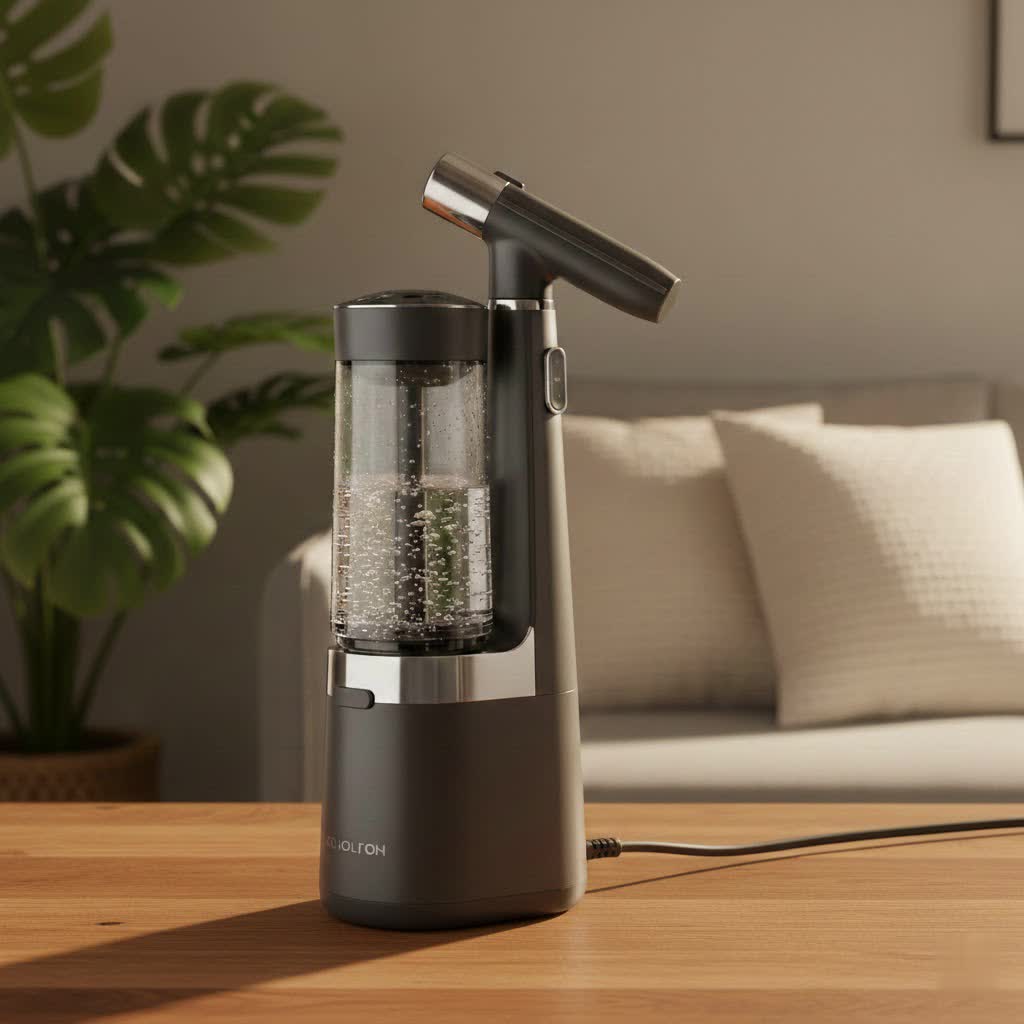
Imagine arriving at your destination, excited for an important meeting or a special event, only to pull out a favorite outfit riddled with unsightly wrinkles. Frustrating, isn’t it? A rumpled wardrobe can easily diminish your confidence and impact your overall travel experience. This is precisely where the best travel garment steamer becomes your indispensable companion, offering a swift and efficient solution to keep your clothes looking fresh and professional, no matter where your journey takes you. This comprehensive guide will navigate you through everything you need to know about selecting, using, and maintaining the perfect portable steamer for your travels.
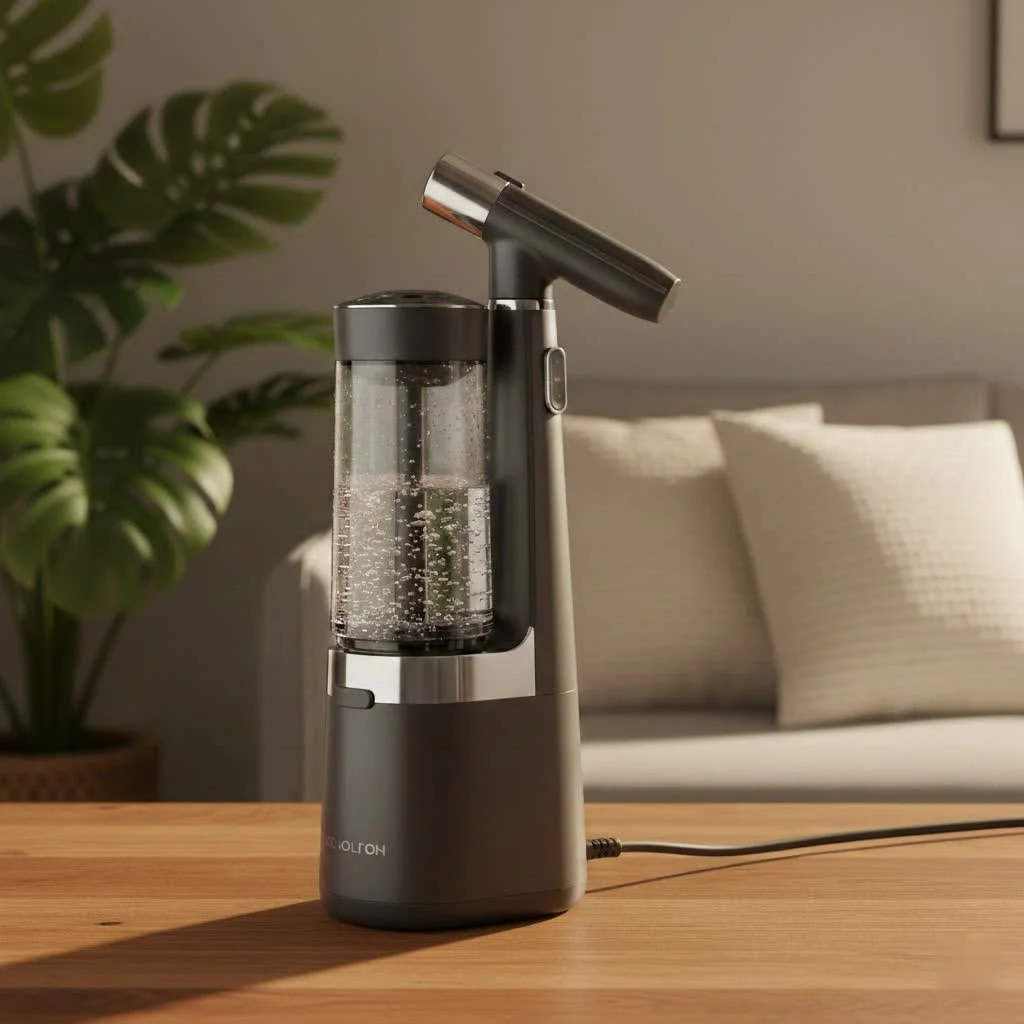
Garment Steamer: The Perfect Solution for Fresh Clothes On-the-Go
A travel garment steamer is a compact, handheld device designed to remove wrinkles from clothing using hot steam. Unlike traditional irons that rely on direct heat and pressure, steamers gently relax fabric fibers, making them ideal for delicate materials and quick touch-ups. For frequent travelers, business professionals, or anyone who values a polished appearance away from home, these portable powerhouses are a game-changer.
Benefits of a Travel Garment Steamer
Why should a travel garment steamer be a staple in your luggage? The advantages over conventional ironing are numerous and compelling.
Firstly, travel steamers are significantly gentler on fabrics than traditional irons. Irons apply direct heat and pressure, which can scorch delicate materials, create shine, or even damage fibers over time. Steamers, on the other hand, use diffused steam, safely de-wrinkling everything from silk and satin to wool and synthetics without direct contact. This protection extends the life of your garments and keeps them looking new.
Secondly, these devices are incredible time and effort savers. Who wants to spend precious travel time wrestling with an ironing board and a heavy iron? Travel steamers heat up rapidly, often in under a minute, allowing you to refresh an outfit in just a few minutes. Their ease of use means you can quickly de-wrinkle clothes right on the hanger, freeing up more time for exploring or relaxing.
Beyond wrinkle removal, a travel steamer can also refresh and sanitize your clothes. The hot steam effectively eliminates odors and can kill common bacteria, making it perfect for revitalizing garments worn once or stored in a suitcase. This benefit is particularly useful for delicate items that can’t be washed frequently while traveling.
Types of Garment Steamers
When it comes to portable options, the market primarily focuses on handheld models designed for convenience.
Handheld/Travel Garment Steamers: These are the most common type for travelers, prized for their compact size and lightweight design.
- Advantages: They are highly portable, easy to pack in a suitcase or carry-on, and ideal for quick touch-ups. Many models offer rapid heat-up times, making them ready to use in seconds. They are also generally more affordable than their upright counterparts.
- Disadvantages: Handheld steamers typically have smaller water tanks, requiring more frequent refills during extended steaming sessions. Their steam output might also be less powerful or continuous compared to larger models.
- Best for: Light travelers, business trips, last-minute touch-ups, and delicate fabrics.
While upright garment steamers offer larger water capacities and more powerful, continuous steam, they are generally too bulky and heavy for travel, making handheld versions the clear choice for life on the road.
Best Travel Garment Steamer Models: A Comparison Table
Choosing the “best” travel garment steamer depends on your specific needs, but several models consistently receive high marks for performance, portability, and features. Here’s a conceptual comparison of key features you’ll find across top handheld travel steamers:
| Feature | Compact/Budget-Friendly | Mid-Range Performer | Premium/Feature-Rich |
|---|---|---|---|
| Portability | Very lightweight, smallest form factor | Lightweight, often foldable | Moderate weight, often comes with travel bag |
| Heat-up Time | 45-60 seconds | 25-40 seconds | 20-30 seconds |
| Water Tank | Small (approx. 3-4 oz) | Medium (approx. 4-6 oz) | Larger (approx. 7-8 oz) |
| Steam Output | Good for light wrinkles | Strong, consistent | Very strong, penetrates thick fabrics |
| Dual Voltage | Less common, check specs | Often available | Usually standard |
| Leak-Proof | Basic design | Improved, generally reliable | Advanced, highly leak-proof |
| Continuous Steam | Shorter duration (4-6 mins) | Moderate duration (7-10 mins) | Longer duration (10-20 mins) |
| Key Features | On/Off button | Auto shut-off, some attachments | Multiple settings, iron/steamer combo, advanced accessories |
| Price Range | $20 – $40 | $40 – $80 | $80 – $150+ |
How to Choose the Best Travel Garment Steamer (Buying Guide)
Selecting the ideal travel garment steamer requires a thoughtful assessment of several factors to ensure it meets your specific demands on the go.
First, determine your usage needs. Are you a frequent international traveler who needs dual voltage capability, or do you mostly take domestic trips? Do you primarily steam delicate silks or heavier cotton blends? The type of fabrics you typically wear and how often you’ll use the steamer will guide your decision. For instance, if you often pack wrinkle-prone formal wear, a more powerful steamer with continuous steam might be a priority.
Portability and size are critical. Look for models that are lightweight and compact enough to fit easily into your luggage without adding significant bulk. Many excellent travel steamers feature foldable handles or a sleek design, minimizing their footprint. A steamer weighing less than 2 pounds is generally considered ideal for travel.
Power (Wattage) and steam output directly correlate to efficiency. Higher wattage (typically 1000-1500W for travel models) generally means quicker heat-up times and more powerful, consistent steam, which translates to faster and more effective wrinkle removal. While high wattage is good, prioritize models with strong and consistent steam output for the best results.
Consider the water tank capacity. Smaller tanks keep the steamer compact but require more frequent refills. A tank that offers 5-10 minutes of continuous steam is often sufficient for a few garments, striking a good balance between size and functionality for most travelers.
For international adventurers, dual voltage capability is non-negotiable. Different countries use different electrical voltages (e.g., 120V in North America, 220-240V in Europe and Asia). A dual voltage steamer, often with a manual switch, allows you to use your device safely worldwide with the appropriate plug adapter.
A quick heat-up time is a major convenience when you’re in a hurry. Look for models that are ready to steam in 30-60 seconds. This feature means less waiting and more time to enjoy your trip.
Invest in a steamer with a leak-proof design. Nothing is more frustrating than a steamer that spits hot water onto your clothes, potentially causing new stains. Reputable brands often incorporate anti-spill or leak-proof technology to ensure only steam comes out.
Finally, consider additional features and accessories. Some steamers come with fabric brushes for thicker materials, creaser attachments for sharp lines, or heat-resistant travel bags for immediate packing after use. Features like an auto shut-off add a layer of safety, turning off the device if it’s left unattended. Always research brand reputation and compare prices across various retailers to find a reliable steamer that fits your budget.
How to Use Your Travel Garment Steamer Effectively
Getting the most out of your travel garment steamer is straightforward with a few key steps.
Preparation is key: Start by filling the water tank with distilled water. This prevents mineral buildup, which can clog your steamer and reduce its lifespan and performance. Hang the garment you wish to steam on a hanger. Ensure it’s free-hanging, as this allows the steam to penetrate the fabric evenly.
When steaming, hold the fabric taut with one hand while holding the steamer head a few inches away with the other. Move the steamer slowly over the fabric, working from top to bottom. For tougher wrinkles, you can gently press the steamer head against the fabric, ensuring it doesn’t stay in one spot for too long. For delicate fabrics, maintain a slight distance.
Different fabrics benefit from specific techniques. For sturdy materials like cotton or linen, you can apply steam more directly. For synthetics or silks, a lighter, quicker pass is often sufficient. Always test on an inconspicuous area first, especially with new or delicate garments.
After steaming, allow the garment to air dry completely before wearing or packing it. This prevents new wrinkles from forming and ensures your clothes look their best. Also, allow your steamer to cool down completely before emptying any remaining water and storing it.
Common Problems and Solutions with Travel Garment Steamers
Even the best travel garment steamers can encounter occasional issues. Knowing how to troubleshoot them can save you time and frustration.
Problem: The steamer isn’t producing steam.
- Solution: First, ensure the water tank is filled to the appropriate level. Many steamers won’t produce steam if the water is too low. Check if the steamer has properly heated up; some models require a minute or more before they are ready. If using tap water, mineral buildup could be clogging the steam vents. Try descaling the unit (refer to your steamer’s manual for specific instructions, often involving a vinegar solution).
Problem: The steamer is leaking or spitting water.
- Solution: This is often caused by overfilling the water tank or tilting the steamer too much during use. Always fill the tank to the recommended maximum line and keep the steamer upright. Cold water can also cause spitting; allow the steamer to fully heat up before using it. Again, mineral buildup can sometimes contribute to erratic steam output and leaks.
Problem: Water marks on clothing.
- Solution: Water marks usually occur when the steamer sputters water rather than pure steam, or if the steam is too wet due to insufficient heat. Ensure you’re using distilled water to prevent mineral residue. Allow the steamer to fully preheat. If the problem persists, the steamer might need descaling. Some fabrics are more prone to water marks, so keep a greater distance or test on a hidden area.
Safety Tips for Using a Travel Garment Steamer
While travel garment steamers are generally safe, adhering to a few safety guidelines is crucial to prevent accidents and ensure the longevity of your device.
Always keep the steamer out of reach of children and pets. The hot steam can cause severe burns, and curious hands or paws could easily knock over the device.
Never use your steamer near water sources like sinks, bathtubs, or pools. Electricity and water are a dangerous combination, and doing so poses a risk of electric shock.
Avoid leaving the steamer unattended while it’s powered on. Many models have an auto shut-off feature, but it’s best practice to manually turn it off and unplug it when not in direct use. Continuous operation for extended periods can also cause overheating.
Be mindful of the hot steam. Always direct the steam away from yourself and others. Use the steamer on clothes that are hanging, ensuring there’s ample space around the garment to prevent steam from damaging nearby surfaces or causing burns.
Finally, ensure proper cool-down and storage. Allow the steamer to cool completely before emptying any remaining water, cleaning it, or packing it away. Store it in its designated travel bag, if provided, to protect it from damage and keep your luggage tidy.
Conclusion
Embracing the convenience of a travel garment steamer means saying goodbye to wrinkled clothes and hello to a polished appearance, no matter your destination. From quick touch-ups before a business meeting to refreshing your favorite dress for an evening out, these compact devices offer unparalleled ease and fabric care on the go. By considering factors like portability, steam output, water tank capacity, and crucial features like dual voltage, you can confidently select a model that perfectly suits your travel lifestyle. So, why let crumpled clothes detract from your next adventure?
What travel destinations are next on your list where a perfect wrinkle-free outfit will make all the difference?
Frequently Asked Questions
How does a travel garment steamer differ from a travel iron?
|
Our Picks for the Best Garment Steamer in 2026
As an Amazon Associate I earn from qualifying purchases.
|
||
| Num | Product | Action |
|---|---|---|
| 1 | Conair Handheld Garment Steamer for Clothes, Turbo ExtremeSteam 1875W Fabric Steamer, Portable Handheld Design, Strong Penetrating Steam, Amazon Exclusive, Black |

|
| 2 | OGHom Steamer for Clothes, Handheld Clothing Steamer for Garment, 240ml Big Capacity 700W Portable Travel Steam Iron (Blue) |
|
| 3 | HiLIFE Steamer for Clothes, Portable Handheld Clothing Steamer, 240ml Big Capacity, 700W, Strong Power, Fabric Quick Wrinkle Remover with Brush for Home, Office, Travel (ONLY 120V) -Blue |
|
| 4 | Rowenta Handheld Steamer for Clothes, Pure Force 2in1 Steamer & Iron, 1875W, Vertical/Horizonal Steaming & Ironing, Lightweight, Auto-off, XL power, 1875 Watts, DR8822 |
|
| 5 | Jack & Rose Travel Steamer for Clothes,100-220V Portable Iron,15s Heat Up,Steamer & Iron 2 In 1, Travel Size,Large Ceramic Heat Panel,for Global and Europe |
|
| 6 | Conair Turbo Extreme Steam Hand Held Fabric Steamer, GS59X, 1875W, 15 min, 7.3 oz, White/Champagne |
|
| 7 | HiLIFE Upgraded Steamer for Clothes, Handheld Portable Design, 1100W Powerful Steam, 300ml Larger Tank & No Leak Design, 30S Fast Heat-up, Quick Wrinkle Remover, Compact Size for Travel, ONLY 120V |
|
| 8 | Steamer for Clothes, 2-in-1 Portable Handheld Travel Steamer & Steam Iron, 1200W Powerful Wrinkle Remover, Smart Steam with 4 Modes, 10-Second Heat-Up, Perfect for Home & Travel. |
|
| 9 | Conair Handheld Garment Steamer for Clothes, Turbo ExtremeSteam 1875W Fabric Clothes Steamer, Portable Handheld Design, Strong Penetrating Steam, Blue |
|
| 10 | Riakrum Over-the-door Steaming Station 38" x 19" Clothes Steamer Station with Ironing Glove 100% Cotton Cover with an Aluminum Vapor Protection Layer for Home and Travel Use |
|
A travel garment steamer uses hot steam to relax fabric fibers and remove wrinkles without direct contact, making it gentler on delicate materials. A travel iron, conversely, uses heat and pressure from a hot plate to press out creases, often more effective for crisp lines and thicker fabrics, but carries a higher risk of scorching.
Can I use tap water in my travel steamer?
While some manufacturers claim their steamers can handle tap water, it is highly recommended to use distilled water. Tap water contains minerals that can build up over time, clogging the steamer’s internal components, reducing its efficiency, and potentially leaving mineral residue on your clothes.
How long does a travel garment steamer take to heat up?
Most modern travel garment steamers boast rapid heat-up times, typically ranging from 20 to 60 seconds. This quick readiness is a significant advantage for travelers who need fast touch-ups on their garments.
Is dual voltage important for a travel steamer?
Yes, dual voltage is extremely important for international travel. Different countries use different electrical voltages (e.g., 120V in North America, 220-240V in Europe and Asia). A dual voltage steamer can safely operate in both ranges with a simple switch or automatic detection, provided you have the correct plug adapter.
Can a travel steamer remove all wrinkles, even stubborn ones?
Travel steamers are excellent for refreshing clothes and removing most common wrinkles. However, for deep-set creases or very thick fabrics like denim, a traditional iron might be more effective. Some hybrid steamer-iron models offer the best of both worlds.
How do I clean and maintain my travel garment steamer?
To clean your steamer, periodically descale it by running a solution of equal parts white vinegar and distilled water through the unit, then follow with a plain distilled water rinse. Always empty the water tank after each use and allow the unit to cool before storing to prevent mineral buildup and mold.
Get our weekly buyer guide
Practical specs, not advice. Unsubscribe anytime.
