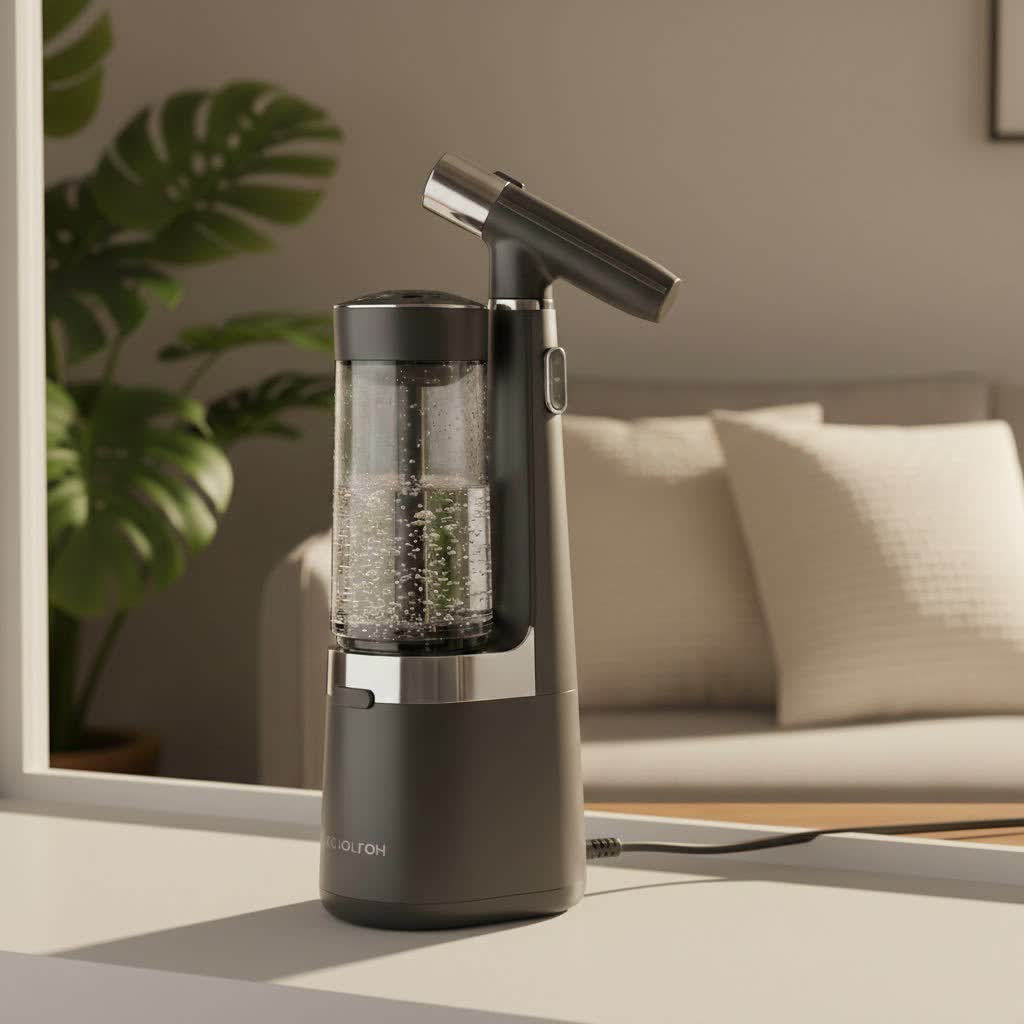
For businesses managing high volumes of textiles, such as garment manufacturers, dry cleaners, or large retail operations, efficient and effective fabric care is paramount. Industrial garment steamers are specialized tools designed to meet these demanding needs, offering superior performance compared to their domestic counterparts. With robust construction and powerful steam output, these machines are indispensable for maintaining the pristine condition of clothing and fabrics at scale.
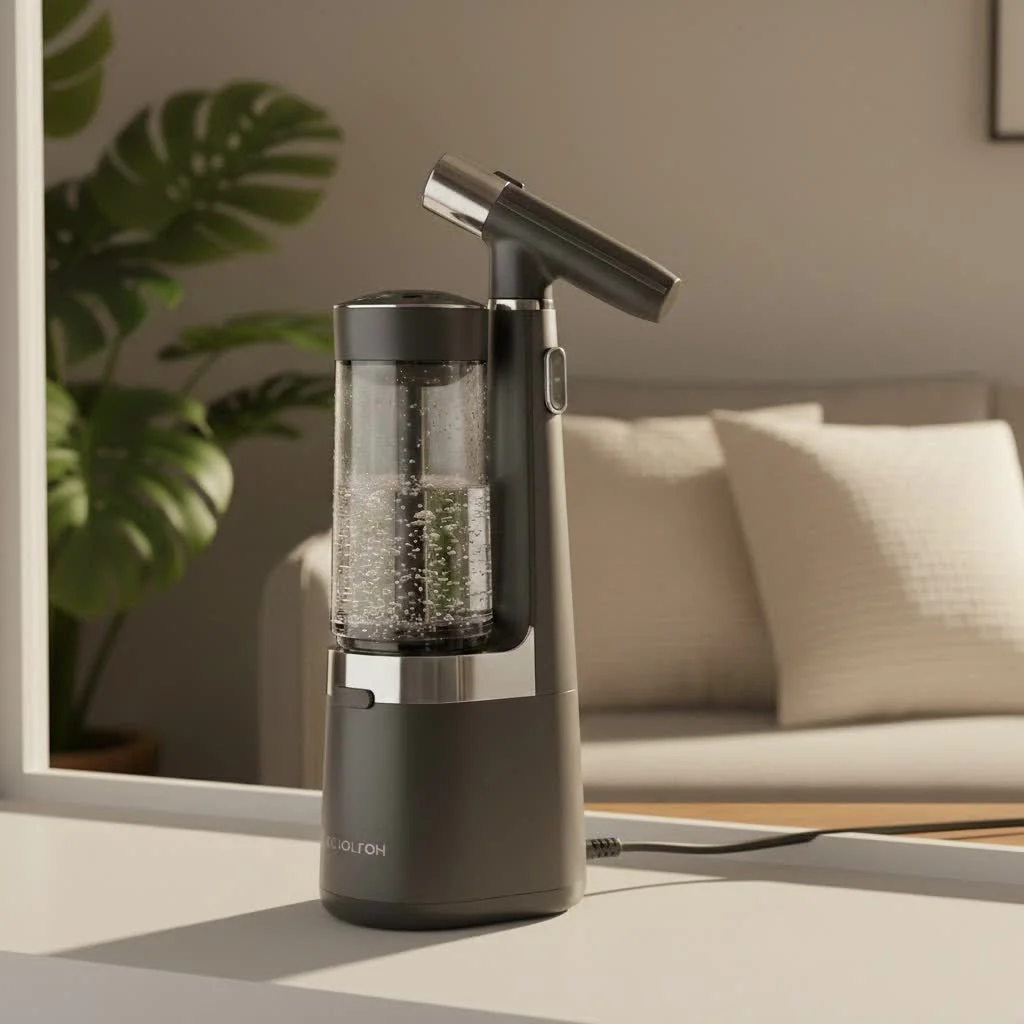
The Unmatched Advantages of Industrial Garment Steamers
Industrial garment steamers offer a multitude of benefits that elevate fabric care beyond traditional methods, proving to be a game-changer for businesses.
Enhanced Efficiency and Productivity
Unlike conventional irons that require an ironing board and meticulous handwork, industrial steamers provide rapid, continuous wrinkle removal. Their powerful steam output ensures that large quantities of garments can be processed quickly, significantly boosting operational efficiency and productivity for high-volume environments like laundromats or manufacturing plants.
Superior Fabric Care and Longevity
Industrial steamers are exceptionally gentle on a wide range of fabrics, from delicate silks and satins to sturdy wools and cottons. The non-contact application of steam relaxes fabric fibers, removing wrinkles without the risk of scorching, burning, or crushing textures often associated with direct heat and pressure from an iron. This gentle treatment helps preserve the natural drape, color vibrancy, and overall integrity of garments, extending their lifespan.
Advanced Hygiene and Odor Elimination
Beyond wrinkle removal, steam boasts significant sanitizing capabilities. The high temperature of the steam penetrates deep into fabric fibers, effectively eliminating up to 99.9% of bacteria, dust mites, and allergens. This process also neutralizes unpleasant odors, such as those lingering from manufacturing or daily wear, leaving garments refreshed and hygienic – a critical benefit for clothing manufacturing and retail.
Versatility Across Materials and Applications
Industrial garment steamers are not limited to just clothing. Their versatility extends to a variety of textiles and applications within commercial settings. They can be used to freshen curtains, drapes, upholstery, and even sanitize mattresses, making them a multi-purpose tool for textile maintenance. In garment manufacturing, steam is integral for processes beyond de-wrinkling, including consistent dyeing, logo transfers, pre-shrinking, and shaping fabrics.
Cost-Effectiveness in the Long Run
While the initial investment in an industrial steamer might be higher than a domestic unit, the long-term cost savings are substantial. By protecting fabrics from damage, reducing the need for costly dry cleaning, and speeding up processing times, these machines contribute to lower operational expenses and improved profitability for businesses. Energy-efficient industrial boilers, for instance, can help manage the significant costs associated with producing large volumes of steam for manufacturing.
Types of Industrial Garment Steamers
Understanding the different categories of industrial garment steamers is crucial for selecting the right equipment for specific business needs.
Heavy-Duty Floor Model Steamers
|
Our Picks for the Best Garment Steamer in 2026
As an Amazon Associate I earn from qualifying purchases.
|
||
| Num | Product | Action |
|---|---|---|
| 1 | Steamer for Clothes, 2-in-1 Portable Handheld Travel Steamer & Steam Iron, 1200W Powerful Wrinkle Remover, Smart Steam with 4 Modes, 10-Second Heat-Up, Perfect for Home & Travel. |

|
| 2 | Rowenta Handheld Steamer for Clothes, Pure Force 2in1 Steamer & Iron, 1875W, Vertical/Horizonal Steaming & Ironing, Lightweight, Auto-off, XL power, 1875 Watts, DR8822 |
|
| 3 | Jack & Rose Travel Steamer for Clothes,100-220V Portable Iron,15s Heat Up,Steamer & Iron 2 In 1, Travel Size,Large Ceramic Heat Panel,for Global and Europe |
|
| 4 | Conair Handheld Garment Steamer for Clothes, Turbo ExtremeSteam 1875W Fabric Steamer, Portable Handheld Design, Strong Penetrating Steam, Amazon Exclusive, Black |
|
| 5 | Riakrum Over-the-door Steaming Station 38" x 19" Clothes Steamer Station with Ironing Glove 100% Cotton Cover with an Aluminum Vapor Protection Layer for Home and Travel Use |
|
| 6 | Conair Turbo Extreme Steam Hand Held Fabric Steamer, GS59X, 1875W, 15 min, 7.3 oz, White/Champagne |
|
| 7 | Conair Handheld Garment Steamer for Clothes, Turbo ExtremeSteam 1875W Fabric Clothes Steamer, Portable Handheld Design, Strong Penetrating Steam, Blue |
|
| 8 | HiLIFE Steamer for Clothes, Portable Handheld Clothing Steamer, 240ml Big Capacity, 700W, Strong Power, Fabric Quick Wrinkle Remover with Brush for Home, Office, Travel (ONLY 120V) -Blue |
|
| 9 | OGHom Steamer for Clothes, Handheld Clothing Steamer for Garment, 240ml Big Capacity 700W Portable Travel Steam Iron (Blue) |
|
| 10 | HiLIFE Upgraded Steamer for Clothes, Handheld Portable Design, 1100W Powerful Steam, 300ml Larger Tank & No Leak Design, 30S Fast Heat-up, Quick Wrinkle Remover, Compact Size for Travel, ONLY 120V |
|
These are the titans of garment steaming, typically found in dry cleaning facilities, large retail backrooms, and garment manufacturing plants. They are robust, stationary units designed for continuous, high-volume operation. These models feature large water tanks, powerful heating elements, and durable construction, often including industrial-grade boilers to generate the immense amount of steam required for large-scale production or processing.
Mid-Sized Commercial Units
Bridging the gap between domestic and heavy-duty industrial models, these units are suitable for smaller commercial environments like tailoring shops, boutiques, or costume departments. They offer greater steam output and durability than home steamers but are more compact and sometimes portable than full-scale industrial floor models. They provide a balance of performance and footprint.
Key Features to Consider When Choosing an Industrial Garment Steamer
Selecting the right industrial garment steamer involves evaluating several critical features to ensure it aligns with your operational requirements.
Power and Steam Output
For industrial applications, high power (wattage) and steam output are paramount. Look for models with wattage typically ranging from 1800W to over 2000W, which ensures rapid heat-up times and a consistent, powerful steam flow. Steam output, often measured in grams per minute (g/min), should ideally be 700 g/min or more for high-volume operations to quickly and effectively remove wrinkles from numerous garments.
Water Tank Capacity and Run Time
A large water tank is essential for continuous operation without frequent refills, a key factor in industrial settings. Tanks with capacities of 2.7 to 3 liters or more can provide upwards of 90 minutes of continuous steaming, allowing for efficient processing of many items in a single session.
Durability and Construction Materials
Industrial environments demand equipment that can withstand rigorous, daily use. Steamers built with heavy-duty materials like stainless steel components and robust casings are indicators of a durable product designed for longevity and reliability under strenuous conditions.
Temperature and Steam Control
The ability to adjust steam intensity and temperature is vital for working with diverse fabric types, from delicate silks that require gentle steam to heavy wools needing a more powerful burst. Precise controls prevent fabric damage and ensure optimal results across your inventory.
Safety Features
Safety cannot be overlooked. Essential features include overheat protection, automatic shut-off functions, and securely designed steam nozzles to prevent accidents in a busy commercial environment.
Mobility vs. Stationary Design
Consider your workspace and operational flow. Industrial laundries or manufacturing plants often require stationary, high-capacity units integrated into a production line. In contrast, larger retail stores or event spaces might benefit from more compact, portable commercial models that offer flexibility in usage across different areas.
Attachments and Accessories
Useful attachments like fabric brushes, lint removers, and crease tools enhance the steamer’s versatility, allowing for specialized care and finishing touches on various garments and textiles.
Top Industrial Garment Steamer Models
While specific model availability can vary, several brands are recognized for producing high-quality commercial and industrial garment steamers:
- Jiffy Steamers (e.g., J-2000M Series): Jiffy has a long-standing reputation in the professional garment care industry, known for durable and reliable floor models.
- SALAV X3A Heavy Duty Commercial Full-Size Garment Steamer: Noted for its 1,800 watts of continuous steam and a 3-liter removable water tank, offering over 90 minutes of steaming.
- ADVWIN 2000W Garment Steamer: Features 10 adjustable steam levels, quick 30-second heat-up, and a 2.7-liter tank for 90 minutes of continuous steam.
- True & Tidy Pro Commercial Garment Steamer: Offers a large 2.9-liter water tank for extended steaming sessions.
These models typically emphasize high steam output, robust build quality, and large water capacities, essential for continuous commercial use.
Mastering the Industrial Garment Steamer: Usage and Maintenance
To maximize the efficiency and lifespan of your industrial garment steamer, proper usage and diligent maintenance are key.
Effective Usage Techniques
Before steaming, ensure the water tank is filled with distilled water to prevent mineral buildup. Hang the garment on a sturdy hanger. For best results, gently pull the fabric taut with one hand and apply the steam nozzle with the other, moving from top to bottom. Overlapping strokes ensure even steaming. For delicate fabrics, hold the nozzle slightly further away.
Essential Maintenance and Troubleshooting
Regular maintenance is crucial. Periodically descale your steamer according to the manufacturer’s instructions to prevent mineral deposits from clogging the system and impacting performance. After each use, empty the water tank to prevent stagnant water and bacteria growth.
Common issues include:
- No steam output: Check water level, ensure proper heat-up time, and inspect for blockages from mineral buildup.
- Water leakage: Verify all connections are tight and the water tank is correctly seated. This can also indicate overfilling.
- Clogged nozzle: Descaling can resolve blockages caused by mineral deposits.
Safety First: Important Considerations
Industrial steamers produce powerful, hot steam that requires careful handling. Always keep the machine out of reach of children and avoid using it near standing water. Never operate a damaged unit. Ensure proper ventilation in the work area, and always unplug the steamer before refilling the water tank or performing maintenance. Adhering to these safety guidelines protects both the user and the equipment.
Conclusion
Industrial garment steamers are an invaluable asset for any business requiring high-efficiency, professional fabric care. Their ability to quickly remove wrinkles, sanitize, and refresh garments while protecting fabric integrity makes them a superior choice over traditional ironing methods for high-volume environments. By understanding the types, key features, and proper usage of these powerful machines, businesses can make an informed decision, leading to enhanced productivity, improved garment quality, and significant long-term savings.
What critical demands does your business face that an industrial garment steamer could address?
Frequently Asked Questions
What is the primary difference between commercial and industrial garment steamers?
While often used interchangeably, “industrial” generally refers to heavy-duty, large-scale applications like garment manufacturing plants that may require industrial boilers for continuous steam, whereas “commercial” can encompass a broader range of professional uses, including dry cleaners, retail, and tailoring, which may use floor models or heavy-duty upright steamers designed for high volume but perhaps not the same scale as manufacturing.
How long do industrial garment steamers typically last?
With proper maintenance, including regular descaling and using distilled water, a high-quality industrial garment steamer can last for many years, often exceeding 5-10 years in commercial settings. Their durable construction is designed for longevity.
Is specialized water needed for industrial garment steamers?
Yes, using distilled or demineralized water is highly recommended. Tap water contains minerals that can build up over time, leading to clogging, reduced steam output, and damage to the heating element.
Get our weekly buyer guide
Practical specs, not advice. Unsubscribe anytime.
