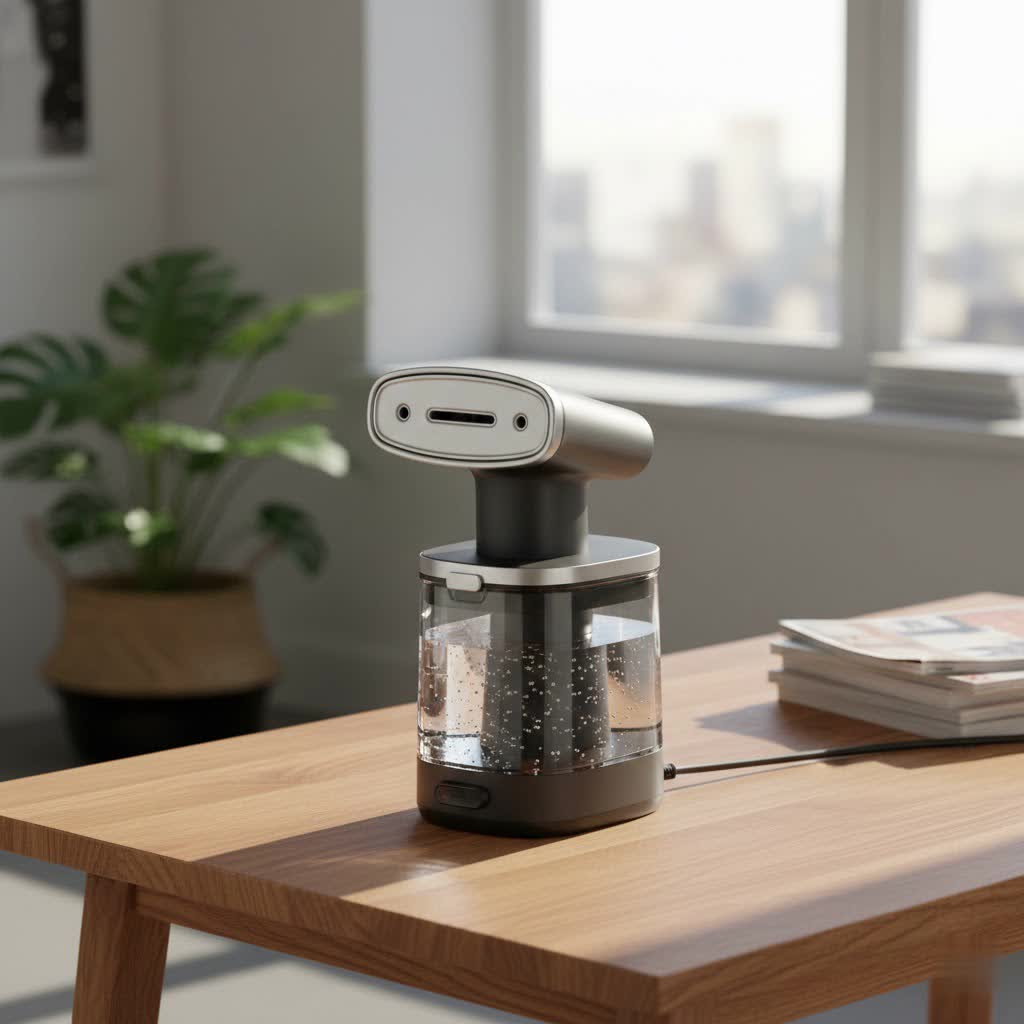
Tired of battling stubborn wrinkles with a traditional iron, or struggling with handheld steamers that run out of steam too quickly? The standing garment steamer has revolutionized garment care, offering a powerful, efficient, and fabric-friendly solution for keeping your wardrobe pristine. Designed for continuous performance and ease of use, an upright steamer is an indispensable tool for anyone seeking a professional finish without the fuss.
The Unmatched Advantages of a Standing Garment Steamer
Standing garment steamers, also known as upright or vertical steamers, are not just an alternative to ironing; they offer a superior garment care experience in many aspects. Their design and functionality provide distinct benefits that make them a favorite for both everyday use and special fabric care.
Gentle on Fabrics, Tough on Wrinkles
Unlike the direct heat and pressure of an iron, standing steamers utilize hot steam to relax fabric fibers, effectively releasing wrinkles without causing damage. This gentle method is particularly beneficial for delicate materials such as silk, chiffon, lace, wool, and synthetics that are prone to scorching, shining, or crushing under an iron’s soleplate. The steam penetrates deep into the fabric, smoothing creases while preserving the natural drape and texture of your garments, thus extending their longevity.
Time-Saving and Effortless
Imagine de-wrinkling a suit, a long dress, or an entire week’s wardrobe in a fraction of the time it takes with an iron. Standing garment steamers heat up quickly, often within minutes, and provide a continuous flow of powerful steam, allowing you to tackle multiple items without constant refills. The upright design means no ironing board is required; simply hang your garment and glide the steam nozzle over the fabric. This eliminates the tedious setup and the physical strain associated with traditional ironing, making your routine much faster and more enjoyable.
Odor Removal and Sanitization
Beyond smoothing wrinkles, the hot steam emitted by a standing garment steamer offers significant sanitizing and deodorizing benefits. As the steam permeates fabric fibers, it helps to eliminate bacteria, dust mites, and allergens, refreshing clothes between washes and reducing odors caused by wear or storage. This feature is particularly useful for items that are difficult to wash regularly, like coats, blazers, and upholstery, providing a hygienic refresh without harsh chemicals.
Versatility Beyond Clothes
A standing garment steamer is a multi-purpose tool that extends its utility far beyond your clothing. Its powerful and continuous steam can be used to refresh and de-wrinkle curtains, drapes, tablecloths, bed linens, and even upholstered furniture. The ability to handle large and irregularly shaped items makes it an incredibly versatile appliance for maintaining a fresh and tidy home environment.
Standing Steamer vs. Handheld vs. Traditional Iron: Choosing Your Weapon Against Wrinkles
Understanding the differences between various garment care tools is key to selecting the best fit for your lifestyle. While all aim to remove wrinkles, their strengths lie in different applications.
The Standing Garment Steamer: The Home Workhorse
|
Our Picks for the Best Garment Steamer in 2026
As an Amazon Associate I earn from qualifying purchases.
|
||
| Num | Product | Action |
|---|---|---|
| 1 | Jack & Rose Travel Steamer for Clothes,100-220V Portable Iron,15s Heat Up,Steamer & Iron 2 In 1, Travel Size,Large Ceramic Heat Panel,for Global and Europe |

|
| 2 | OGHom Steamer for Clothes, Handheld Clothing Steamer for Garment, 240ml Big Capacity 700W Portable Travel Steam Iron (Blue) |
|
| 3 | Conair Turbo Extreme Steam Hand Held Fabric Steamer, GS59X, 1875W, 15 min, 7.3 oz, White/Champagne |
|
| 4 | HiLIFE Steamer for Clothes, Portable Handheld Clothing Steamer, 240ml Big Capacity, 700W, Strong Power, Fabric Quick Wrinkle Remover with Brush for Home, Office, Travel (ONLY 120V) -Blue |
|
| 5 | Conair Handheld Garment Steamer for Clothes, Turbo ExtremeSteam 1875W Fabric Clothes Steamer, Portable Handheld Design, Strong Penetrating Steam, Blue |
|
| 6 | Riakrum Over-the-door Steaming Station 38" x 19" Clothes Steamer Station with Ironing Glove 100% Cotton Cover with an Aluminum Vapor Protection Layer for Home and Travel Use |
|
| 7 | HiLIFE Upgraded Steamer for Clothes, Handheld Portable Design, 1100W Powerful Steam, 300ml Larger Tank & No Leak Design, 30S Fast Heat-up, Quick Wrinkle Remover, Compact Size for Travel, ONLY 120V |
|
| 8 | Rowenta Handheld Steamer for Clothes, Pure Force 2in1 Steamer & Iron, 1875W, Vertical/Horizonal Steaming & Ironing, Lightweight, Auto-off, XL power, 1875 Watts, DR8822 |
|
| 9 | Steamer for Clothes, 2-in-1 Portable Handheld Travel Steamer & Steam Iron, 1200W Powerful Wrinkle Remover, Smart Steam with 4 Modes, 10-Second Heat-Up, Perfect for Home & Travel. |
|
| 10 | Conair Handheld Garment Steamer for Clothes, Turbo ExtremeSteam 1875W Fabric Steamer, Portable Handheld Design, Strong Penetrating Steam, Amazon Exclusive, Black |
|
Standing garment steamers are designed for robust, continuous use, making them ideal for households with a substantial wardrobe or those who frequently steam multiple items. They feature large water tanks, providing extended steaming sessions (often an hour or more) without the need for frequent refills. With adjustable poles and built-in garment hangers, they offer an ergonomic experience for vertical steaming. Many models come with various attachments, such as fabric brushes and crease tools, enhancing their versatility for different materials and garment sections. If you prioritize power, capacity, and ease of use for regular, heavy-duty steaming, a standing model is your best investment.
The Handheld Steamer: The Portable Pal
Handheld steamers are compact, lightweight, and perfect for quick touch-ups, travel, or small living spaces. Their smaller water tanks mean shorter continuous steaming times, but their portability is unmatched. They heat up rapidly and are excellent for tackling a few wrinkles before heading out the door or refreshing clothes on a trip. While convenient, they typically offer less steam power and sustained performance compared to their standing counterparts.
The Traditional Iron: For Crisp Perfection
Despite the rise of steamers, the traditional iron still holds its place, particularly for achieving sharp creases and a very crisp, flat finish. Irons are better suited for heavy, structured fabrics like thick cotton, linen, and denim, where the combination of heat and direct pressure can effectively flatten stubborn wrinkles and create defined lines. However, irons can be more aggressive on delicate fabrics and require an ironing board, which takes up additional space and time for setup.
Choosing the Best Standing Garment Steamer: Your Comprehensive Buying Guide
Selecting the right standing garment steamer involves considering several factors to match your specific needs and ensure optimal performance.
Power and Steam Output
The wattage of a steamer (typically ranging from 1500W to 1800W or higher) directly correlates to its steam output and heating speed. Higher wattage generally means more powerful and consistent steam, which is crucial for tackling heavier fabrics and stubborn wrinkles efficiently. Look for models with strong continuous steam and quick heat-up times for the best results.
Water Tank Capacity and Continuous Steam Time
A larger water tank allows for longer continuous steaming sessions, reducing the need for frequent refills. Capacities can range from 1.5 liters to over 2.5 liters, providing anywhere from 45 minutes to over an hour of steam. Consider your typical usage: if you frequently steam many items or large textiles, a larger tank will be more convenient.
Heat-Up Time
Nobody likes waiting. A fast heat-up time (ideally under 60 seconds) is a significant advantage, especially for those quick morning touch-ups.
Features and Accessories
Modern standing steamers come with a host of features to enhance usability:
- Adjustable Steam Settings: Different fabrics require varying steam levels. Multiple settings allow for tailored garment care.
- Built-in Hanger/Pole: Essential for vertical steaming, some offer telescopic poles for adjustable height.
- Attachments: Fabric brushes, lint removers, creasing tools, and protective gloves can greatly expand the steamer’s versatility.
- Auto Shut-off: A vital safety feature that turns off the unit when the water tank is empty or if it overheats.
- Anti-drip System: Prevents water stains on your clothes.
- Wheels: For easy mobility, especially with larger units.
- StyleBoard/Press Pad: Some advanced models include a board for a more structured steaming experience, blending steamer convenience with some iron-like pressing capabilities.
Brand Reputation and Reviews
Reputable brands like Jiffy, Rowenta, Salav, Pure Enrichment, and Conair are known for their quality and durability. Always check user reviews for insights into real-world performance, common issues, and customer satisfaction.
Price
Standing garment steamers vary widely in price, from budget-friendly options to professional-grade models. Determine your budget and balance it with the features and performance you need. Remember that investing in a higher-quality model can often lead to greater longevity and better results.
How to Effectively Use Your Standing Garment Steamer
Mastering your standing garment steamer is simple with a few key techniques.
Preparation
- Fill the Water Tank: Always use cold, distilled water to prevent mineral buildup, which can prolong your steamer’s life and avoid water spots on clothes.
- Hang Your Garment: Place the item on a sturdy hanger on the steamer’s built-in pole or a secure spot where it can hang freely.
- Heat Up: Plug in the steamer and allow it to heat up completely. Most units have an indicator light that signals when it’s ready to produce steam.
Steaming Technique
- Stretch the Fabric: Use your free hand to gently pull the bottom of the garment taut. This creates a flat surface for the steam to work on and helps to stretch out wrinkles more effectively.
- Glide the Nozzle: Hold the steamer nozzle about an inch from the fabric (or directly against it if your steamer plate is safe for all fabrics, as some Philips models are). Move the nozzle in slow, vertical strokes from top to bottom. The steam will penetrate the fibers, causing them to relax and smooth out.
- Work in Sections: Tackle one section of the garment at a time, moving around the item until all wrinkles are gone. For sleeves, you might need to steam both sides.
- Collars and Cuffs: For more structured areas like collars, cuffs, and plackets, some standing steamers offer attachments or a style board that provides a flat surface, allowing for easier horizontal steaming to achieve a crisp finish.
Post-Steaming Care
After steaming, allow your garment to air dry for 5-10 minutes before wearing or putting it away. This helps the fabric to set and prevents re-wrinkling.
Troubleshooting Common Steamer Issues
Even the most reliable steamers can occasionally encounter minor hiccups. Here’s how to address them:
- No Steam: Check if the water tank is full, the steamer is plugged in, and the heat-up time has elapsed. A kink in the hose can also block steam flow, so ensure it’s straight.
- Water Dripping: This can happen if the steamer head is tilted too much or if water has condensed in the hose. Hold the nozzle upright, and allow any condensed water to drain back into the tank. Using distilled water can also minimize this.
- Mineral Buildup: Over time, tap water can lead to mineral deposits (limescale) that can affect performance. Regularly descaling your steamer with a vinegar solution (as per manufacturer instructions) will maintain optimal steam output.
Essential Safety Precautions When Using a Standing Garment Steamer
Your safety is paramount. Always observe these precautions:
- Keep Away from Children and Pets: The hot steam and components can cause burns.
- Use in a Well-Ventilated Area: Steam can increase humidity.
- Never Point Steam at Yourself or Others: Hot steam can cause severe burns.
- Do Not Overfill the Water Tank: This can lead to leaks or sputtering.
- Unplug When Not in Use: Always disconnect the steamer from the power outlet when refilling or when you’re finished.
- Do Not Use Near Water Sources: Avoid using the steamer near sinks, bathtubs, or other water bodies.
> “A standing garment steamer isn’t just a convenience; it’s a game-changer for fabric care, offering a gentle yet powerful way to refresh and de-wrinkle your clothes, extending their life and keeping them looking their best.” – Admin, reviewdekh.com
Conclusion
The standing garment steamer is an indispensable appliance for modern households, offering a powerful, gentle, and efficient way to maintain a wrinkle-free and fresh wardrobe. From delicate silks to heavy draperies, its continuous steam output and user-friendly design make garment care a breeze, saving you time and protecting your most cherished fabrics. By understanding its benefits, knowing what to look for, and following proper usage techniques, you can unlock the full potential of this versatile tool.
Are you ready to transform your garment care routine and experience the effortless elegance of perfectly steamed clothes?
Frequently Asked Questions
What fabrics are best suited for a standing garment steamer?
Standing garment steamers are excellent for most fabrics, especially delicate ones like silk, chiffon, lace, wool, and synthetics that can be damaged by direct heat. They also work wonders on cotton, linen, and blends for quick wrinkle removal and refreshing.
How often should I descale my standing garment steamer?
The frequency of descaling depends on your water hardness and how often you use the steamer. If you use tap water, descaling every few months or when you notice reduced steam output is recommended. Always use distilled water to minimize mineral buildup.
Can a standing garment steamer replace a traditional iron entirely?
While a standing garment steamer can handle the majority of your de-wrinkling needs and is gentler on many fabrics, it may not entirely replace an iron if you frequently require razor-sharp creases for formal wear or very stiff finishes on heavy fabrics like dress shirts and trousers. Many find a steamer to be a perfect complement to an iron.
Get our weekly buyer guide
Practical specs, not advice. Unsubscribe anytime.
